
Introduction
Hibiscus, a plant known for its beautiful flowers, is often associated with the tropics. However, this ornamental plant has been widely cultivated in Europe and can thrive in various conditions. In this article, we will explore the world of Hibiscus, discussing its origins, cultivation, care, and benefits.
The Plant
Hibiscus is an evergreen shrub that can grow up to 3 meters tall. Its leaves are dark green, with a three-lobed shape and a serrated margin. The flowers are showy, measuring up to 30 cm in diameter, with a variety of colors including pink, white, and red.
Types of Hibiscus
There are several varieties of Hibiscus, including those with double or triple flowers. Some popular types include the ‘Raspberry Sundae’ and ‘Blue Hawaii’, which are known for their unique color patterns. Other popular varieties include ‘Tropical Sunset’, ‘Pink Velvet’, and ‘White Swan’.
Cultivation
Hibiscus is a versatile plant that can thrive in various conditions. However, it requires full sun to partial shade and well-draining soil. It is essential to provide regular watering and fertilization to promote healthy growth. In colder climates, Hibiscus may need to be protected from frost or grown indoors.
Potting and Pruning
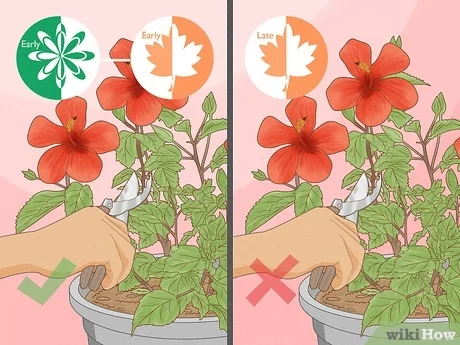
Hibiscus can be grown in pots or directly in the ground. When potting, it’s recommended to use a well-draining mix and a container with good air circulation. Pruning is essential to maintain the plant’s shape and promote new growth. It’s best to prune after blooming, removing any dead or damaged leaves and stems.
Propagation
Hibiscus can be propagated through seeds or cuttings. Seeds are available for purchase online or at local nurseries, while cuttings can be taken from mature plants during the spring and summer months. Cuttings should be taken from healthy, vigorous growth and rooted in a moist potting mix.
Pests and Diseases
While Hibiscus is generally resistant to pests and diseases, it can still be susceptible to certain issues. Aphids, whiteflies, and mealybugs can be problematic, as well as fungal infections such as powdery mildew and root rot. Regular monitoring and prompt treatment are essential to prevent these problems.
Benefits of Hibiscus
Hibiscus has been used for centuries in traditional medicine for its various health benefits. The plant is rich in vitamins, minerals, and antioxidants, making it an excellent addition to a healthy diet. Some of the benefits of Hibiscus include:
- Reducing Blood Pressure: Hibiscus tea has been shown to help lower blood pressure in people with hypertension.
- Improving Digestion: Hibiscus is rich in dietary fiber, which can help promote digestive health and prevent constipation.
- Boosting Immune System: Hibiscus contains flavonoids and other compounds that have antimicrobial properties, which can help boost the immune system.
- Reducing Inflammation: Hibiscus has anti-inflammatory properties, which can help reduce inflammation and alleviate symptoms of conditions such as arthritis.
Conclusion
In conclusion, Hibiscus is a stunning and versatile plant that can add beauty and charm to any garden or indoor space. With proper care and attention, it can thrive in various conditions and provide numerous benefits for both body and soul.
Frequently Asked Questions (FAQs)
- How do I care for my Hibiscus plant?
To keep your Hibiscus plant healthy and thriving, make sure to provide regular watering, fertilization, and pruning. Also, ensure it receives full sun to partial shade and well-draining soil.
- Can I grow Hibiscus indoors?
Yes, Hibiscus can be grown indoors with proper care. Provide it with sufficient light, water, and fertilization, and keep the temperature between 65-75°F (18-24°C).
- How often should I prune my Hibiscus plant?
Prune your Hibiscus plant after blooming to maintain its shape and promote new growth. Remove any dead or damaged leaves and stems, and trim back overgrown branches.
- What are the benefits of Hibiscus for health?
Hibiscus is rich in vitamins, minerals, and antioxidants, making it an excellent addition to a healthy diet. It has been used traditionally for various health benefits, including reducing blood pressure and improving digestion.
- Can I grow Hibiscus from seed?
Yes, you can grow Hibiscus from seed. Sow the seeds indoors in a well-draining mix, keeping the soil warm and moist until germination.
- How do I protect my Hibiscus plant from pests and diseases?
To prevent pests and diseases, ensure good air circulation around your Hibiscus plant, remove any dead or damaged leaves and stems, and treat any infestations promptly with insecticidal soap or neem oil.
- Can I use Hibiscus as a natural remedy?
Yes, Hibiscus has been used traditionally for various health benefits, including reducing blood pressure and improving digestion. However, consult with a healthcare professional before using it as a treatment for any medical condition.
- How long does it take for Hibiscus to bloom?
Hibiscus typically blooms within 6-12 months after planting, depending on factors such as climate, soil quality, and care.
Additional Tips and Tricks
- Deadheading: Remove spent flowers to encourage new growth and prevent seed production.
- Staking: Provide support for tall varieties to prevent them from toppling over in the wind.
- Mulching: Mulch around the base of the plant to retain moisture and suppress weeds.
- Pest control: Regularly inspect your plants for pests and diseases, and treat promptly if necessary.
By following these tips and tricks, you can enjoy the beauty and benefits of Hibiscus in your own home or garden.


