
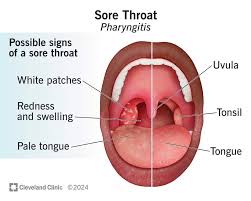
An irritated throat, also known as pharyngitis, is a common condition characterized by discomfort or pain in the throat. This condition typically resolves on its own within a few days without leaving any lasting issues.
Why is it Important to Understand the Causes of an Irritated Throat?
To determine the best course of treatment for an irritated throat, it’s essential to understand the underlying causes. In most cases, the irritation is caused by minor illnesses such as a cold or flu, and can be treated at home.
Common Causes of An Irritated Throat:
- Viral infections: Cold, flu, mononucleosis (mono)
- Bacterial infections: Strep throat
- Allergies: Seasonal allergies, sinusitis
- Environmental factors: Smoking, pollution, dust
Symptoms of an Irritated Throat:
Common symptoms include soreness or pain in the throat, difficulty swallowing, hoarseness, redness or swelling in the throat.
What are Some Common Treatments for an Irritated Throat?
- Medications: Over-the-counter pain relievers like ibuprofen or paracetamol can help alleviate symptoms.
- Hydration: Drinking plenty of fresh liquids can help soothe the throat. However, avoid hot beverages that can irritate the throat further.
- Soft foods: Eating soft, gentle foods can reduce discomfort and promote healing.
- Avoiding irritants: Staying away from smoke, loud noises, or other potential irritants can help alleviate symptoms.
Home Remedies for an Irritated Throat:
Some effective home remedies include:
- Gargling with salt water: Dissolving a teaspoon of salt in warm water can help reduce inflammation and kill bacteria.
- Sucking on ice pops or candy: The cold temperature can numb the throat and provide temporary relief.
- Drinking tea: Warm liquids like tea, broth, or soup can help soothe the throat.
When to Consult a Doctor:
While an irritated throat is usually not serious, it’s essential to consult a doctor if symptoms persist or worsen over time. If you have a weakened immune system due to HIV, chemotherapy treatment, or other medications that suppress your immune system, seek medical attention immediately. In severe cases, such as difficulty breathing or swallowing, or severe pain, seek emergency medical care.
Less Common Causes of an Irritated Throat:
- Infections with pus buildup: These infections can cause severe throat pain and make it difficult to breathe or swallow.
- Epiglottitis: This condition involves inflammation of the epiglottis, which can lead to difficulty breathing, swallowing, or speaking.
Prevention Strategies:
To reduce the risk of developing irritated throat syndrome:
- Avoid close contact with people who are sick
- Practice good hygiene, such as washing your hands frequently
- Stay up-to-date on recommended vaccinations
- Quit smoking and avoid secondhand smoke
Conclusion
An irritated throat is a common condition that can be treated at home with over-the-counter medications, hydration, and soft foods. However, if symptoms persist or worsen, it’s essential to consult a doctor to rule out any underlying conditions that may require medical attention. By understanding the causes of an irritated throat and seeking proper treatment, you can alleviate discomfort and promote healing.
Frequently Asked Questions
- What are some common symptoms of an irritated throat?
- Soreness or pain in the throat
- Difficulty swallowing
- Hoarseness
- Redness or swelling in the throat
- Can I treat an irritated throat with home remedies alone?
- While some home remedies can provide temporary relief, it’s essential to consult a doctor if symptoms persist or worsen.
- When should I seek medical attention for an irritated throat?
- If symptoms persist or worsen over time
- If you have a weakened immune system due to HIV, chemotherapy treatment, or other medications that suppress your immune system
- In severe cases, such as difficulty breathing or swallowing, or severe pain
- What are some less common causes of an irritated throat?
- Infections with pus buildup
- Epiglottitis
- Can I prevent irritated throat syndrome?
- While it’s not possible to completely prevent irritated throat syndrome, avoiding irritants like smoke, loud noises, and allergens can help reduce the risk of developing symptoms.
- How long does an irritated throat typically last?
- Symptoms usually resolve on their own within a few days without lasting effects
- Can I use antibiotics to treat an irritated throat?
- No, antibiotics are not effective in treating viral infections that cause irritated throat syndrome
- Are there any long-term consequences of untreated irritated throat syndrome?
- While rare, untreated irritated throat syndrome can lead to complications like abscesses or scarring


