
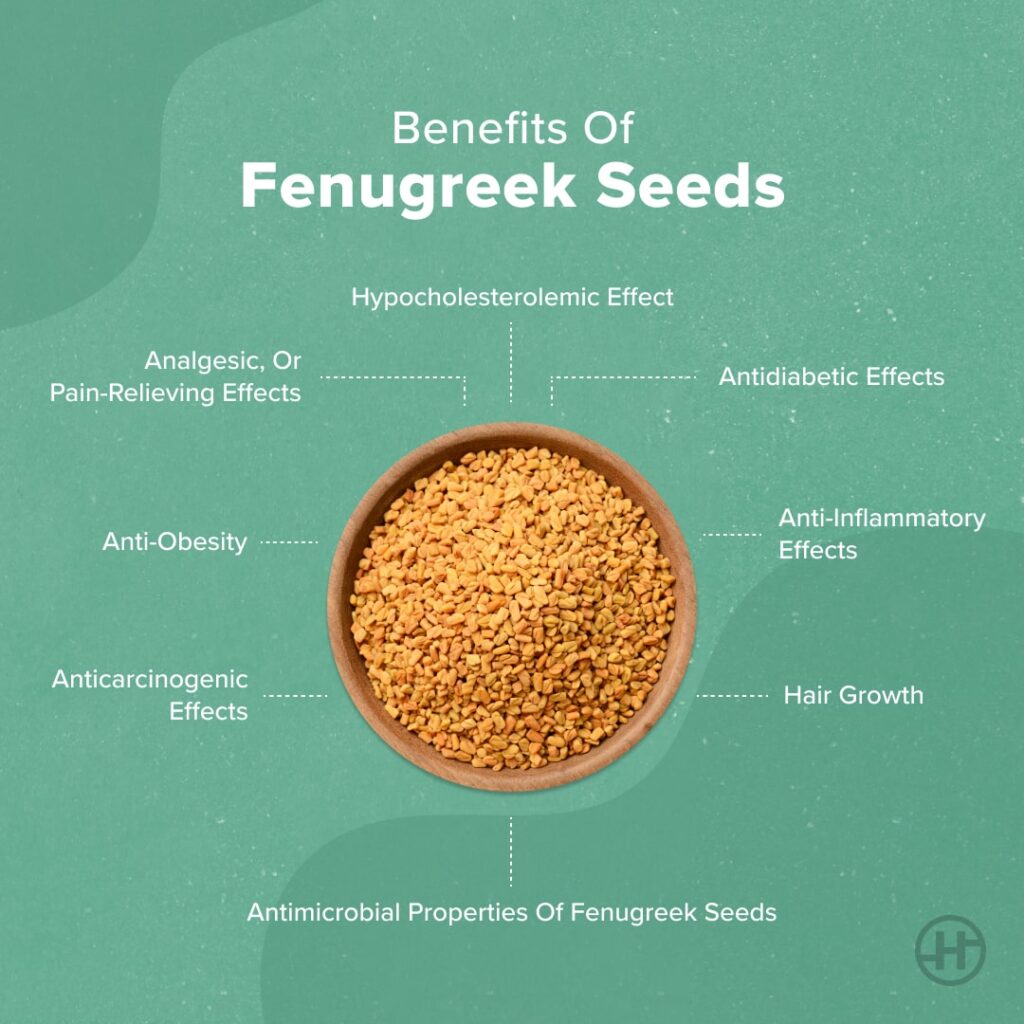
Fennel, a perennial plant belonging to the Fabaceae family, has been a staple in Indian cuisine for centuries. Its seeds are commonly consumed as part of traditional dishes, and its leaves and stems are used in various recipes. But beyond its culinary uses, fennel also boasts impressive health benefits, making it a popular ingredient in herbal remedies and supplements.
A Brief History of Fennel
The origins of fennel are shrouded in mystery, but evidence suggests that its seeds were carbonized and discovered in Iraq dating back to the Bronze Age. The ancient Egyptians also revered fennel, with Tutankhamun’s tomb containing a stash of dried fennel seeds. Today, India, Pakistan, Iran, Nepal, Bangladesh, Afghanistan, Egypt, Morocco, Turkey, Spain, and France are among the top producers of fennel.
Fennel has been cultivated for over 2,000 years, with records of its use dating back to ancient civilizations in Greece and Rome. The plant was highly valued for its medicinal properties, with Greek physicians using it to treat a range of ailments, including indigestion and respiratory issues. In the Middle Ages, fennel was used to treat a variety of conditions, including epilepsy, rheumatism, and bronchitis.
Growing Fennel
Fennel is an annual plant that thrives in well-draining soil and full sun. It can be grown from seeds or by replanting rhizomes, making it a versatile crop for small-scale farmers. While its origins are Asian, fennel has gained popularity in Europe, with countries like Spain, France, and Turkey embracing this nutritious crop.
To grow fennel, plant the seeds in early spring or late summer, depending on your location. Fennel requires a long growing season, typically taking around 60 to 90 days to mature. The plant can be grown in containers or directly in the ground, but it prefers well-draining soil with a pH between 6 and 7.
Culinary Uses of Fennel
Fennel’s distinctive anise-like flavor makes it a staple in Indian cuisine, particularly in the southern region of Mumbai. It’s used to make curry powders, chutneys, and pickles. The seeds are roasted and ground into a powder, adding depth to curries, stews, and soups.
In Turkish cuisine, fennel is used to produce a popular pasta called Cemen, while in Persian cuisine, its leaves are known as Shanbalile, making it an essential ingredient in dishes like Ghormeh Sabzi. Fennel is also used in Mediterranean cuisine, where it’s paired with garlic, lemon, and olive oil to create a flavorful sauce for seafood.
Health Benefits of Fennel
Fennel is rich in nutrients, including calcium, iron, and potassium. Its seeds contain trigonelline, a compound with appetite-stimulating properties, which may aid in weight loss. However, more research is needed to confirm its efficacy as a natural weight loss aid.
As an excellent source of fiber, fennel can help regulate bowel movements and alleviate symptoms of irritable bowel syndrome (IBS). The plant also contains antioxidants, which can help protect against oxidative stress and inflammation in the body.
Fennel has been traditionally used to treat a range of health conditions, including:
- Digestive issues: Fennel seeds have been used to treat indigestion, bloating, and gas.
- Respiratory problems: The plant’s antispasmodic properties may help alleviate symptoms of bronchitis, asthma, and other respiratory issues.
- Menstrual cramps: Fennel has been traditionally used to treat menstrual cramps and other symptoms associated with PMS.
Where to Buy Fennel
You can purchase fennel seeds online from reputable sellers like Amazon or in local health food stores. In Italy, fennel is often sold as a dietary supplement in capsule form or as an extract. When purchasing supplements, ensure that the product is made from high-quality fennel seeds and manufactured by a reputable company.
Fennel: Potential Side Effects and Interactions
While generally considered safe, fennel may cause allergic reactions in some individuals, particularly those with allergies to legumes or sesame seeds. The seeds contain cumarine, which can interact with blood-thinning medications and affect their efficacy.
Pregnant women should avoid consuming fennel due to its potential effects on fetal development. Fennel may also exacerbate conditions such as high blood pressure, diabetes, and kidney disease.
Frequently Asked Questions
- What are the benefits of consuming fennel seeds?
Fennel seeds may aid in weight loss due to their trigonelline content, which stimulates appetite and increases metabolism. - Is fennel safe for pregnant women?
No, fennel is not recommended during pregnancy due to its potential effects on fetal development. - Can I grow my own fennel?
Yes, fennel can be grown from seeds or rhizomes in well-draining soil with full sun. - How do I use fennel in cooking?
Fennel seeds can be roasted and ground into a powder to add depth to curries, stews, and soups, while its leaves are used fresh or dried for salads and as a garnish. - What are the potential side effects of consuming fennel?
Possible side effects include allergic reactions, digestive issues, and interactions with certain medications. - Can I take fennel supplements instead of eating whole seeds?
Yes, but ensure that the supplement is made from high-quality fennel seeds and manufactured by a reputable company. - Is fennel a natural remedy for irritable bowel syndrome (IBS)?
Fennel may help regulate bowel movements and alleviate IBS symptoms due to its high fiber content. - How can I store fennel seeds?
Store fennel seeds in an airtight container, away from direct sunlight and moisture, to maintain their flavor and nutritional properties.
Conclusion
In conclusion, fennel is a versatile herb with impressive health benefits and culinary uses. Its unique flavor profile makes it a staple in Indian cuisine, while its potential as a natural weight loss aid has gained attention globally. However, it’s essential to consume fennel in moderation and be aware of its potential side effects and interactions with medications.
By understanding the benefits and uses of fennel, you can unlock its full potential and incorporate this nutritious herb into your daily routine. Whether you’re looking to improve your digestion, alleviate respiratory issues, or simply add a new flavor dimension to your cooking, fennel is an excellent choice. So go ahead, give fennel a try, and discover the power of this incredible herb for yourself!


