
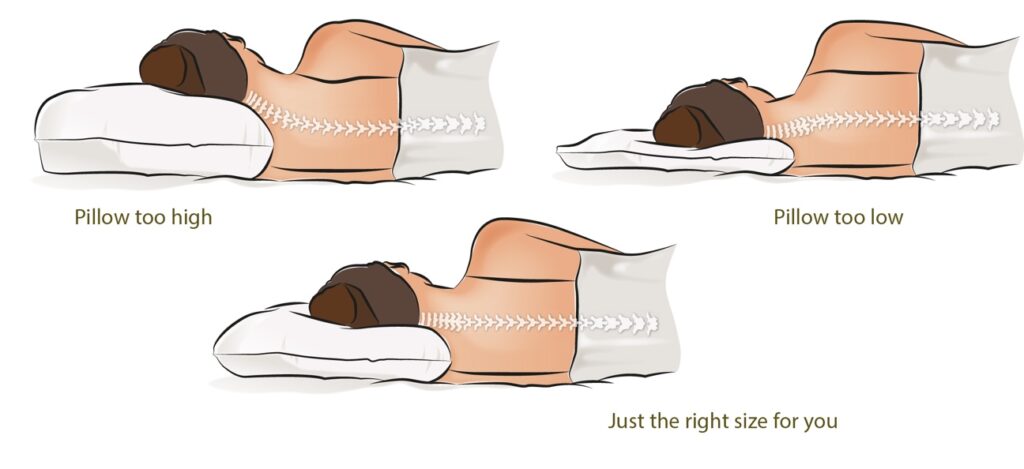
Sleep is essential for our physical and mental well-being, and a good night’s sleep can make all the difference in how we feel the next day. But have you ever stopped to think about what makes up your pillow? Choosing the right pillow can be overwhelming with so many options available, but it’s an important decision that can affect the quality of your sleep.
Understanding Your Needs
Before you start looking for a new pillow, it’s essential to consider who will be using it and how old they are. Different pillows are designed for different age groups, such as infants, children, adults, and seniors. Understanding your needs will help you choose the right pillow for you.
- Infants: For infants, look for soft and lightweight pillows that provide adequate support for their tiny necks.
- Children: Children’s pillows should be firm enough to maintain proper spinal alignment but not so firm that they cause discomfort or pressure points.
- Adults: Adults can choose from a wide range of pillows, including traditional, ergonomic, and specialized pillows designed for specific needs like snoring or insomnia.
- Seniors: Seniors may prefer softer, more supportive pillows to alleviate pressure on their joints and reduce discomfort.
Types of Pillows
There are several types of pillows available, each with its own unique characteristics. Some of the most common types include:
- Traditional Pillows: These are the classic pillows that have been around for centuries. They are filled with feathers or down and are known for their softness and loft.
- Ergonomic Pillows: These pillows are designed to support the natural shape of the neck and head. They are often made from materials like memory foam or latex.
- Specialized Pillows: There are many specialized pillows available, each designed for a specific purpose. For example, there are pillows specifically designed for snoring, insomnia, and even pregnancy.
Materials Matters
The material of your pillow can also play a significant role in determining the quality of your sleep. Some popular materials include:
- Natural Fibers: Natural fibers like cotton, wool, and silk are breathable and hypoallergenic.
- Synthetic Materials: Synthetic materials like polyester and microfiber are durable and easy to clean.
- Down Alternative: Down alternative pillows are filled with synthetic fibers that mimic the feel of down.
The Importance of Maintenance
A well-maintained pillow can make all the difference in the quality of your sleep. Regularly washing and fluffing your pillow can help keep it clean and fresh.
- Washing: Wash your pillow every 3-6 months to remove dirt, dust, and allergens.
- Fluffing: Fluff your pillow regularly to maintain its shape and prevent flat spots.
What to Avoid
There are several things to avoid when choosing a pillow. For example:
- Over-Stuffed Pillows: Over-stuffed pillows can cause neck strain and discomfort.
- Under-Stuffed Pillows: Under-stuffed pillows can leave you feeling lumpy and uncomfortable.
- Pillows with Uncomfortable Fillings: Pillows filled with materials like polyester or microfiber can be uncomfortable and unhygienic.
Choosing the Right Pillow for Your Needs
When choosing a pillow, consider your specific needs and preferences. Here are some tips to help you make an informed decision:
- Comfort: Choose a pillow that provides adequate support and comfort for your neck and head.
- Support: Consider a pillow with adjustable support or a built-in cervical spine support for added protection.
- Allergy-Friendly: Look for pillows made from hypoallergenic materials to alleviate allergy symptoms.
By following these tips and considering your needs, you can find the perfect pillow for a restful night’s sleep.
Frequently Asked Questions
- What is the best pillow for snoring?
- The best pillow for snoring is one that keeps the head and neck in alignment, reducing congestion and promoting better breathing.
- Can I use my old pillow if it’s still comfortable?
- It’s generally not recommended to use an old pillow that’s no longer comfortable. Over time, pillows can lose their shape and become less supportive.
- How often should I wash my pillow?
- It’s essential to wash your pillow regularly to keep it clean and fresh. The frequency of washing depends on personal preference and usage.
- What is the best material for a pillow for allergy sufferers?
- Hypoallergenic materials like natural fibers, synthetic materials, or down alternative are ideal for people with allergies.
- Can I use my old pillow if it’s still supportive?
- If your pillow is still supportive and comfortable, there’s no need to replace it. However, over time, pillows can lose their shape and become less supportive.
By following these tips and considering your needs, you can find the perfect pillow for a restful night’s sleep.


