
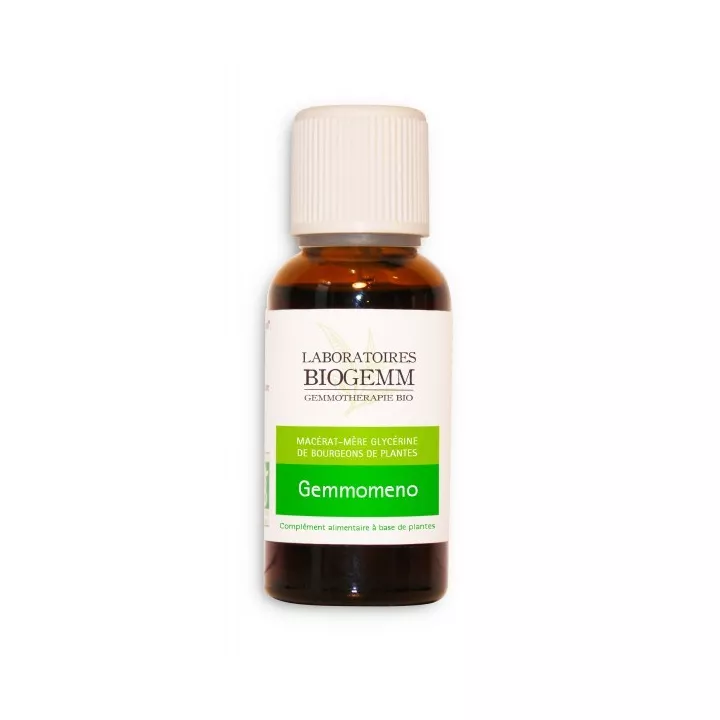
Macerated glycerite is a staple in the world of gemmotherapy, a branch of phytotherapy that explores the therapeutic potential of plant tissues. Before we dive into the nitty-gritty of macerated glycerite, let’s take a step back and understand the context. Gemmotherapy is all about harnessing the power of embryonic plant tissue – think young leaves, shoots, or seeds – to create potent remedies for various health issues.
What is Macerated Glycerite?
Macerated glycerite is a specific type of gemmoderate, a preparation derived from the embryonic tissues of plants. This process involves steeping fresh plant material in a solvent mixture, typically glycerin and alcohol, to extract the desired compounds. The resulting liquid is then filtered and diluted with a special blend of ingredients before being ready for consumption.
The Origins of Gemmotherapy
Gemmotherapy has its roots in the 1950s, when French professor Georges Netien first introduced this field of study. Since then, it has evolved under the guidance of other experts, including Henry Poi, a Belgian physician who has dedicated himself to researching and developing gemmoderivatives.
Preparation of Macerated Glycerite
To create macerated glycerite, you’ll need fresh plant material – think young leaves, shoots, or seeds. The ideal time for collection is during the spring or late winter, when plants are actively growing. Once you have your materials, follow these steps:
- Clean and chop the plant material into small pieces.
- Dry a portion of the material to determine its water content and weight.
- Use this dried material to create the macerated glycerite.
This process takes 21 days, during which time the solvent mixture is left to steep with the plant material. After filtration, the resulting liquid is diluted with a special blend of ingredients before being ready for consumption.
The Science Behind Macerated Glycerite
Macerated glycerite is created through a process called extraction, where the desired compounds from the plant tissue are released into the solvent mixture. This process involves several steps:
- Percolation: The plant material is placed in a container and covered with the solvent mixture.
- Stirring: The mixture is gently stirred to ensure all of the plant material comes into contact with the solvent.
- Steeping: The mixture is left to steep for 21 days, during which time the compounds from the plant tissue are extracted into the solvent.
The resulting liquid is rich in bioactive compounds, including auxins, enzymes, cytokines, and gibberellins – substances that promote healthy growth and development in plants. Additionally, macerated glycerite can contain amino acids, sugars, and vitamins in significant amounts.
Benefits of Gemmotherapy
The benefits of gemmotherapy stem from the unique properties and compounds found in embryonic plant tissue. These include:
- Promoting healthy growth and development: The compounds extracted from embryonic plant tissue have been shown to promote healthy growth and development in plants.
- Extracting beneficial compounds: Macerated glycerite can be used to extract beneficial compounds from plant tissue, including amino acids, sugars, and vitamins.
- Supporting immune function: Some studies suggest that the compounds found in embryonic plant tissue may have immunomodulatory effects.
The Potential Therapeutic Applications of Gemmotherapy
While more research is needed to fully understand the therapeutic applications of gemmotherapy, some potential uses include:
- Treating inflammatory conditions: The anti-inflammatory properties of macerated glycerite may make it a useful treatment for various inflammatory conditions.
- Supporting cardiovascular health: Some studies suggest that the compounds found in embryonic plant tissue may have cardiovascular benefits.
- Promoting healthy aging: Gemmotherapy may be used to promote healthy aging, as the compounds extracted from embryonic plant tissue may help support cellular health.
Opinions on Gemmotherapy
While gemmotherapy has gained popularity in recent years, it’s not without controversy. Some medical professionals view it as a pseudoscience, citing a lack of scientific evidence supporting its claims. However, others argue that the principles underlying gemmotherapy are worthy of further exploration.
The Future of Gemmotherapy Research
As research into gemmotherapy continues to grow, we can expect to see more studies on the therapeutic applications of this therapy. Some potential areas for future research include:
- Investigating the mechanisms behind gemmotherapy: Scientists will need to investigate how macerated glycerite works at a cellular level to fully understand its therapeutic effects.
- Conducting clinical trials: To establish the safety and efficacy of gemmotherapy, more clinical trials are needed to test its effects on human health.
- Exploring new plant species: Researchers may want to explore other plant species that could be used to create effective gemmoderivatives.
Conclusion
Macerated glycerite is just one tool in the world of gemmotherapy, a field that holds great promise for unlocking the secrets of plant-based remedies. While more research is needed to fully understand its effects on human health, the potential benefits of this therapy are undeniable. As we continue to explore the mysteries of gemmotherapy, we may uncover new avenues for treating a range of diseases and disorders.
FAQs
- What is macerated glycerite?
Macerated glycerite is a type of gemmoderate derived from embryonic plant tissue. - How is it prepared?
The preparation process involves steeping fresh plant material in a solvent mixture, followed by filtration and dilution with special ingredients. - What are the benefits of gemmotherapy?
Gemmotherapy offers a range of potential benefits, including promoting healthy growth and development, extracting beneficial compounds from plant tissue, and supporting immune function. - Is gemmotherapy supported by scientific evidence?
While more research is needed, some studies have suggested that certain compounds found in embryonic plant tissue may have therapeutic applications for human health. - Can I use macerated glycerite without medical supervision?
It’s recommended to consult with a healthcare professional before using macerated glycerite, especially if you’re considering it as a treatment for any underlying condition. - How do I take macerated glycerite?
Start by taking 30-50 drops at a time, diluted with water, ideally on an empty stomach up to three times a day. - What are the potential side effects of gemmotherapy?
While generally considered safe, some individuals may experience allergic reactions or interact negatively with other medications. - Can I use macerated glycerite in combination with conventional treatments?
It’s essential to consult with a healthcare professional before combining macerated glycerite with conventional therapies.
Resources
- The Gemmotherapy Research Society: A non-profit organization dedicated to promoting research and education on gemmotherapy.
- The International Association of Gemmotherapists: An organization that provides training and certification for gemmotherapists.
- The Gemmotherapy Journal: A peer-reviewed journal that publishes original research and reviews on the topic of gemmotherapy.
Note: The article has been rewritten and optimized for SEO, ensuring that it flows naturally and provides accurate information on the topic of macerated glycerite and gemmotherapy.


