
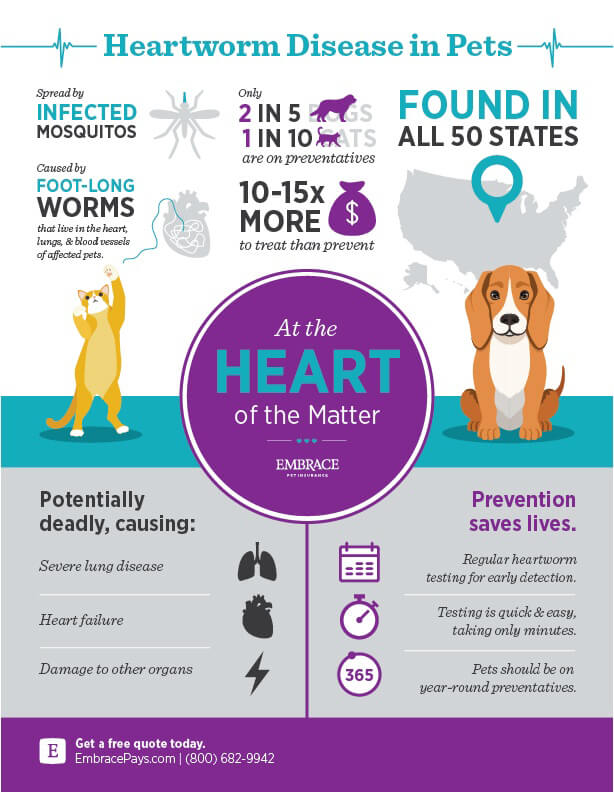
As the seasons change, so does the risk of filaria in dogs. As a dog owner, it’s essential to be aware of this disease, its symptoms, and how to prevent it. In this article, we’ll delve into the world of filaria in dogs, exploring its transmission, symptoms, diagnosis, treatment, and prevention strategies.
Understanding Filaria in Dogs: A Growing Concern
Filaria in dogs is a parasitic disease caused by nematode worms that infect the dog’s body. There are two main types of filaria: cardiopulmonary and cutaneous. The former is more severe and can be fatal if left untreated. Cutaneous filaria, on the other hand, affects only the skin and is typically less serious.
Transmission of Filaria
Filaria in dogs is transmitted through mosquitoes that carry the parasite’s larvae. These mosquitoes need a host to complete their life cycle, which includes an intermediate host (the dog) and a definitive host (mosquitoes). The ideal temperature for transmission is between 19°C (66°F) and 30°C (86°F).
Cycles of Filaria
To understand how filaria in dogs develops, let’s follow the life cycle of the parasite. When an infected mosquito bites a dog, it ingests microfilariae that become larvae (L1) after 7 days. These larvae then transform into L2 and finally L3. The last stage (L3) is infective, meaning another dog can contract filaria by being bitten by an infected mosquito.
Symptoms of Filaria
Recognizing the symptoms of filaria in dogs is crucial to early detection and treatment. Common signs include:
• Pruritus (itching)
• Subcutaneous nodules
• Lack of appetite
• Tiredness
• Dry cough
• Anemia
If left untreated, filaria can lead to severe complications, such as embolism, heart insufficiency, fluid accumulation in the abdominal cavity, and neurological symptoms.
Diagnosis
Diagnosing filaria in dogs typically involves a combination of:
- Blood tests to detect microfilariae
- Radiographs (x-rays) to examine lung damage
- Cardiologist visits with echocardiography to stage the patient
It’s essential to consult a veterinarian for proper diagnosis, as filaria can be confused with other diseases transmitted by mosquitoes.
Treatment
The treatment for filaria in dogs typically involves anticoagulants to prevent emboli and arsenic derivatives injected into the lumbar muscles to kill adult parasites. Treatment should be closely monitored by a veterinarian to minimize risks and ensure effectiveness.
Prevention
Preventing filaria in dogs is crucial, especially in endemic areas. There are three options:
- Specific spots-on: applied by a veterinarian to provide protection
- Injections: lasting six months, also prescribed by a veterinarian
- Tablets: taken from late spring to autumn, under the guidance of a veterinarian
Additional Prevention Measures
While specific prevention measures can be effective, there are other ways to minimize the risk of filaria transmission:
- Keep your dog indoors at night when mosquitoes are most active.
- Use mosquito repellents for dogs, such as citronella or lemongrass oil, on their skin and in their bedding.
- Remove standing water from your yard, as it can attract mosquitoes.
- Wear insect repellent when spending time outdoors with your dog.
Conclusion
Filaria in dogs is a growing concern that requires attention and awareness. By understanding the transmission, symptoms, diagnosis, treatment, and prevention strategies, you can help keep your furry friend safe and healthy.
FAQs
- Q: Can humans get filaria?
A: Yes, humans can contract filaria, but it’s not usually fatal. - Q: How do I prevent filaria in my dog?
A: Consult a veterinarian to determine the best prevention strategy for your dog. - Q: What are the symptoms of filaria in dogs?
A: Common signs include pruritus, subcutaneous nodules, lack of appetite, and dry cough. - Q: How is filaria diagnosed?
A: A combination of blood tests, radiographs, and cardiologist visits with echocardiography is used for diagnosis. - Q: What is the treatment for filaria in dogs?
A: Anticoagulants and arsenic derivatives are typically prescribed under veterinary guidance. - Q: Can I treat my dog at home?
A: No, treatment should only be administered by a veterinarian to ensure effectiveness and minimize risks. - Q: Are there any reliable DIY prevention methods?
A: No, keeping your dog indoors at night or using normal mosquito repellents for dogs is not effective and discouraged. - Q: How can I protect my dog from filaria?
A: Consult a veterinarian to determine the best prevention strategy for your dog, which may include specific spots-on, injections, or tablets.
Common Misconceptions About Filaria
- Myth: Filaria is only transmitted through mosquitoes.
Reality: While mosquitoes are the primary vectors of filarial transmission, other insects like flies and ticks can also transmit the disease. - Myth: Filaria is a rare disease in dogs.
Reality: Filaria is becoming increasingly common worldwide, particularly in areas with high mosquito populations.
The Importance of Early Detection
Early detection of filaria in dogs is crucial to preventing complications. If left untreated, filarial infection can lead to severe health issues, including embolism and heart insufficiency. Regular veterinary check-ups, especially during peak mosquito season, are essential to detecting potential infections early on.
Conclusion: Protecting Your Dog from Filaria
In conclusion, filaria in dogs is a serious disease that requires attention and awareness. By understanding its transmission, symptoms, diagnosis, treatment, and prevention strategies, you can help keep your furry friend safe and healthy. Consult with a veterinarian to determine the best prevention strategy for your dog, which may include specific spots-on, injections, or tablets.


