
Introduction
In the realm of superfruits, few can rival the humble uva (grape). This versatile fruit is not only a staple in many cuisines around the world but also boasts an impressive array of nutritional and medicinal benefits. In this article, we’ll delve into the wonderful world of uva, exploring its properties, health benefits, and uses.
What are the Properties of Uva?
Uva is often referred to as an “energizing” fruit due to its high water content (around 80%). Rich in sugars, it also contains various minerals like potassium, iron, and calcium. The skin of the uva is particularly noteworthy, packed with flavonoids – a group of compounds known for their potent antioxidant properties.
Flavonoids: Antioxidants and Anti-Inflammatory Agents
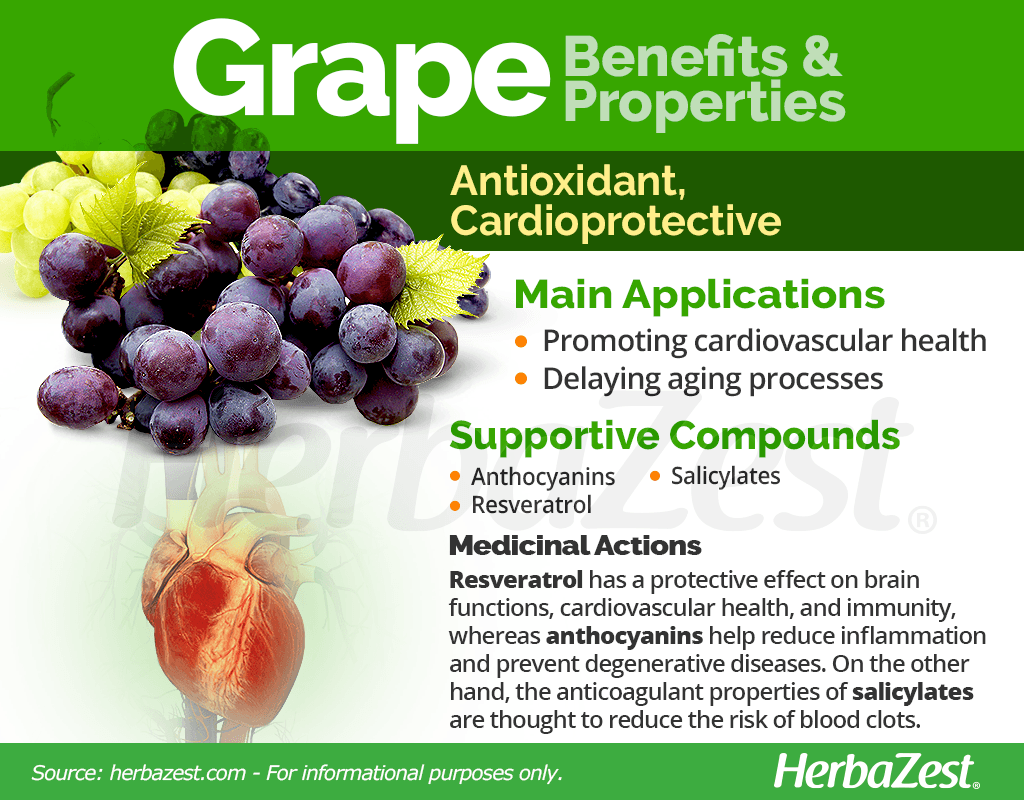
Among the flavonoids present in uva, we have antocianina, proantocianidina, and resveratrolo. These compounds have been extensively studied for their potential health benefits, including:
- Cardiovascular protection: Resveratrolo has been shown to improve blood circulation, prevent clotting, and reduce the risk of cardiovascular diseases.
- Anticancer properties: The same compound has been found to inhibit the growth of cancer cells, making it a promising agent in cancer research.
- Neuroprotection: Flavonoids have been linked to improved cognitive function and reduced risk of neurodegenerative disorders like Alzheimer’s disease.
Nutritional Profile
Here is a breakdown of uva’s nutritional profile per 100 grams:
| Nutrient | Amount (per 100g) |
|---|---|
| Calories | 62 kcal |
| Water | 80 g |
| Protein | 0.5 g |
| Fat | 0.1 g |
| Carbohydrates | 15.6 g |
| Fiber | 1.5 g |
| Sodium | 1 mg |
| Potassium | 192 mg |
| Iron | 0.4 mg |
| Calcium | 27 mg |
The Uva Diet: A Natural Disintoxification Method
In Germany, the uva diet has been a popular natural remedy for detoxification and weight loss. The concept involves consuming large amounts of fresh uva (around 2 kg per day) to stimulate digestion and promote overall well-being.
However, before embarking on this unconventional diet, it’s essential to consult with a healthcare professional or registered dietician to ensure its safety and feasibility.
Precautions and Contraindications
While the uva offers numerous health benefits, there are certain individuals who should avoid consuming it in large quantities:
- Diabetics: High sugar intake can exacerbate blood sugar levels.
- Colitici: The high fiber content may worsen digestive issues.
- Ulcera gastrica: Uva consumption may irritate the stomach lining.
Tips for Digesting Uva
If you’re experiencing digestive discomfort while consuming uva, try the following:
- Consume uva in moderation (500g per day)
- Combine it with other fruits to reduce acidity
- Avoid pairing uva with dairy products or high-fat foods
Medicinal Uses of Uva
The medicinal uses of uva are numerous and varied. Some of the most common applications include:
- Antiviral properties: The flavonoids present in uva have been shown to inhibit the replication of certain viruses, making it a potential natural remedy for viral infections.
- Anti-inflammatory effects: Uva’s anti-inflammatory compounds may help alleviate symptoms associated with conditions like arthritis and other inflammatory diseases.
- Digestive health: The fiber content in uva can help regulate bowel movements and improve overall digestive function.
Culinary Uses of Uva
Uva is a versatile fruit that can be used in a variety of culinary applications:
- Fresh consumption: Uva can be enjoyed fresh, either on its own or paired with other fruits.
- Juicing: The high water content and natural sugars make uva an ideal candidate for juicing.
- Baking: Uva can be used in baked goods like cakes, muffins, and breads to add natural sweetness and flavor.
Conclusion
The uva is a nutrient-rich fruit that offers numerous health benefits when consumed in moderation. By understanding its properties, nutritional profile, and potential uses, you can unlock the full potential of this amazing superfruit.
Frequently Asked Questions (FAQs)
- What are the primary compounds found in uva?
- Antocianina, proantocianidina, and resveratrolo
- Can the uva diet be used for weight loss?
- Yes, as it can help stimulate digestion and reduce water retention
- Is uva safe for people with ulcers or digestive issues?
- No, high fiber intake may worsen symptoms in some individuals.
- How much uva should I consume per day?
- A moderate amount is recommended (500g per day)


