
In Italy, the use of biodegradable bags for grocery shopping is mandatory, with some exceptions. While there has been resistance from retailers, the benefits of using these eco-friendly bags cannot be overstated.
What are Biodegradable Bags?
Biodegradable bags are made from materials that can break down naturally in the environment, reducing greenhouse gas emissions and plastic waste. However, not all biodegradable bags are created equal, and it’s essential to know how to identify them.
How to Identify Biodegradable Bags
At first glance, biodegradable bags may appear fragile or soft to the touch. This is because they are often made from natural materials such as cornstarch, potato starch, or plant-based polymers. When looking for a biodegradable bag, check for the following:
- The material used to make the bag
- The presence of certifications like “OK Compost” and “Compostable”
- The label indicating compliance with European standards (EN 13432)
Cost and Quality
While it may seem that biodegradable bags are more expensive than traditional plastic bags, they offer several benefits. For example:
- They are stronger and more durable due to their thicker design
- They can be used for both household composting and municipal waste collection
- They have a longer lifespan
A 10-liter bag made from biodegradable material can cost around €11.40 on Amazon, which is comparable to traditional plastic bags.
Specialized Bags
Biodegradable bags come in various forms, including those designed for:
- Household composting
- Wet waste collection
- Pharmaceutical packaging
Each type of bag has its unique features and benefits, making it essential to choose the right one for your needs.
Regulations and Obligations
In Italy, the use of biodegradable bags is mandatory for grocery shopping, except for certain exceptions. The law specifies that these bags must meet specific standards, including:
- A minimum thickness of 200 microns (for food-contact bags)
- A minimum thickness of 100 microns (for non-food contact bags)
- A minimum thickness of 60 microns (for bags without handles)
Failure to comply with these regulations can result in fines of up to €5,000.
Conclusion
Biodegradable bags are an essential step towards reducing plastic waste and promoting sustainability. By understanding how to identify them and their benefits, individuals can make a positive impact on the environment. Whether you’re looking for biodegradable bags for household use or specialized applications, there’s a wide range of options available.
Frequently Asked Questions (FAQs)
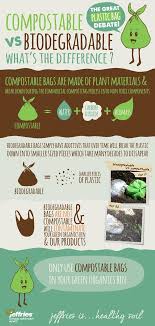
Q: What is the difference between biodegradable and compostable bags?
A: Biodegradable bags can break down in the environment over time, while compostable bags are specifically designed to decompose quickly and efficiently, reducing greenhouse gas emissions.
Q: Which materials can be used to make biodegradable bags?
A: Natural materials such as cornstarch, potato starch, plant-based polymers, jute, cotton, and recycled paper can be used to make biodegradable bags.
Q: What is the benefit of using thicker biodegradable bags?
A: Thicker biodegradable bags are stronger and more durable due to their increased thickness, making them suitable for both household composting and municipal waste collection.
Q: Can I use biodegradable bags for non-food items?
A: Yes, biodegradable bags can be used for a variety of purposes beyond grocery shopping, including wet waste collection, pharmaceutical packaging, and more.
Q: Are there any exceptions to the mandatory use of biodegradable bags in Italy?
A: Yes, certain types of bags, such as those containing food products or pharmaceuticals, are exempt from the mandatory use of biodegradable bags.
Benefits of Biodegradable Bags
Biodegradable bags offer several benefits over traditional plastic bags. Some of the most significant advantages include:
- Reduced Plastic Waste: Biodegradable bags can help reduce plastic waste in landfills and oceans, contributing to a cleaner environment.
- Lower Greenhouse Gas Emissions: The production process for biodegradable bags is often more energy-efficient than traditional plastics, resulting in lower greenhouse gas emissions.
- Improved Composting: Biodegradable bags are specifically designed to break down quickly and efficiently in composting facilities, reducing the need for specialized equipment.
Types of Biodegradable Bags
Biodegradable bags come in a variety of shapes, sizes, and materials. Some of the most common types include:
- Household Compostable Bags: Designed for household use, these bags are made from natural materials like cornstarch or potato starch.
- Wet Waste Collection Bags: These biodegradable bags are designed specifically for collecting wet waste, making them ideal for households with high water usage.
- Pharmaceutical Packaging Bags: Biodegradable bags made from materials like plant-based polymers or recycled paper are used to package pharmaceuticals and other medical products.
How to Dispose of Biodegradable Bags
To ensure that biodegradable bags can be properly composted, it’s essential to follow proper disposal procedures. Here are some tips:
- Check the Label: Before disposing of a biodegradable bag, check the label for specific composting instructions.
- Compost at Home: If the bag is labeled as compostable, you can dispose of it in your household compost pile or container.
- Take It to a Composting Facility: If you’re unsure about how to dispose of a biodegradable bag, take it to a local composting facility for proper processing.
Conclusion
Biodegradable bags are an essential step towards reducing plastic waste and promoting sustainability. By understanding how to identify them, their benefits, and proper disposal procedures, individuals can make a positive impact on the environment. Whether you’re looking for biodegradable bags for household use or specialized applications, there’s a wide range of options available.
Additional Resources
- European Bioplastics Association: A comprehensive resource for information on biodegradable plastics and sustainable packaging solutions.
- Italian Ministry of Environmental Protection (MPEP): A government website providing information on environmental policies, including the use of biodegradable bags in Italy.
- Biodegradable Materials Association (BMA): A trade association dedicated to promoting sustainable materials and reducing plastic waste.
Biodegradable Bag Manufacturers
Here are some companies that specialize in producing biodegradable bags:
- Biopac: A leading manufacturer of biodegradable bags made from plant-based polymers.
- PLATIPUS Bioplastics: Specializes in producing biodegradable bags from natural materials like cornstarch or potato starch.
- Eco Products Inc.: Offers a range of biodegradable bags, including household compostable and pharmaceutical packaging options.
By supporting these companies and choosing biodegradable bags whenever possible, you can contribute to a more sustainable future for our planet.


