
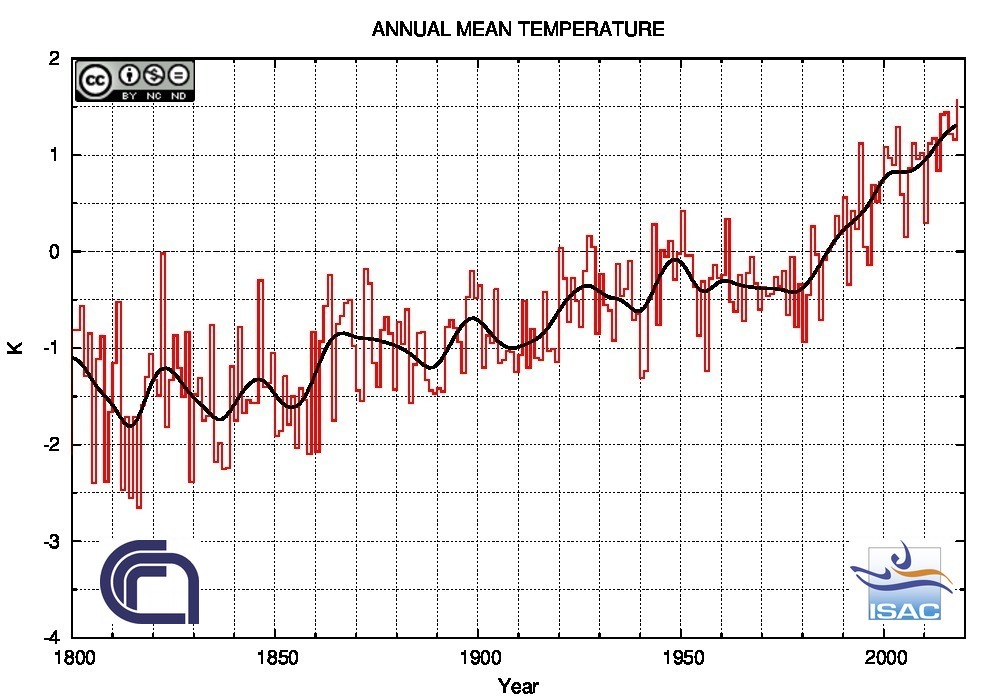
As the temperatures in our country continue to rise, it’s becoming increasingly clear that the past few years have been marked by a significant increase in heatwaves and other extreme weather events. In this article, we’ll take a closer look at the data from the Italian Institute of Meteorology (ISPA) and the World Meteorological Organization (WMO), which shows that 2018 was the hottest year on record in Italy since 1880.
The Context: Understanding Climate Change
Climate change is no longer just a distant threat; it’s a reality that we’re living with every day. Rising temperatures, melting ice caps, and extreme weather events are all indicators of the devastating impact that human activity is having on our planet. But what does this mean for us, and how can we take action to mitigate its effects?
The Data: Italy’s Climate in 2018
So, just how hot was 2018? According to the ISPA, the year saw temperatures that were “incredibly high” compared to the norm. In fact, it was one of the four hottest years on record since 1880, alongside 2015, 2016, and 2017.
But Italy’s climate is not just a story about rising temperatures; it’s also marked by extreme weather events like heatwaves, droughts, and heavy rainfall. The data shows that these events are becoming more frequent and intense, with devastating consequences for our environment and communities.
The Impact: Extreme Weather Events
One of the most significant impacts of climate change is the rise in extreme weather events. In 2018, Italy experienced a series of extreme weather events, including:
- Heatwaves: Temperatures soared to record highs, causing widespread discomfort and even death.
- Droughts: Prolonged periods of dry weather led to water shortages and crop failures.
- Heavy rainfall: Flash flooding caused by intense storms left communities reeling.
- Wildfires: Unseasonal heatwaves sparked devastating blazes that ravaged entire regions.
The Consequences: Humanitarian Crisis
The effects of these extreme weather events are far-reaching, with human lives being lost and communities affected. The 2018 wildfires in Greece, for example, killed dozens of people and left many more homeless.
But the impact goes beyond just human lives; it also affects our economy, infrastructure, and environment. The economic costs of climate change are estimated to be in the trillions of dollars, while the environmental damage can take centuries to recover from.
The Solution: Taking Action
So what can we do about climate change? The answer is clear: we need to take immediate action to reduce our carbon footprint and transition to a more sustainable energy source. Governments, corporations, and individuals all have a role to play in this effort.
Here are some steps that we can take:
- Reduce energy consumption: By reducing our energy usage, we can lower our carbon emissions and slow down climate change.
- Invest in renewable energy: Transitioning to clean energy sources like solar and wind power can help reduce our reliance on fossil fuels and mitigate the effects of climate change.
- Protect natural habitats: Preserving forests, wetlands, and other ecosystems can help absorb carbon dioxide and mitigate the impacts of climate change.
Consequences for Italy’s Agriculture
The increase in extreme weather events has significant consequences for Italy’s agriculture. The country is one of the largest producers of agricultural products in the European Union, but the rising temperatures and changing precipitation patterns are affecting crop yields and quality.
- Crop failures: The heatwaves and droughts have led to crop failures, particularly among sensitive crops like grapes, olives, and almonds.
- Reduced yields: Even when crops do grow, the reduced yields can lead to economic losses for farmers and food producers.
- Changes in growing seasons: The changes in temperature and precipitation patterns are also affecting the timing of planting and harvesting, which can disrupt the traditional agricultural calendar.
Consequences for Italy’s Water Supply
The extreme weather events have also had significant consequences for Italy’s water supply. The heavy rainfall and flash flooding have caused rivers to swell, leading to floods and disruptions to drinking water supplies.
- Water shortages: The droughts and heatwaves have led to water shortages, particularly in areas where the water supply is already under strain.
- Flooding: The heavy rainfall has also caused flooding, which can contaminate water sources and disrupt treatment plants.
- Changes in precipitation patterns: The changes in temperature and precipitation patterns are affecting the amount of rain that falls in different parts of the country, leading to unpredictable and unreliable water supplies.
Conclusion
Climate change is no longer just a distant threat; it’s a reality that we’re living with every day. The data from Italy shows that 2018 was one of the hottest years on record, marked by extreme weather events and devastating consequences for our environment and communities. But there is hope: by taking immediate action to reduce our carbon footprint and transition to a more sustainable energy source, we can mitigate the effects of climate change and create a better future for ourselves and future generations.
Frequently Asked Questions
- What was the hottest year on record in Italy?
- 2018
- How did the heatwaves affect Italy in 2018?
- Temperatures soared to record highs, causing widespread discomfort and even death.
- What are some of the most significant impacts of climate change on Italy?
- Extreme weather events like heatwaves, droughts, heavy rainfall, and wildfires.
- How can we reduce our carbon footprint and mitigate the effects of climate change?
- Reduce energy consumption, invest in renewable energy, protect natural habitats.
- What is the economic cost of climate change?
- Estimated to be in the trillions of dollars.
- What are some of the environmental impacts of climate change on Italy?
- Deforestation, ocean acidification, loss of biodiversity.
- How can we transition to a more sustainable energy source?
- Invest in solar and wind power, increase energy efficiency.
- What role do governments, corporations, and individuals play in addressing climate change?
- Governments set policies, corporations invest in clean tech, individuals reduce their carbon footprint.
The fight against climate change is a collective one; we all have a role to play in reducing our carbon footprint and transitioning to a more sustainable energy source. By taking action now, we can mitigate the effects of climate change and create a better future for ourselves and future generations.


