
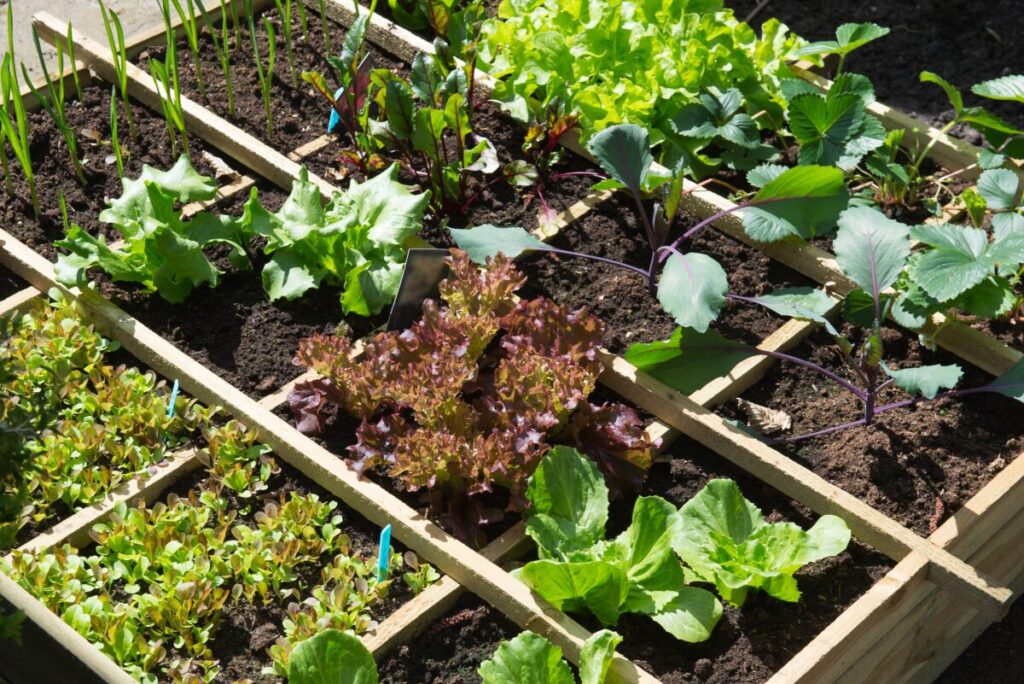
Growing a biodynamic garden is a holistic approach to gardening that focuses on the interconnectedness of the natural world. By cultivating plants without using synthetic pesticides or fertilizers, you can grow a variety of delicious and nutritious fruits and vegetables while also maintaining a healthy ecosystem. In this article, we’ll explore the benefits of growing a biodynamic garden, including how it can help reduce your environmental footprint and promote overall well-being.
What is a Biodynamic Garden?
A biodynamic garden is a type of garden that uses natural methods to control pests and diseases, rather than relying on synthetic chemicals. This approach involves using techniques such as crop rotation, composting, and cover cropping to create a balanced ecosystem. By working with nature, you can create a garden that is not only productive but also environmentally sustainable.
The Benefits of Growing a Biodynamic Garden
Growing a biodynamic garden offers a number of benefits, including:
- Reduced Environmental Impact: By using natural methods to control pests and diseases, you can reduce your use of synthetic chemicals and minimize your environmental footprint.
- Improved Soil Health: Biodynamic gardening practices such as composting and cover cropping help to improve soil health by adding organic matter and reducing erosion.
- Increased Crop Yields: By creating a balanced ecosystem, you can increase crop yields and promote overall plant health.
Tips for Growing a Biodynamic Garden
Growing a biodynamic garden requires some planning and effort, but with the right techniques and tools, it can be a highly rewarding experience. Here are some tips to get you started:
- Choose the Right Location: When selecting a location for your biodynamic garden, consider factors such as sunlight, soil quality, and drainage.
- Use Natural Fertilizers: Instead of relying on synthetic fertilizers, use natural methods such as composting and cover cropping to add nutrients to your soil.
- Incorporate Beneficial Insects: Incorporate beneficial insects such as bees and butterflies into your garden by planting flowers that provide nectar and pollen.
Common Challenges Faced by Biodynamic Gardeners
Growing a biodynamic garden can be challenging, but with the right techniques and tools, you can overcome many of these challenges. Here are some common challenges faced by biodynamic gardeners:
- Pests: Pests such as aphids, whiteflies, and slugs can be problematic in a biodynamic garden.
- Diseases: Diseases such as powdery mildew, downy mildew, and leaf spot can also affect your crops.
How to Manage Pests and Diseases
Managing pests and diseases is an important part of growing a biodynamic garden. Here are some strategies that can help:
- Use Physical Barriers: Use physical barriers such as row covers and fine mesh screens to protect plants from pests.
- Encourage Beneficial Insects: Encourage beneficial insects such as ladybugs, lacewings, and parasitic wasps to prey on pests.
Benefits of Biodynamic Gardening
Biodynamic gardening has a number of benefits that make it an attractive choice for gardeners. Some of the key benefits include:
- Improved Soil Health: By using natural methods to control pests and diseases, you can improve soil health by adding organic matter and reducing erosion.
- Increased Crop Yields: By creating a balanced ecosystem, you can increase crop yields and promote overall plant health.
- Reduced Environmental Impact: By using natural methods to control pests and diseases, you can reduce your use of synthetic chemicals and minimize your environmental footprint.
How Biodynamic Gardening Can Help Reduce Your Carbon Footprint
Biodynamic gardening is an environmentally friendly approach to gardening that can help reduce your carbon footprint. Here are some ways in which biodynamic gardening can help:
- Reduced Fertilizer Use: By using natural methods to add nutrients to the soil, you can reduce your use of synthetic fertilizers and minimize your environmental impact.
- Conservation of Water: Biodynamic gardening practices such as mulching and drip irrigation can help conserve water and reduce your energy consumption.
- Reduced Waste: Biodynamic gardening can also help reduce waste by promoting the reuse and recycling of organic materials.
Conclusion
Growing a biodynamic garden is a holistic approach to gardening that focuses on the interconnectedness of the natural world. By using natural methods to control pests and diseases, you can reduce your environmental footprint and promote overall well-being. With the right techniques and tools, you can overcome many of the challenges faced by biodynamic gardeners.
Frequently Asked Questions
- What is a biodynamic garden?
- How do I get started with growing a biodynamic garden?
- What are some common pests and diseases that affect biodynamic gardens?
- How do I manage pests and diseases in my biodynamic garden?
- Can biodynamic gardening be used for urban or small-scale gardening?
- Are there any specific plants that are well-suited to biodynamic gardening?
- How can I protect my soil from erosion in a biodynamic garden?
- What are some benefits of using beneficial insects in my biodynamic garden?
Common Mistakes to Avoid When Growing a Biodynamic Garden
Growing a biodynamic garden can be challenging, but with the right techniques and tools, you can avoid common mistakes that can harm your plants. Here are some common mistakes to avoid:
- Not Using Compost: Composting is an essential part of biodynamic gardening, as it helps to add nutrients to the soil and improve its structure.
- Not Incorporating Beneficial Insects: Beneficial insects such as bees and butterflies are essential for pollination and pest control in a biodynamic garden.
- Not Using Crop Rotation: Crop rotation is an important part of biodynamic gardening, as it helps to maintain soil health and reduce pests and diseases.
Biodynamic Gardening Techniques
There are many techniques that can be used in biodynamic gardening. Some of the most common include:
- Composting: Composting is a natural method of adding nutrients to the soil by breaking down organic matter.
- Cover Cropping: Cover cropping involves planting crops between rows of vegetables or fruits to add nutrients and reduce erosion.
- Crop Rotation: Crop rotation involves rotating different crops in order to maintain soil health and reduce pests and diseases.
How to Get Started with Biodynamic Gardening
Getting started with biodynamic gardening can be easy, as long as you have the right techniques and tools. Here are some steps you can follow:
- Research: Research is an important part of getting started with biodynamic gardening, as it will help you learn about the different techniques and tools available.
- Choose a Location: Choose a location for your garden that has good sunlight, soil quality, and drainage.
- Use Natural Fertilizers: Use natural fertilizers such as composting and cover cropping to add nutrients to your soil.
- Incorporate Beneficial Insects: Incorporate beneficial insects such as bees and butterflies into your garden by planting flowers that provide nectar and pollen.
Conclusion
Growing a biodynamic garden is a holistic approach to gardening that focuses on the interconnectedness of the natural world. By using natural methods to control pests and diseases, you can reduce your environmental footprint and promote overall well-being. With the right techniques and tools, you can overcome many of the challenges faced by biodynamic gardeners.
Additional Resources
If you’re interested in learning more about biodynamic gardening, there are many additional resources available. Here are some recommendations:
- Books: There are many books available on biodynamic gardening that offer a wealth of information and advice.
- Online Courses: Online courses can be a great way to learn about biodynamic gardening, as they often include video tutorials and interactive exercises.
- Gardening Communities: Joining a gardening community can be a great way to connect with other gardeners who share your interests and values.
By following the tips and techniques outlined in this article, you can grow a thriving and sustainable biodynamic garden that benefits both you and the environment.


