
Introduction
In the realm of exotic fruits, there exists a rare gem that has captivated the hearts and taste buds of many. The cempedak fruit, also known as Artocarpus integer, is an enigmatic treasure that has been cherished by locals in Southeast Asia for centuries. Native to this region, its unique flavor profile and nutritional benefits have earned it a special place in the culinary world.
What is Cempedak?
Cempedak is a type of fruit that belongs to the Moraceae family, which also includes the banana tree and the jackfruit tree. This evergreen tree can grow up to 20 meters tall and has large, powerful branches that support heavy loads of fruit. The cempedak fruit is a syncarp, meaning it comes from a single flower with multiple ovaries.
Characteristics of Cempedak
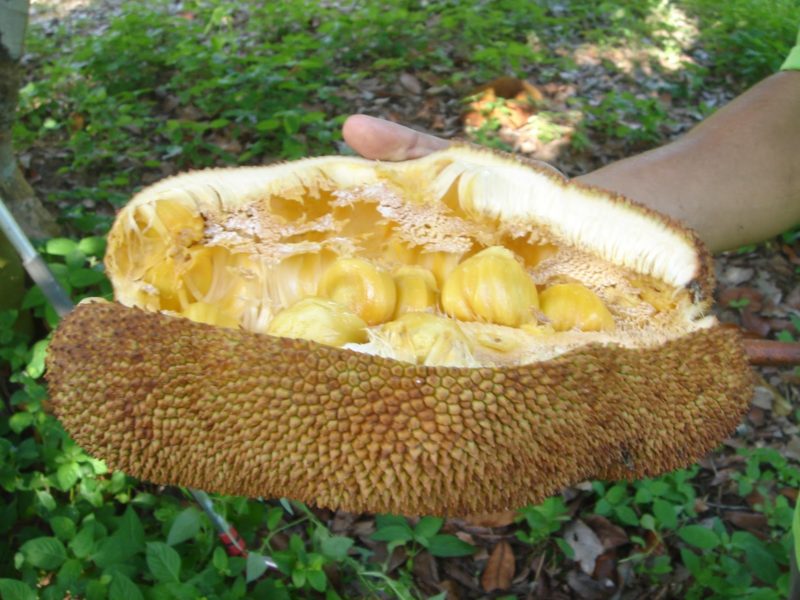
The cempedak fruit has a unique shape, ranging from spherical to cylindrical, measuring up to 35 centimeters in length and 10-15 centimeters in diameter. Its skin is thin but durable, with various colors such as green, yellow, or brown. The surface features small, pentagonal protuberances that give it a distinctive appearance.
The pulp of the cempedak fruit consists of arils, which are small, sweet, and edible. They have a soft, jelly-like texture and can be eaten raw or cooked in various ways. The seeds, also known as “cempedak nuts,” are crunchy on the outside and soft on the inside.
Flavor Profile
The cempedak fruit has a distinctive flavor that is both sweet and bitter. When ripe, it emits a strong, pungent odor that is often compared to the durian fruit. This smell can be off-putting to some, but it also serves as an indicator of the fruit’s maturity.
Cultivation
Cempedak trees thrive in well-drained soil and full sun, making them ideal for tropical regions with high temperatures and humidity. They can grow up to 1,200 meters above sea level and require moderate rainfall, typically between 1,250-2,500 millimeters per year.
In Malaysia, the cempedak tree is widely cultivated, particularly in the southern region where the climate is suitable for its growth. Local farmers use grafting techniques to propagate the trees, which helps maintain the desired genetic traits.
Harvesting and Preparation
Cempedak fruits are typically harvested between 3-6 years after planting, with a second crop produced every 2-4 months in certain regions. To enjoy the fruit, one must first determine its maturity by tasting it or listening to its sound, as the skin may not provide an accurate indication.
When ripe, cempedak fruits can be stored for up to two days, but they are best consumed fresh. The seeds can also be eaten raw or cooked in various ways.
Culinary Uses
The cempedak fruit is a versatile ingredient that can be used in both sweet and savory dishes. In Southeast Asia, it is commonly eaten as a snack or dessert, often paired with other tropical fruits. The pulp can be squeezed for its juice or used to make desserts like ice cream and smoothies.
In some regions, the cempedak fruit is also used as a vegetable substitute in stir-fries and curries. The seeds can be roasted and seasoned as a snack or used as an ingredient in traditional medicine.
Other Uses
The wood of the cempedak tree is highly prized for its durability and resistance to decay, making it suitable for furniture-making and boat construction. The bark has also been found useful for producing natural dyes and textiles.
Cempedak leaves have been used in traditional medicine for their anti-inflammatory properties, while the roots can be used as a natural remedy for digestive issues.
Nutritional Benefits
The cempedak fruit is rich in vitamins A and C, potassium, and fiber. It also contains antioxidants and other phytochemicals that have been shown to have anti-cancer properties.
In addition to its nutritional benefits, the seeds of the cempedak fruit are a good source of protein and healthy fats.
Traditional Uses
In some regions, the cempedak fruit is used in traditional medicine to treat various ailments. The pulp can be used as a poultice to treat skin conditions, while the seeds can be used to make a tea that is believed to have anti-inflammatory properties.
The wood of the cempedak tree has been used for centuries in traditional construction methods, particularly in rural areas where resources are limited.
Conclusion
In conclusion, the cempedak fruit is a rare and exotic treasure that offers a unique culinary experience. With its distinctive flavor profile, nutritional benefits, and versatility in cooking, it is no wonder why locals in Southeast Asia have cherished this fruit for centuries.
The cempedak fruit has also been found to have various uses beyond the kitchen, from traditional medicine to construction materials.
As we continue to explore the world of exotic fruits, it’s essential to appreciate the unique qualities and benefits that each one offers. Whether you’re a seasoned foodie or just curious about new ingredients, cempedak is definitely worth trying!
Frequently Asked Questions
- What is the taste of cempedak?
Cempedak has a sweet and slightly bitter flavor profile that can be off-putting to some due to its strong odor when ripe. - How do I determine if a cempedak fruit is ripe?
To check for ripeness, one must either taste the fruit or listen to its sound; if it sounds hollow, it’s ready to eat. - Can cempedak be eaten raw?
Yes, the pulp and seeds of the cempedak fruit can be eaten raw or used in various dishes. - How do I store cempedak fruits?
Cempedak fruits should be stored in an airtight container for up to two days; they are best consumed fresh. - Can cempedak seeds be roasted and seasoned?
Yes, the seeds can be roasted and seasoned as a snack or used as an ingredient in traditional medicine. - Is the wood of the cempedak tree suitable for furniture-making?
Yes, the wood is highly prized for its durability and resistance to decay, making it ideal for furniture-making and boat construction. - Can cempedak fruits be used as a vegetable substitute?
Yes, the pulp can be used in stir-fries and curries, while the seeds can be roasted and seasoned or used as an ingredient in traditional medicine. - How do I care for a cempedak tree?
Cempedak trees require well-drained soil, full sun, and moderate rainfall; regular pruning and fertilization are also essential for optimal growth.
By exploring the world of cempedak, we can gain a deeper appreciation for this exotic fruit and its many uses. Whether you’re a seasoned foodie or just curious about new ingredients, cempedak is definitely worth trying!



