
Introduction
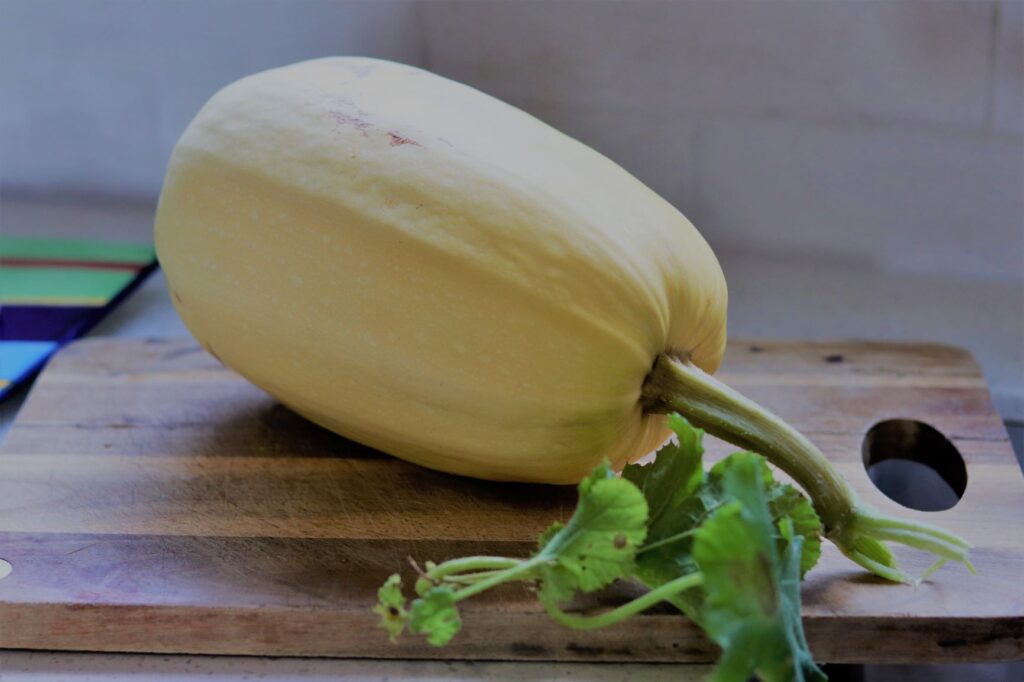
Spaghetti squash is a unique and delicious variety of winter squash that has gained popularity in recent years. Native to China, this type of squash is known for its elongated shape and tender flesh, which separates into long, stringy strands when cooked. In this article, we will delve into the world of spaghetti squash, covering everything from cultivation to cooking techniques.
Variety and Description
Spaghetti squash (Cucurbita pepo) is a type of winter squash that can grow up to 20 cm in length and weigh between 2-4 kg. The skin is smooth and may be white, cream, yellow, or orange in color. This variety of squash is prized for its unique texture and flavor, which makes it an excellent alternative to traditional pasta.
History and Origins
Spaghetti squash has its roots in China, where it was first cultivated over 1,000 years ago. Today, it is grown worldwide and is a staple crop in many countries. Despite its long history, spaghetti squash remains a relatively unknown variety of squash outside of Asia.
Growing Spaghetti Squash
Spaghetti squash is a warm-season crop that thrives in well-draining soil and full sun. The ideal time to plant is from March to May, depending on the climate. You can grow spaghetti squash using seeds or seedlings, which can be purchased at most garden centers.
Cultivation Tips
- Plant 3-4 seeds per square foot, spaced 2-3 inches apart.
- Use a trellis or cage to support the vines as they spread.
- Keep the soil consistently moist during the first few weeks after planting.
- Mulch around the plants to retain moisture and suppress weeds.
Harvesting Spaghetti Squash
Spaghetti squash is ready to harvest when the rind hardens and the stem comes off easily. The flesh should be tender and slightly sweet. Use a sharp knife or cleaver to cut the squash in half lengthwise, then scoop out the seeds with a spoon.
Cooking Spaghetti Squash
- Preheat your oven to 400°F (200°C).
- Cut the squash in half lengthwise and scoop out the seeds.
- Drizzle with olive oil and season with salt, pepper, and any other desired herbs or spices.
- Roast for 30-40 minutes, or until the flesh is tender and caramelized.
Recipe Ideas
- Spaghetti Squash with Tomatoes and Basil
- Grilled Chicken and Spaghetti Squash Salad
- Spaghetti Squash and Meatballs
Conservation and Storage
Spaghetti squash can be stored in a cool, dry place for up to 1 year. To preserve the squash, remove the seeds and cut the flesh into smaller pieces, then store them in an airtight container.
Conclusion
Spaghetti squash is a versatile and delicious variety of winter squash that can add excitement to your cooking routine. With its unique texture and flavor, it’s perfect for pasta enthusiasts and adventurous eaters alike. Whether you’re growing it yourself or purchasing it from the market, spaghetti squash is sure to become a staple in your kitchen.
Frequently Asked Questions
- Q: What is spaghetti squash?
A: Spaghetti squash is a type of winter squash that has elongated flesh, which separates into long, stringy strands when cooked. - Q: How do I grow spaghetti squash?
A: Plant seeds or seedlings in well-draining soil and full sun from March to May, depending on the climate. - Q: What are the health benefits of eating spaghetti squash?
A: Spaghetti squash is low in calories and rich in vitamins, minerals, and antioxidants, making it a nutritious addition to your diet. - Q: Can I grow spaghetti squash indoors?
A: Yes, you can grow spaghetti squash indoors using containers or hydroponics, but the results may be less consistent than outdoor growing. - Q: How do I cook spaghetti squash?
A: Cut the squash in half lengthwise, scoop out the seeds, and roast in the oven with olive oil and seasonings for 30-40 minutes, or until tender. - Q: Is spaghetti squash a good source of protein?
A: Spaghetti squash is low in protein, but it can be paired with high-protein foods like beans, lean meats, or eggs to create a balanced meal. - Q: Can I eat the seeds and skin of spaghetti squash?
A: Yes, you can eat both the seeds and skin, but remove them before cooking to ensure optimal flavor and texture. - Q: Is spaghetti squash seasonal?
A: Spaghetti squash is typically harvested in late summer and early fall, making it a mid-season crop that’s available throughout the year in many regions.
Tips for Selecting the Perfect Squash
- Choose a firm, heavy squash with no soft spots or bruises.
- Opt for a variety of color to ensure optimal flavor and texture.
- Avoid squashes with moldy or rotting flesh.
Troubleshooting Common Problems
- Q: Why won’t my spaghetti squash grow?
A: Check the soil for adequate moisture and nutrients, and ensure that the squash is receiving enough sunlight. - Q: How do I prevent pests from damaging my spaghetti squash?
A: Use physical barriers or natural pest control methods to protect your plants from common pests like aphids and squash bugs.
Growing Spaghetti Squash in Containers
Spaghetti squash can be grown in containers using a variety of techniques. Here are some tips for growing spaghetti squash in pots:
- Choose a container that is at least 12 inches deep and has good drainage.
- Use a well-draining potting mix to prevent waterlogged soil.
- Provide the squash with full sun and consistent moisture.
Hydroponic Spaghetti Squash Growing
Hydroponics can be an effective way to grow spaghetti squash, especially in areas with limited space or poor soil quality. Here are some tips for growing spaghetti squash hydroponically:
- Use a hydroponic system that provides adequate nutrients and water circulation.
- Provide the squash with full sun and consistent moisture.
- Monitor temperature and humidity levels to ensure optimal growth.
Spaghetti Squash Nutrition
Spaghetti squash is an excellent source of various essential vitamins and minerals, including:
- Vitamin C: important for immune function and collagen production
- Vitamin B6: involved in many bodily processes, including energy metabolism and nerve function
- Folate: crucial for fetal development during pregnancy
- Potassium: helps regulate blood pressure and support overall health
Preparation and Cooking
Spaghetti squash can be prepared and cooked in a variety of ways to enhance its flavor and texture. Here are some tips for preparing and cooking spaghetti squash:
- Use a sharp knife or cleaver to cut the squash in half lengthwise.
- Scoop out the seeds with a spoon, then rinse the flesh under cold water.
- Drizzle the squash with olive oil and season with salt, pepper, and any other desired herbs or spices.
Spaghetti Squash and Other Vegetables
Spaghetti squash can be paired with a variety of vegetables to create delicious and nutritious meals. Here are some ideas for pairing spaghetti squash with other vegetables:
- Roasted Brussels sprouts and sweet potatoes
- Grilled zucchini and cherry tomatoes
- Sautéed spinach and garlic
Conclusion
Growing and cooking spaghetti squash is an exciting and rewarding experience that can add variety and flavor to your diet. With its unique texture and flavor, spaghetti squash is perfect for pasta enthusiasts and adventurous eaters alike. Whether you’re growing it yourself or purchasing it from the market, spaghetti squash is sure to become a staple in your kitchen.
Additional Resources
- National Gardening Association: www.garden.org
- USDA: www.usda.gov
- Local nurseries and gardening clubs: [insert local resources]
By following these tips and techniques, you’ll be well on your way to becoming a spaghetti squash expert!


