
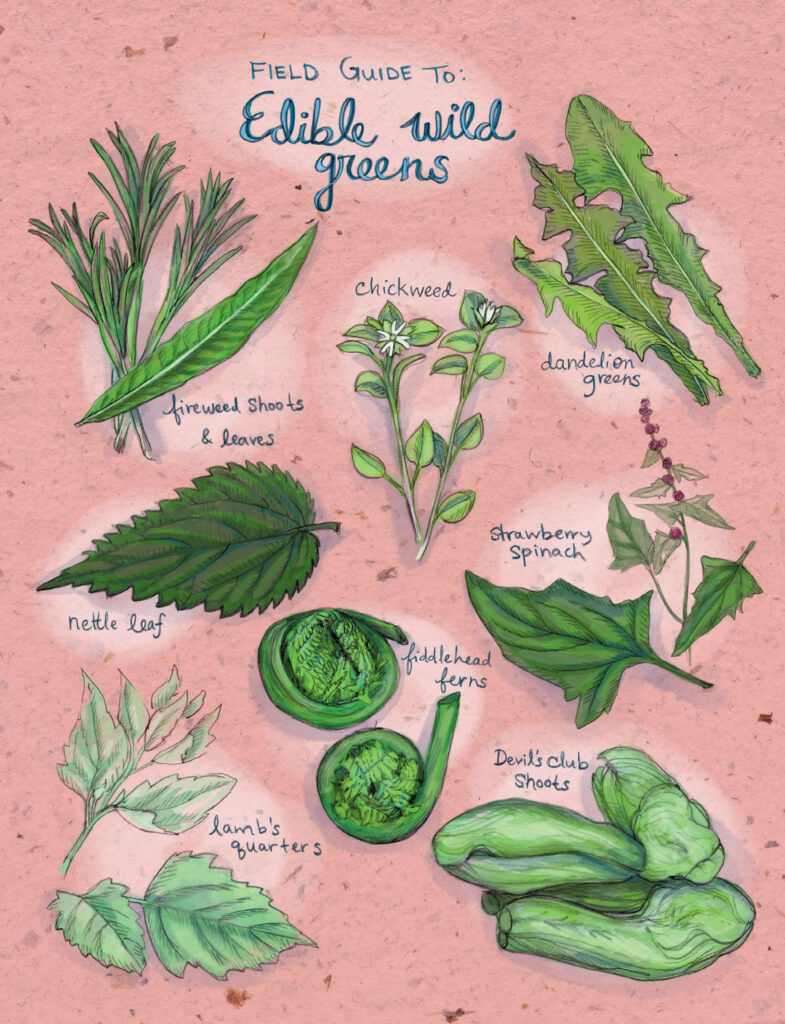
As we wander through the great outdoors, it’s easy to overlook the wealth of edible herbs that nature has to offer. These wild plants have been perfecting their recipes for centuries, without any artificial interventions from humans. And the best part? They’re free!
But did you know that many of the weeds we fight in our gardens are actually edible and nutritious? In this article, we’ll explore the world of wild edible herbs, covering everything from where to find them to how to identify and harvest them safely.
The Power of Wild Edible Herbs
Wild edible herbs are a concentrated source of vitamins and minerals. They’re the result of nature’s own experimentation, with plants evolving over time to produce the most nutritious compounds possible. And because they haven’t been tampered with by humans, they remain remarkably healthy and potent.
For example, wild garlic (Allium ursinum) is packed with vitamin C, potassium, and fiber, making it a great addition to salads and sauces. Wild chamomile (Matricaria chamomilla) has anti-inflammatory properties and can be used as a natural remedy for soothing skin irritations and calming digestive issues.
Finding Wild Edible Herbs in Nature
So where can you find these hidden gems? Look for them in areas that have been left undisturbed, such as:
- Abandoned fields
- Riverbanks and floodplains
- Woodland edges
- Trail sides
When searching for wild edible herbs, be mindful of the following factors:
- Timing: Ensure the plants are still young and tender.
- Habitat: Observe the plant’s growth stages (germoglio, adult plant, flower, seeds) to identify it easily amidst dense vegetation.
For instance, dandelion roots (Taraxacum officinale) thrive in disturbed areas with rich soil. Look for them growing alongside other plants in fields or gardens that have been recently cultivated.
Identifying and Harvesting Wild Edible Herbs
Before you start collecting, remember that different species have different edible parts. Here are some common ones:
- Leaves
- Stems
- Shoots
- Flowers
- Roots
- Tubers
- Bulbs
However, not all plants are safe to eat. Be sure to correctly identify each plant before harvesting.
For example, lookalike plants like poison hemlock (Conium maculatum) and wild carrot (Daucus carota) can be easily mistaken for edible species. Poison hemlock is highly toxic, while wild carrot is a nutritious addition to salads.
Portulaca: A Wild Edible Herb
One popular wild edible herb is portulaca (Portulaca oleracea), a summer-blooming plant whose leaves can be used in salads and paired with fresh tomatoes. The stems can also be pickled like capers.
To identify portulaca, look for its bright orange or yellow flowers, which bloom on tall stalks with rounded leaves that resemble a miniature succulent.
Wild Edible Herb Safety Precautions
When foraging for wild edible herbs, keep these guidelines in mind:
- Avoid areas near busy roads or sources of pollution.
- Steer clear of fields treated with pesticides and herbicides.
- Don’t collect plants that you’re not sure are safe to eat.
- Leave some plants to reproduce naturally, rather than harvesting everything at once.
- Start with small quantities and gradually increase your consumption as needed.
By following these precautions, you can enjoy the many health benefits of wild edible herbs while minimizing the risks associated with foraging.
Tips for Safe and Sustainable Wild Edible Herb Foraging
To ensure a healthy and sustainable relationship with wild edible herbs:
- Begin by identifying a few easily recognizable species and expand your collection over time.
- Harvest only what you need, leaving enough for the plants to thrive.
By adopting these principles, you can develop a deeper appreciation for the natural world and foster a more harmonious coexistence between humans and wild edibles.
Conclusion
Wild edible herbs offer a wealth of nutritional value and culinary delight. By understanding where to find them, how to identify and harvest them safely, and adopting sustainable foraging practices, you can unlock the full potential of these natural treasures.
Frequently Asked Questions (FAQs)
1. How do I know which wild edible herbs are safe to eat?
- Consult multiple field guides and expert sources to ensure accurate identification.
- Start with plants that have been extensively studied and documented as edible.
- Be cautious when introducing new plants to your diet, and gradually increase consumption over time.
For example, the Edible Wild Plant Guide by James Neilson provides comprehensive information on over 100 species of wild edibles found in North America. This field guide is an excellent resource for beginners and experienced foragers alike.
2. Can I grow wild edible herbs in my garden?
- Many species can be cultivated successfully, but research the specific needs of each plant before attempting to grow them.
- Consider using permaculture principles to create a diverse and thriving ecosystem in your garden.
Some popular wild edibles that thrive in gardens include mint (Mentha spp.), lemon balm (Melissa officinalis), and chamomile (Matricaria chamomilla).
3. How do I preserve wild edible herbs for later use?
- Dry or freeze plants immediately after harvesting to preserve their potency.
- Use proper food storage techniques, such as canning or dehydrating, to extend the shelf life of your harvest.
For instance, dried dandelion roots (Taraxacum officinale) can be stored in a cool, dark place for up to six months. Freeze-dried herbs like wild garlic (Allium ursinum) can be kept for up to two years in an airtight container.
4. Can I use wild edible herbs in cooking and baking?
- Research specific recipes that incorporate each plant’s unique flavor and nutritional profile.
- Experiment with different preparation methods, such as infusions, teas, and salads, to find the best way to enjoy each herb.
Wild edibles like portulaca (Portulaca oleracea) can be used in a variety of dishes, from soups to salads. Lemon balm (Melissa officinalis) pairs well with honey and yogurt, while chamomile (Matricaria chamomilla) is often used as an herbal tea.
5. Are there any allergies or interactions I should be aware of when consuming wild edible herbs?
- Consult with a healthcare professional before using new herbs, especially if you have pre-existing medical conditions or allergies.
- Be mindful of potential interactions between herbs and medications, as well as other foods or substances in your diet.
For example, wild carrot (Daucus carota) can cause allergic reactions in some individuals. If you’re planning to consume large quantities, start with small amounts and monitor your body’s response.
6. How can I support sustainable wild edible herb foraging practices?
- Join local foraging groups or workshops to learn from experienced foragers.
- Support organizations working to protect and restore natural habitats.
- Practice responsible harvesting techniques, such as leaving some plants to reproduce naturally, and minimizing waste.
By participating in these initiatives, you can help ensure the long-term sustainability of wild edible herb populations while supporting local communities and conservation efforts.
7. Can I use wild edible herbs in skincare products?
- Research the specific benefits of each herb for skin health and use them accordingly.
- Combine herbs with other natural ingredients, like oils and essences, to create customized skincare blends.
- Be cautious when using untested or unproven herbal remedies, and consult with a healthcare professional before using them.
Wild edibles like chamomile (Matricaria chamomilla) have anti-inflammatory properties that make them useful for soothing skin irritations. Lemon balm (Melissa officinalis), on the other hand, can help to brighten and even out skin tone.
8. How can I preserve the medicinal properties of wild edible herbs?
- Research proper drying, freezing, and storage techniques to maintain herb potency.
- Consider using cold-pressing or other methods to extract essential oils from plants.
- Store dried herbs in a cool, dark place to preserve their nutritional value.
By adopting these principles, you can ensure that the medicinal properties of wild edible herbs are preserved for future generations.
Conclusion
Wild edible herbs offer a wealth of natural health benefits and culinary delights. By embracing the world of wild edibles and adopting sustainable foraging practices, we can unlock the full potential of these natural treasures while minimizing our impact on the environment.
Remember to always identify plants carefully, harvest responsibly, and use common sense when consuming wild edibles. With patience, practice, and a willingness to learn, you can develop a deeper appreciation for the natural world and enjoy the many rewards that wild edible herbs have to offer.


