
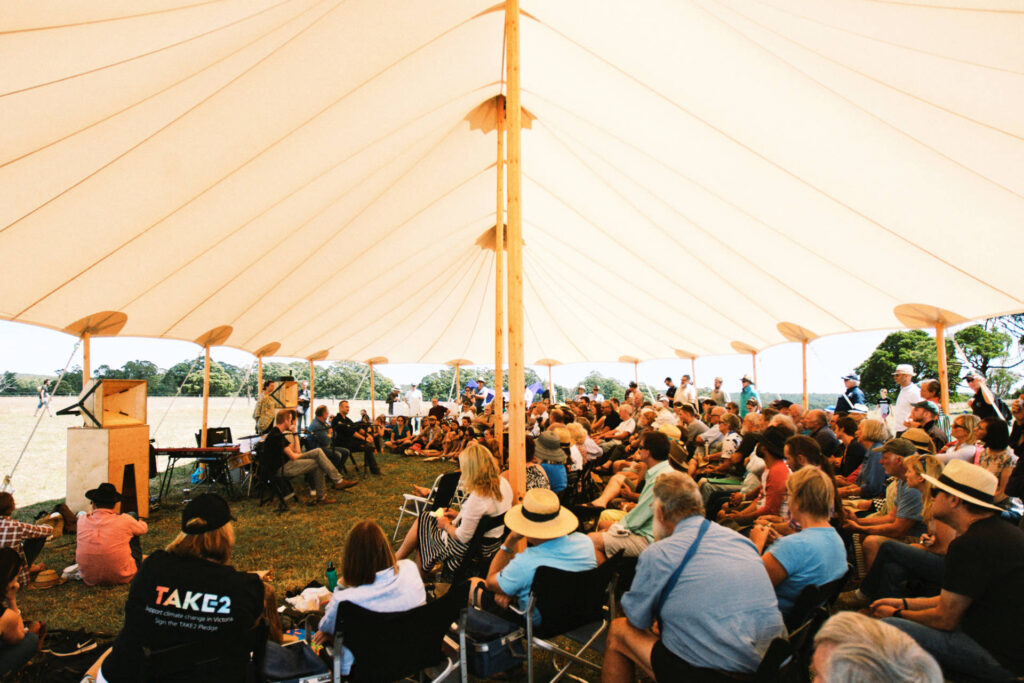
The path to a sustainable future is paved with renewable energy. By harnessing the power of nature, we can reduce our carbon footprint, ensure a cleaner environment, and secure a brighter tomorrow for generations to come. But is it possible for an entire world to be powered by clean energy? While we may not be there yet, small communities like Hepburn Wind Farm in Australia are taking steps towards making this vision a reality.
What is Hepburn Wind Farm?
Located in the countryside of Leonards Hills, near Daylesford, Victoria, Hepburn Wind Farm is the world’s first and largest community-owned wind farm. Comprising 195 members, this cooperative venture has been recognized globally for its pioneering efforts in renewable energy.
A Groundbreaking Achievement
In 2012, Hepburn Wind Farm won the prestigious World Wind Energy Award, cementing its status as a leading example of sustainable energy production. This achievement is a testament to the power of community-driven initiatives and the potential for collective action in the pursuit of a cleaner future.
The Journey to Sustainability
The journey to creating this remarkable wind farm was not without its challenges. Initially met with resistance from local residents concerned about the impact on the landscape and noise pollution, the Hepburn Wind Farm members persevered. With determination and collective effort, they overcame these obstacles and brought their vision to life.
A Community-Driven Approach
One of the key factors contributing to the success of Hepburn Wind Farm is its community-driven approach. The cooperative model ensures that every member has a say in decision-making processes, with each “head” counting as one vote, regardless of ownership shares. This democratic structure allows for a more equitable distribution of benefits and empowers the community to make decisions that benefit everyone.
A Thriving Ecosystem
The wind farm generates an astonishing 10 million kilowatt-hours (kWh) of electricity per year, enough to power 2,300 homes. The surplus energy is sold back to the grid, providing a steady income stream for the members. This not only supports the community financially but also showcases the viability and scalability of renewable energy.
Awards and Recognition
Hepburn Wind Farm has received numerous accolades, including:
- World Wind Energy Award 2012: Recognizing its innovative approach to renewable energy production.
- Climate Alliance Innovator Award 2010: Honoring its commitment to sustainability and innovation.
- Victorian Premier’s Sustainability Award 2011: Acknowledging its leadership in environmental stewardship.
A Model for Others
Hepburn Wind Farm serves as a model for other communities looking to adopt renewable energy solutions. With over 40 community-owned wind farms now operating in Australia, this pioneering project has paved the way for a more sustainable future.
In conclusion, Hepburn Wind Farm is an exemplary demonstration of what can be achieved when individuals come together to drive positive change. As we continue on our journey towards a cleaner, greener world, it’s essential to learn from the successes and challenges faced by innovative communities like Hepburn.
Frequently Asked Questions
- What inspired the creation of Hepburn Wind Farm?
The founding members of Hepburn Wind Farm were driven by a desire to reduce their carbon footprint and contribute to a more sustainable future. - How does the cooperative model work at Hepburn Wind Farm?
Each member has an equal say in decision-making processes, with every “head” counting as one vote, regardless of ownership shares. - What impact has Hepburn Wind Farm had on the local community?
The wind farm has generated significant economic benefits for the members and provided a positive example for sustainable energy production. - How does Hepburn Wind Farm contribute to renewable energy production?
The wind farm generates 10 million kWh of electricity per year, enough to power 2,300 homes. - What awards and recognition has Hepburn Wind Farm received?
The cooperative has won numerous awards, including the World Wind Energy Award and Climate Alliance Innovator Award. - How many community-owned wind farms are now operating in Australia?
Over 40 community-owned wind farms have been established since Hepburn Wind Farm set the precedent. - What lessons can be learned from Hepburn Wind Farm’s success?
The cooperative model, commitment to sustainability, and innovative approach to renewable energy production serve as valuable lessons for others looking to adopt similar solutions. - How can individuals contribute to a more sustainable future?
By embracing renewable energy sources, supporting community-driven initiatives like Hepburn Wind Farm, and advocating for environmental policies that prioritize sustainability.
The Future of Renewable Energy
As we move forward in our quest for a cleaner, greener world, it’s essential to recognize the potential of innovative communities like Hepburn Wind Farm. By learning from their successes and challenges, we can create a brighter future for generations to come. The journey towards a sustainable future is ongoing, but with community-driven initiatives like Hepburn Wind Farm leading the way, we are one step closer to achieving our goal.
Renewable Energy: A Key Component of Sustainable Development
Renewable energy plays a crucial role in sustainable development, offering numerous benefits for the environment and human societies. By harnessing natural resources such as solar, wind, and hydro power, we can reduce our reliance on fossil fuels and mitigate the impacts of climate change.
Challenges Ahead
While Hepburn Wind Farm has set an impressive example for renewable energy production, there are still challenges to be addressed. These include:
- Scalability: While community-owned wind farms like Hepburn have shown promise, scaling up renewable energy production to meet global demands will require significant investment and innovation.
- Energy Storage: The integration of intermittent renewable energy sources into the grid requires efficient energy storage solutions to ensure a stable power supply.
- Policy Support: Strong policy support is necessary to create an enabling environment for renewable energy development, including incentives for investment, research, and development.
Conclusion
Hepburn Wind Farm has paved the way for a more sustainable future by showcasing the potential of community-driven initiatives in renewable energy production. As we continue on our journey towards a cleaner, greener world, it’s essential to learn from their successes and challenges and address the challenges ahead. By embracing innovative solutions, investing in research and development, and advocating for policy support, we can create a brighter future for generations to come.
Glossary of Terms
- Cooperative model: A business model where members pool their resources and work together to achieve common goals.
- Community-driven approach: An approach that prioritizes community involvement and participation in decision-making processes.
- Renewable energy production: The process of generating electricity from natural resources such as solar, wind, and hydro power.
- Sustainable development: A process that balances economic growth with environmental protection and social equity.
- Scalability: The ability to increase production or output while maintaining quality and efficiency.
References
- Hepburn Wind Farm. (2022). About Us. Retrieved from https://www.hepburnwindfarm.com.au/about/
- World Wind Energy Association. (2022). Awards & Recognition. Retrieved from https://www.wwindea.org/awards-recognition/
- Climate Alliance. (2022). Innovator Award. Retrieved from https://climatealliance.org.au/innovator-award/
Additional Resources
- Renewable Energy Australia. (2022). Community Wind Farms. Retrieved from https://renewableenergyaustralia.com/community-wind-farms/
- Australian Government Department of the Environment and Energy. (2022). Renewable Energy Policy. Retrieved from https://www.energy.gov.au/renewable-energy-policy
This article is a comprehensive overview of Hepburn Wind Farm, highlighting its pioneering efforts in renewable energy production and sustainable development. By exploring the cooperative model, community-driven approach, and innovative solutions employed by this remarkable wind farm, readers can gain insights into the potential for community-driven initiatives to shape our future.


