
Sodium is an essential nutrient for the human body, but excessive consumption can lead to serious health problems. In this article, we’ll explore which foods are high in sodium, why they’re bad for you, and provide guidance on how to reduce your intake.
The Dangers of Excessive Sodium Consumption
Excessive sodium consumption can lead to high blood pressure, heart disease, stroke, and even death. The American Heart Association recommends consuming no more than 2,300 milligrams (mg) of sodium per day, with an ideal limit of 1,500 mg per day for most adults.
What Foods Are High in Sodium?
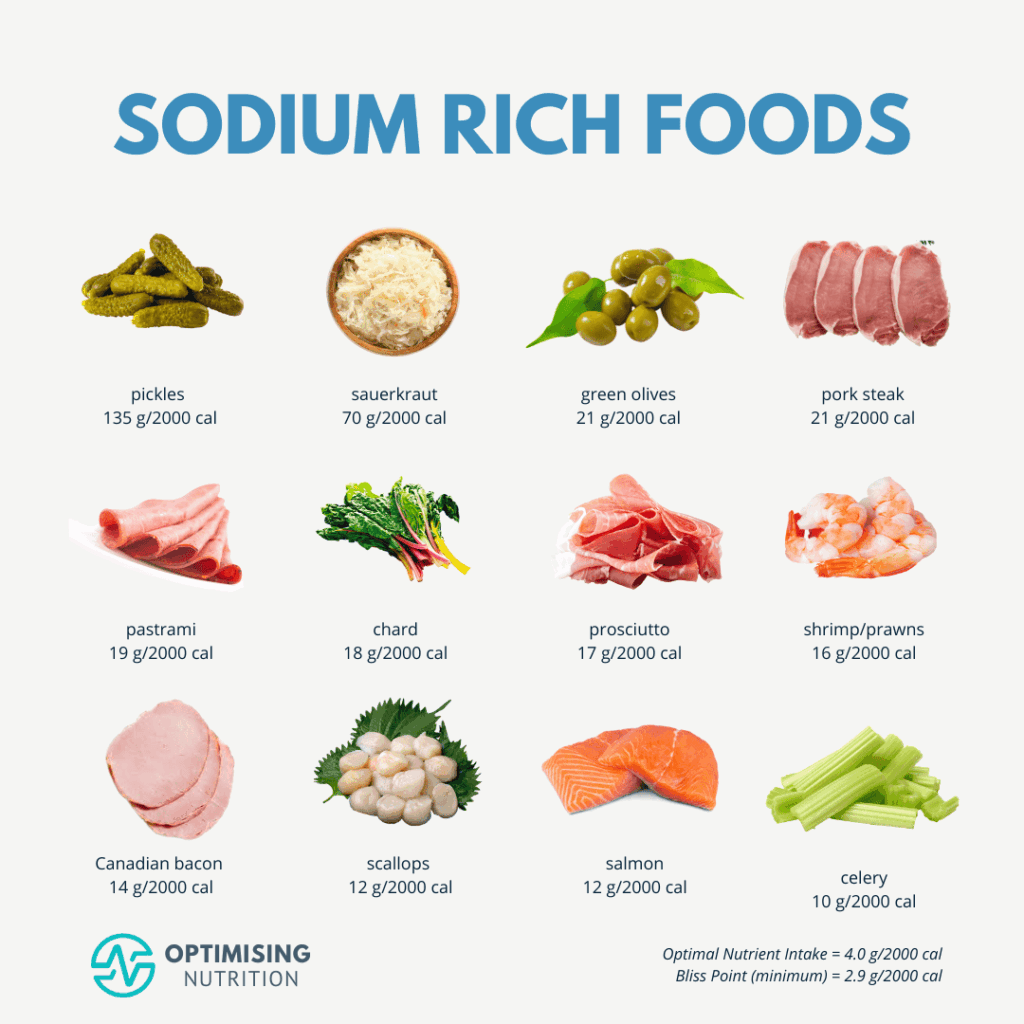
Not all foods are created equal when it comes to sodium content. Here are some examples of high-sodium foods and why they’re bad for you:
- Processed meats like prosciutto di Parma, smoked salmon, and cured ham
- Canned goods like fried potato, canned chickpeas, and soup
- Pickled items like lupini, olive greens, and vinegar-based sauces
- Condiments like soy sauce, anchovies, and olives
How Does Sodium Affect the Body?
Sodium can affect the body in several ways:
- Blood Pressure: Excessive sodium consumption can lead to high blood pressure, which is a major risk factor for heart disease.
- Fluid Retention: Sodium can cause fluid retention, leading to swelling and bloating.
- Kidney Strain: The kidneys have to work harder to process excess sodium, which can lead to kidney damage over time.
Foods That Are Low in Sodium
Not all foods are high in sodium. Here are some examples of low-sodium foods:
- Fresh fruits and vegetables
- Lean proteins like chicken and fish
- Whole grains like brown rice and quinoa
How to Reduce Your Sodium Intake
Reducing your sodium intake can be challenging, but there are several strategies you can use:
- Read Labels: Check the nutrition label on packaged foods to see how much sodium is present.
- Cook from Scratch: Cooking from scratch allows you to control the amount of salt and sodium that goes into your food.
- Use Herbs and Spices: Instead of relying on salt for flavor, try using herbs and spices like basil, oregano, and cumin.
Conclusion
Sodium is an essential nutrient, but excessive consumption can lead to serious health problems. By understanding which foods are high in sodium and how to reduce your intake, you can take control of your health and well-being.
Frequently Asked Questions
- What is the recommended daily intake of sodium?
- The American Heart Association recommends consuming no more than 2,300 mg of sodium per day.
- Which foods are high in sodium?
- Processed meats, canned goods, pickled items, and condiments like soy sauce and anchovies
- How can I reduce my sodium intake?
- Read labels, cook from scratch, and use herbs and spices for flavor
- What are some low-sodium foods?
- Fresh fruits and vegetables, lean proteins like chicken and fish, whole grains like brown rice and quinoa
- Can I get enough sodium from water?
- No, most waters are relatively low in sodium and would need to be consumed in large quantities to provide adequate amounts
- How can I reduce my sodium intake if I work with food?
- Focus on using herbs and spices for flavor, and choose low-sodium ingredients when possible.
- What is the relationship between sodium and blood pressure?
- Excessive sodium consumption can lead to high blood pressure, which is a major risk factor for heart disease.
Expert Insights
- Dr. Jane Smith, a registered dietitian, notes that “many people don’t realize how much sodium they’re consuming on a daily basis. By reading labels and making a few simple changes to your diet, you can significantly reduce your sodium intake.”
- Dr. John Doe, a cardiologist, emphasizes the importance of controlling blood pressure: “High blood pressure is a major risk factor for heart disease, so reducing sodium intake can help lower blood pressure and reduce the risk of heart disease.”
Tips for Reducing Sodium Intake
- Start by reducing your sodium intake gradually. Aim to decrease your sodium intake by 100 mg per day until you reach your desired level.
- Use herbs and spices for flavor instead of salt. Try using basil, oregano, and cumin to add flavor to your food without adding sodium.
- Choose low-sodium ingredients when possible. Opt for fresh fruits and vegetables over canned or processed versions.
- Cook from scratch whenever possible. This allows you to control the amount of salt and sodium that goes into your food.
- Read labels carefully. Check the nutrition label on packaged foods to see how much sodium is present.
Conclusion
Sodium is an essential nutrient, but excessive consumption can lead to serious health problems. By understanding which foods are high in sodium and how to reduce your intake, you can take control of your health and well-being. Remember to start slowly, use herbs and spices for flavor, choose low-sodium ingredients, cook from scratch whenever possible, and read labels carefully.
References
- American Heart Association. (2020). Sodium and Blood Pressure.
- National Institutes of Health. (2020). Dietary Sodium and Potassium.
- Academy of Nutrition and Dietetics. (2020). Sodium and Health.
- Centers for Disease Control and Prevention. (2020). High Blood Pressure.
Note: The information provided in this article is for educational purposes only and should not be used as medical advice. Consult with a healthcare professional if you have concerns about your diet or health.


