
Introduction
The traditional carnival is a beloved celebration among children, where we can indulge in fantasy and create unforgettable memories. However, this festive occasion often results in a significant amount of waste, including paper and other materials. But why not involve our little ones in creating a colorful and joyful carnival that doesn’t sacrifice the environment? With a few simple ideas and some creativity, you can make your carnival more eco-friendly without sacrificing any fun.
In recent years, there has been an increasing awareness about the importance of sustainability and reducing waste. As parents, we want to ensure that our children learn the value of taking care of the planet while still having a blast celebrating special occasions like carnivals. In this article, we will explore some creative ways to make your carnival more eco-friendly, from making masks and decorations to choosing zero-waste treats.
1. Making Eco-Friendly Masks
For convenience and ease of use, buying pre-made costumes can be tempting, but often result in plastic and synthetic materials that may not last long or fit well. Instead, consider asking friends if they have a costume you can borrow or lend yours to them, creating a mask-swapping exchange between children who grow up and change their tastes.
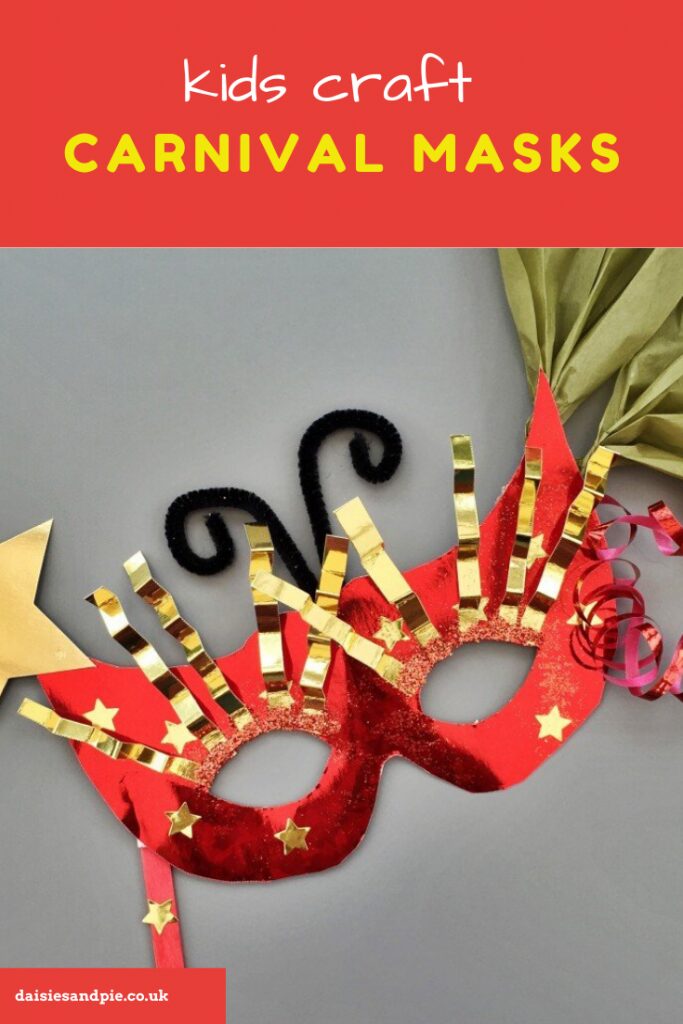
Another great option is to create your own masks at home using recycled materials such as old clothes, cardboard milk cartons, postcard boxes, bottles, newspaper, old sheets, and yarn. This not only reduces waste but also encourages creativity and engagement from your children.
One simple mask idea is a spring mask made from colored cardboard with butterfly wings and holes for eyes. You can sew or tie an old sheet or tunic around the child’s body and decorate it with buttons and some needlework.
Another creative option is to make masks inspired by animals, such as a cactus mask, which requires large amounts of cardboard, dipped in green paint on the child’s face. Spines can be made from sticks, cartons or strips of paper that need to be raised for the cactus effect.
Tips for Making Eco-Friendly Masks
- Use old materials you have at home to reduce waste and save money.
- Encourage your children to get creative with their designs and use natural materials like leaves, twigs, and flowers.
- Consider using recycled materials like cardboard tubes, egg cartons, or toilet paper rolls to create unique shapes and textures.
- Make sure the mask is comfortable and secure for your child to wear.
2. Eco-Friendly Carnival Tricks
For painting children’s faces, we need eco-friendly makeup products that are difficult to find at home but can be sourced online. You can choose natural ingredients like barberry juice or shea butter-based makeup products from organic stores or herbal shops.
When choosing an eco-friendly makeup product, look for the following:
- Natural ingredients like plant extracts, essential oils, and minerals.
- Non-toxic and hypoallergenic formulas that are safe for children’s skin.
- Biodegradable packaging materials that can be recycled or composted.
3. Zero-Waste Treats for an Eco-Friendly Carnival
A carnival without sweets is not a carnival, but what about the environmental impact of those treats? Let’s make them using zero-kilometer ingredients, such as biologically grown flour, whole-wheat pasta, and organic food purchased from bio-stores.
Some creative zero-waste treat ideas include:
- Making your own popcorn balls using biologically grown corn and natural dyes.
- Creating homemade candy using coconut sugar, dates, and other natural sweeteners.
- Serving refreshing drinks made with fresh fruits and herbs like lemonade or infused water.
Tips for Making Zero-Waste Treats
- Choose biologically grown ingredients to reduce your carbon footprint and support sustainable agriculture.
- Use natural sweeteners like honey, maple syrup, or coconut sugar to reduce refined sugars.
- Consider using reusable containers and bags to reduce single-use plastics.
4. Decorations for an Eco-Friendly Carnival
Coriander decorations are iconic in the traditional carnival, but buying a large amount is unnecessary. Instead, try making your own coriander with the help of your child by cutting out shapes from old newspapers.
There are many creative ways to decorate your home and create colorful scenes using cardboard boxes, bottles, cans, scissors, glue, string, glitter, etc.
Some eco-friendly decoration ideas include:
- Making lanterns using recycled materials like paper bags, straws, or cardboard tubes.
- Creating a DIY photo booth with natural props like leaves, flowers, and branches.
- Hanging up homemade banners made from recycled materials like old maps, newspaper clippings, or fabric scraps.
Tips for Making Eco-Friendly Decorations
- Use recycled materials to reduce waste and save money.
- Encourage your children to get creative with their designs and use natural materials like leaves, twigs, and flowers.
- Consider using energy-efficient lighting sources like candles, LED lights, or solar-powered lanterns.
5. Eco-Friendly Carnival Books
For a carnival that appreciates nature, Chiara Carminati’s book “The Carnival of Animals” is perfect. Illustrated by Roberta Angaramo, this storybook tells an irresistible animal parade inspired by Camille Saint-Saëns’ music. This colorful and entertaining book is read with your children until they’re 6 years old.
For fans of Geronimo Stilton’s series, there’s also “Carnival in Venice” where his sister becomes the special correspondent for Eco Roditore and goes to Venice to cover a new exciting story.
Reading books that celebrate nature and sustainability can help inspire your child to care about the environment. Look for books with colorful illustrations, engaging stories, and eco-friendly themes.
Tips for Choosing Eco-Friendly Books
- Choose books with natural and sustainable themes like conservation, renewable energy, or environmentalism.
- Encourage your children to read about different animals, plants, and ecosystems to foster a sense of wonder and appreciation for nature.
- Consider reading books that promote recycling, reducing waste, and conserving resources.
Conclusion
Celebrating an eco-friendly carnival is not only good for the environment but also a great way to spend quality time with your children. With a little creativity and some recycled materials, you can create a colorful and joyful carnival that doesn’t sacrifice the planet. So, let’s get started and make this year’s carnival one to remember!
FAQs
- Q: How can I make eco-friendly masks for my child?
A: You can use recycled materials such as old clothes, cardboard milk cartons, postcard boxes, bottles, newspaper, old sheets, and yarn to create fun and creative designs. - Q: What are some eco-friendly makeup products that I can use for painting children’s faces?
A: Natural ingredients like barberry juice or shea butter-based makeup products from organic stores or herbal shops are great options. - Q: How can I make zero-waste treats for my child?
A: Use biologically grown flour, whole-wheat pasta, and organic food purchased from bio-stores to create delicious and sustainable treats. - Q: What are some creative ways to decorate your home for an eco-friendly carnival?
A: Use cardboard boxes, bottles, cans, scissors, glue, string, glitter, etc. to create colorful scenes and decorations. - Q: Can I use pre-made costumes for my child’s carnival mask?
A: While buying pre-made costumes can be tempting, consider using recycled materials or making your own masks at home to reduce waste and encourage creativity. - Q: What books are perfect for a nature-loving carnival?
A: Chiara Carminati’s book “The Carnival of Animals” is a great option, as well as Geronimo Stilton’s series, which features an eco-friendly storyline in “Carnival in Venice”. - Q: How can I make my carnival more sustainable?
A: Use recycled materials, reduce waste, and choose eco-friendly products to create a fun and sustainable celebration. - Q: Can I involve my child in the process of making eco-friendly masks and decorations?
A: Absolutely! Engaging your child in the creative process will not only teach them about sustainability but also encourage their creativity and imagination.


