
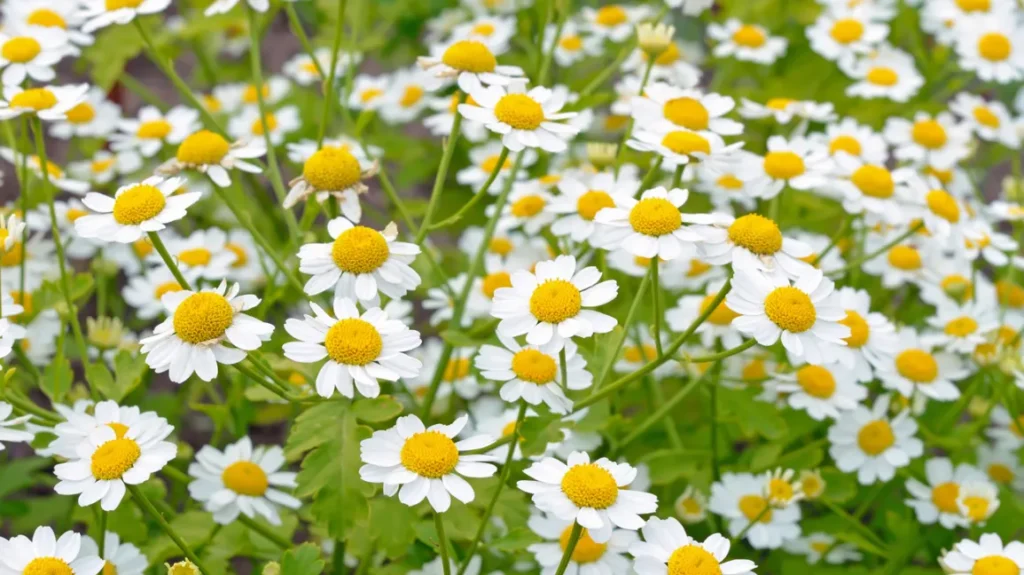
What is Partenio?
Partenio, also known as feverfew, is a flowering plant with a rich history of medicinal use. Native to Europe and Asia, it has been used for centuries to treat various ailments, from headaches to arthritis. In this article, we will delve into the properties, uses, and benefits of Partenio, exploring its role in omeopathy, fitoterapy, and modern medicine.
A Brief History of Partenio
The name “Partenio” originates from the Latin word “febrifugia,” meaning fever-reducing. This ancient knowledge has been passed down through generations, with the plant being used to alleviate symptoms associated with feverish conditions. In English-speaking countries, it is commonly known as feverfew.
Properties of Partenio
Partenio boasts a range of properties that make it an effective remedy for various health issues:
- Antispasmodic and anti-inflammatory: The plant’s active compounds, flavonoids, sesquiterpenes, and phenolic acids, work together to reduce muscle contractions and inflammation.
- Emmenagogue and tonic: Partenio is known to stimulate menstrual flow and promote overall tonification of the body.
- Antispastic: The plant’s properties can help alleviate spasm-related disorders, such as those associated with arthritis.
Using Partenio in Omeopathy
In omeopathy, Partenio is used to treat a variety of conditions, including:
- Headaches and migraines: The plant’s antispasmodic properties make it an effective natural remedy for alleviating headache symptoms.
- Arthritis and joint pain: Partenio’s anti-inflammatory properties can help reduce inflammation and alleviate joint pain.
Fitoterapy and Modern Medicine
Partenio has also been studied in the field of fitoterapy, with research focusing on its potential as a cancer treatment. The plant’s active compounds have shown promise in inhibiting tumor growth and proliferation.
Culinary Uses of Partenio
While not commonly used as a spice or herb, Partenio does find its way into some traditional recipes:
- Fritters and desserts: In the Veneto region, Partenio is used to make sweet fritters and desserts.
- Aroma for meat dishes: The plant’s fragrance is often used to add depth to meat-based sauces and condiments.
Precautions and Side Effects
Before using Partenio, it is essential to be aware of the following:
- Allergies: Individuals with allergies to other plants in the Tanacetum genus or Asteraceae family should avoid taking Partenio.
- Pregnancy and breastfeeding: The plant’s safety during pregnancy and breastfeeding has not been thoroughly studied; as a precaution, it is recommended to consult a healthcare professional before use.
- Interactions with medications: Partenio may interact with anticoagulant medications, increasing the risk of bleeding.
Conclusion
Partenio, or feverfew, is a plant with a rich history of medicinal use. Its properties make it an effective remedy for various health issues, from headaches to arthritis. While its culinary uses are less common, the plant’s fragrance and flavor can add depth to traditional recipes.
By understanding the benefits and potential side effects of Partenio, individuals can harness its power to improve their overall well-being.
FAQs
- What is the scientific name of Partenio?
- The scientific name for Partenio is Tanacetum parthenium.
- Is Partenio safe for consumption?
- While Partenio has been used in traditional medicine, its safety as a food ingredient has not been thoroughly studied. As a precaution, it is recommended to consult a healthcare professional before consumption.
- Can Partenio be used during pregnancy and breastfeeding?
- Due to the lack of research on Partenio’s safety during pregnancy and breastfeeding, it is recommended to consult a healthcare professional before use.
- Does Partenio interact with medications?
- Yes, Partenio may interact with anticoagulant medications, increasing the risk of bleeding.
Further Research and Potential Applications
The potential applications of Partenio are vast, with further research needed to fully explore its benefits:
- Cancer treatment: Continued studies on Partenio’s anti-tumor properties could lead to the development of new cancer treatments.
- Neuroprotection: The plant’s antispasmodic and anti-inflammatory properties may also offer protection against neurodegenerative diseases, such as Alzheimer’s and Parkinson’s.
Conclusion
In conclusion, Partenio is a versatile plant with a rich history of medicinal use. Its properties make it an effective remedy for various health issues, from headaches to arthritis. By understanding the benefits and potential side effects of Partenio, individuals can harness its power to improve their overall well-being.
As research continues to uncover the secrets of Partenio, it is likely that this ancient plant will become increasingly prominent in modern medicine and omeopathy.
References
- American Herbal Products Association. (2022). Feverfew (Tanacetum parthenium).
- American Herbal Products Association.
- European Medicines Agency. (2019). Tanacetum parthenium.
- European Medicines Agency.
- National Center for Complementary and Integrative Health. (2020). Feverfew.
- National Center for Complementary and Integrative Health.
Disclaimer
The information provided in this article is for educational purposes only. It should not be used as a substitute for professional medical advice or treatment.


