
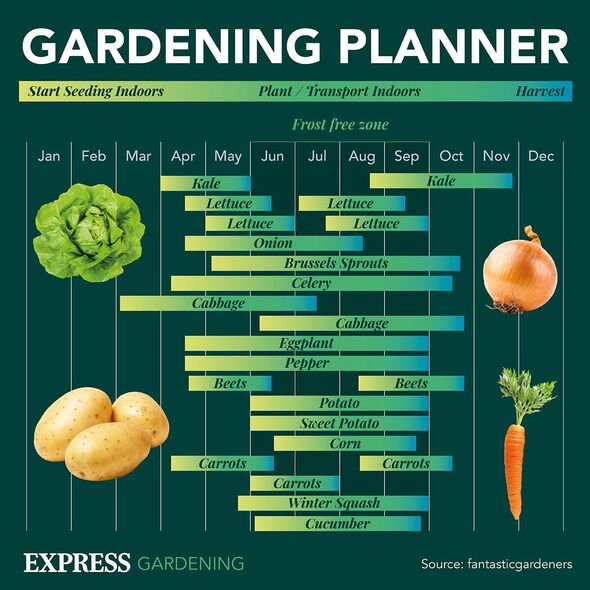
As autumn arrives, many gardeners wonder what vegetables and fruits are best suited for planting or sowing in the fall. In this article, we’ll explore the various options available during September and October, providing you with a comprehensive guide on how to optimize your gardening efforts.
Understanding Autumn Gardening Conditions
September and October mark the beginning of autumn, characterized by cooler temperatures and increased precipitation. This transition period presents an excellent opportunity to plant a variety of crops that thrive in these conditions.
What to Grow in September
During this period, you can sow seeds or transplant established plants in your garden. Some popular options include:
- Barley
- Rye
- Oats
- Carrots (including the rare and nutritious ‘carota viola’)
- Beets (both white and red)
- Chard
- Spinach
- Kale
- Radishes
- Turnips
- Rutabaga
- Cabbage
- Cauliflower
- Broccoli
These crops can be planted directly in the ground, and they will benefit from the cooler temperatures and increased moisture.
Mussel Makers: Planting Mushrooms
If you’re interested in foraging for wild mushrooms or cultivating them at home, September is an excellent time to start. Certain varieties like chanterelles, oyster mushrooms, and black trumpet mushrooms can be planted directly into the ground, while others may require a controlled environment.
- Mushroom Cultivation: Before planting, make sure you have the right equipment and knowledge. You’ll need a mushroom growing kit or a controlled environment to provide the necessary conditions for growth.
- Choosing Varieties: Select varieties that are suitable for your climate and experience level. Some mushrooms, like oyster mushrooms, can be grown on logs, while others, like chanterelles, require specific soil conditions.
- Planting Methods: Plant mushroom spores or spawn in the ground, following the instructions provided with your growing kit.
Preparing the Soil for Planting
Before planting, make sure your soil is well-draining and fertile. Add organic matter like compost or manure to improve its structure and fertility.
- Soil Testing: Test your soil pH and nutrient levels to determine if any amendments are needed.
- Adding Organic Matter: Mix in compost or manure to create a nutrient-rich soil that will support healthy plant growth.
- Mulching: Mulch around newly planted crops to retain moisture and suppress weeds.
Mussel Makers: Fungi for Food
Some edible fungi can be planted directly in the ground, while others require a controlled environment. For example:
- Chanterelle Mushrooms: These wild mushrooms can be found growing in clusters on the forest floor.
- Oyster Mushrooms: Oyster mushrooms are commonly cultivated on logs or stumps.
- Black Trumpet Mushrooms: Black trumpet mushrooms have a unique, trumpet-shaped cap and can be grown in a controlled environment.
Fall Gardening Tasks
As the seasons change, it’s essential to perform regular maintenance tasks to ensure your garden continues to thrive. Some tasks include:
- Pruning and Training Plants: Prune and train plants regularly to maintain their shape and promote healthy growth.
- Mulching or Composting Crop Waste: Mulch or compost crop waste to retain moisture and suppress weeds.
- Monitoring for Pests and Diseases: Monitor your garden regularly for signs of pests and diseases, taking action promptly if necessary.
Seasonal Tasks:
In addition to the specific tasks mentioned earlier, consider the following seasonal activities:
- Clean Up: Clear away debris and fallen leaves from your garden before winter sets in.
- Protect Crops: Protect sensitive crops from frost damage by covering them with a blanket or sheet.
Conclusion
September offers a wide range of opportunities for gardening, from planting seeds to transplanting established crops. By understanding the conditions and requirements of each plant variety, you can optimize your garden’s productivity and enjoy a bountiful harvest.
By following these guidelines, you’ll be well on your way to creating a thriving fall garden that will provide you with delicious fruits and vegetables all season long.


