
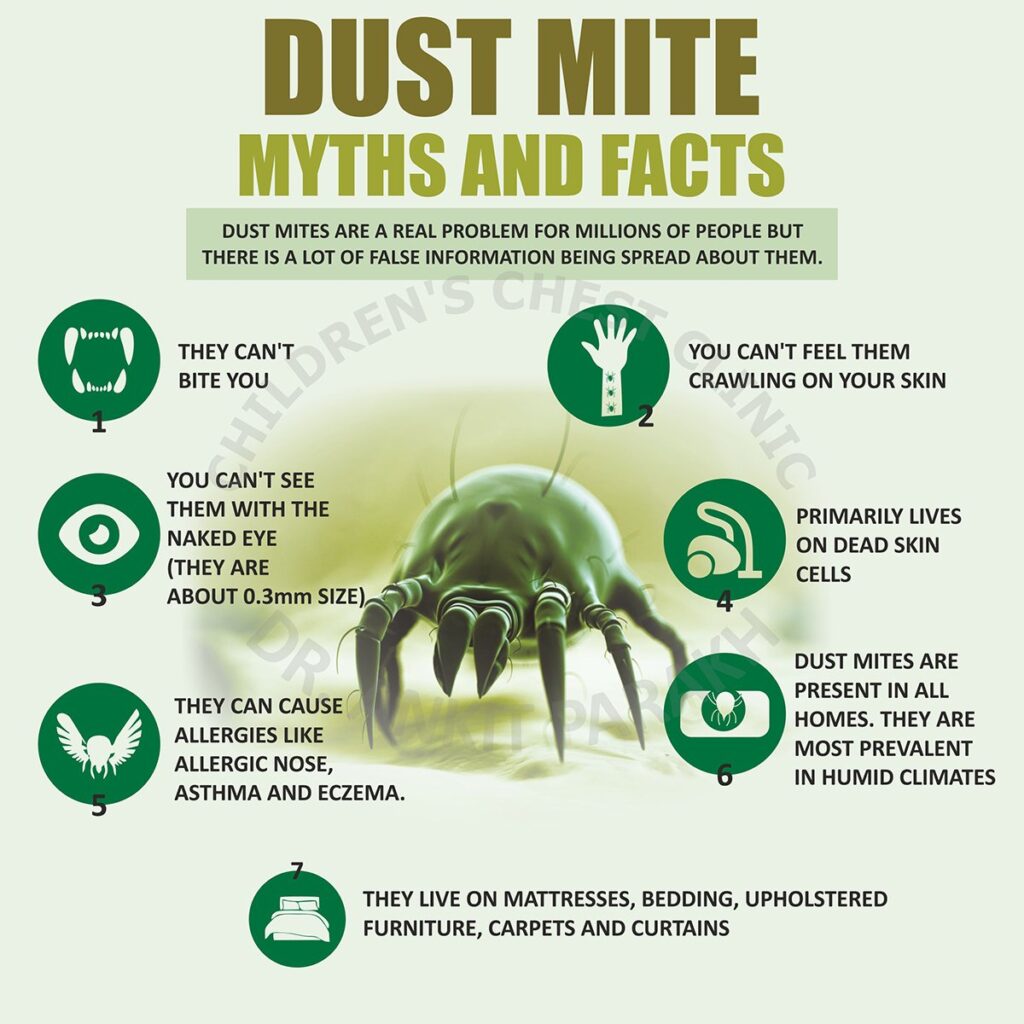
Understanding the Risks of Dust Mite Allergies
Dust mites are one of the most common allergens responsible for respiratory issues. They account for 75% of dust-borne allergies, and their presence can lead to a range of symptoms beyond just respiratory problems. If you’re wondering whether you have an allergy to dust mites, let’s explore what you need to know.
What Are Dust Mites?
Dust mites are tiny creatures that feed on the organic matter in your home’s dust. They produce waste products that contain enzymes, which can trigger allergic reactions in some people. These waste products are not just found in the dust itself but also in the residue of food and other materials left behind by these microscopic creatures.
How Many Dust Mites Live in Your Home?
The sheer number of dust mites living in your home is staggering. Estimates suggest that there can be anywhere from 100 to 500 dust mites per every gram of dust. This means that even with regular cleaning, it’s easy for these allergenic creatures to thrive.
How Do Dust Mites Reproduce?
Dust mites reproduce rapidly, producing thousands of eggs and many more young in a short period. In just 10 weeks, a single dust mite can produce up to 2,000 waste particles that contain the allergens responsible for your symptoms.
Symptoms of Dust Mite Allergies
If you have an allergy to dust mites, you may experience a range of respiratory issues, including:
- Asma
- Rinite allergica
- Tosse secca
- Prurito
- Dermatite
In some cases, the symptoms can also manifest as skin reactions, such as redness and itching. The nasal passages are particularly sensitive to dust mites, leading to frequent pruritus (itching) and discomfort.
How Can You Tell If You Have a Dust Mite Allergy?
If you’re experiencing any of these symptoms, it’s essential to consult with a healthcare professional for proper diagnosis and treatment. They may recommend:
- A skin prick test
- Blood tests
These tests can help determine whether your symptoms are indeed caused by dust mites.
Factors That Can Exacerbate Dust Mite Allergy Symptoms
While dust mites themselves may not be the primary cause of your allergy, certain environmental factors can exacerbate symptoms. These include:
- Avoiding domestic cleaning products
- Staying away from smoke from cigarettes
- Maintaining good ventilation
- Keeping temperatures and humidity levels under control
Treating Dust Mite Allergies
If you’ve been diagnosed with a dust mite allergy, the first step towards treatment is to reduce your exposure to these allergenic creatures. Here are some steps you can take:
- Clean regularly: Use a vacuum cleaner with a HEPA filter and wash fabrics in hot water.
- Remove clutter and dust-gathering items from your home
- Reduce moisture levels to prevent dust mites’ reproduction
Using Acaricidal Products Effectively
In addition to regular cleaning, using acaricidal products can be an effective way to control dust mite populations. When choosing a product, consider the following:
- Choose products with active ingredients that target dust mites specifically
- Follow instructions carefully for application and dosage
- Consider using natural or organic options
Frequently Asked Questions
- What are the most common allergens responsible for respiratory issues?
Dust mites account for 75% of dust-borne allergies, making them a significant contributor to respiratory problems. - How can I reduce my exposure to dust mites?
Regular cleaning with a HEPA-filter vacuum cleaner and washing fabrics in hot water are essential steps towards reducing your exposure. - Are there any natural ways to eliminate dust mites from my home?
Yes, using diatomaceous earth or essential oils like lavender and tea tree oil can help repel dust mites without the need for chemicals. - How often should I use acaricidal products?
Follow the manufacturer’s instructions for application frequency and dosage to ensure effective control of dust mite populations.
By understanding the risks associated with dust mite allergies and taking steps to reduce your exposure, you can breathe easier and live a healthier life.
Dietary Changes
In addition to reducing exposure to dust mites, making some dietary changes can also help alleviate symptoms. These include:
- Consuming foods rich in omega-3 fatty acids
- Eating antioxidant-rich foods
- Avoiding foods that trigger allergic reactions
Lifestyle Modifications
Making certain lifestyle modifications can also help reduce symptoms and improve overall health. These include:
- Maintaining a healthy weight to reduce inflammation
- Exercising regularly to improve lung function
- Getting enough sleep to reduce stress


