
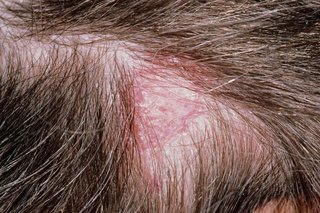
Ringworm of the scalp is a common skin infection that affects millions of people worldwide. Despite its name, it is not caused by a worm, but rather by a fungus that infects the hair follicles. In this article, we will delve into the symptoms, causes, diagnosis, treatment options, and home remedies for ringworm of the scalp.
What is Ringworm of the Scalp?
Ringworm of the scalp, also known as tinea capitis, is an infection of the hair follicles caused by a dermatophyte fungus. The name “ringworm” comes from the characteristic ring-like shape that the infected skin may form. This condition can be challenging to treat and may lead to significant emotional distress if left untreated.
Symptoms of Ringworm of the Scalp
The symptoms of ringworm of the scalp can vary from person to person, but common signs include:
- Redness and inflammation around the affected area
- Crusting or scabbing on the skin
- Itching or a burning sensation in the scalp
- Hair loss, particularly in children
- Swollen lymph nodes in the neck region
In severe cases, ringworm of the scalp can lead to more serious complications, such as:
- Secondary bacterial infections that can cause further inflammation and scarring
- Permanent hair loss if left untreated
- Emotional distress due to self-consciousness about appearance
Causes of Ringworm of the Scalp
Ringworm of the scalp is caused by dermatophytes, a type of fungus that can be found on humans, animals (especially domestic pets), and even in soil. The spores of these fungi can be transmitted through contact with an infected person or animal, contaminated hair, or objects like combs and brushes.
In order for the fungus to cause an infection, it typically needs a minor injury to the scalp, such as cuts or scratches. Once inside the skin or hair shaft, the fungus invades and consumes the keratin protein, leading to the characteristic symptoms of ringworm.
Is Ringworm of the Scalp Contagious?
Yes, ringworm of the scalp is contagious. The spores of the fungus can be transmitted through direct contact with an infected person or animal, as well as through contaminated objects like combs and brushes. It’s essential to practice good hygiene and avoid sharing personal care items with others who have a fungal infection.
Diagnosis of Ringworm of the Scalp
In many cases, a doctor can diagnose ringworm of the scalp by examining the patient and asking questions about symptoms. A special lamp that emits ultraviolet light can also be used to detect the characteristic fluorescent band on the hair shaft, which is indicative of the presence of Microsporum fungus.
While a diagnosis can often be made through observation and questioning, a biopsy may be necessary in some cases to confirm the infection. In these situations, a sample of skin or hair is examined under a microscope for the presence of fungal spores.
Treatment of Ringworm of the Scalp
In most cases, ringworm of the scalp will clear up on its own without treatment. However, it’s recommended that you consult a doctor to receive a personalized diagnosis and treatment plan. The doctor may prescribe an oral antifungal medication to treat the infection.
Antifungal medications work by killing the fungal spores that cause the infection. The most commonly prescribed medications include:
- Terbinafine (Lamisil)
- Itraconazole (Sporanox)
- Griseofulvin (Fungin)
In addition to oral antifungal medication, a medicated shampoo containing ingredients like selenium sulfide or zinc pyrithione can be used to help control the spread of spores and reduce itching.
Home Remedies: What Works and What Doesn’t
While some home remedies may seem appealing, they are not effective in treating ringworm of the scalp. Acetic acid and tea tree oil, for example, can irritate the skin and make symptoms worse.
Instead of trying unproven remedies, it’s best to consult a doctor or dermatologist who can provide personalized treatment recommendations. They will help you develop a comprehensive plan to clear up the infection and restore your hair to its healthy state.
Some popular home remedies that have been tried by people with ringworm of the scalp include:
- Applying apple cider vinegar to the affected area
- Using coconut oil as a moisturizer
- Brushing the infected area with a brush made from natural fibers
However, these remedies are not supported by scientific evidence and may even exacerbate symptoms.
Frequently Asked Questions
- What are the most common causes of ringworm of the scalp?
Ringworm of the scalp is caused by dermatophytes, which can be found on humans, animals (especially domestic pets), and even in soil. - Can I spread ringworm of the scalp to others?
Yes, ringworm of the scalp is contagious through direct contact with an infected person or animal, as well as through contaminated objects like combs and brushes. - How long does it take for ringworm of the scalp to clear up on its own?
Ringworm of the scalp can take several weeks to months to clear up without treatment. - What is the most effective treatment for ringworm of the scalp?
Antifungal medications, medicated shampoos, and good hygiene practices are all essential in treating ringworm of the scalp. - Can I use over-the-counter treatments for ringworm of the scalp?
It’s generally recommended to consult a doctor or dermatologist before using any treatment for ringworm of the scalp.
Prevention is Key
While it’s impossible to completely eliminate the risk of contracting ringworm of the scalp, there are steps you can take to reduce your chances of getting infected:
- Practice good hygiene by washing your hands regularly and avoiding sharing personal care items with others.
- Keep your hair clean and dry, especially after swimming or showering.
- Avoid using harsh chemicals on your scalp, as these can damage the hair shaft and make it more susceptible to infection.
By understanding the causes, symptoms, diagnosis, treatment options, and home remedies for ringworm of the scalp, you can take steps to prevent this common condition from developing. If you suspect that you have a fungal infection of the scalp, consult a doctor or dermatologist today for personalized advice and treatment.


