
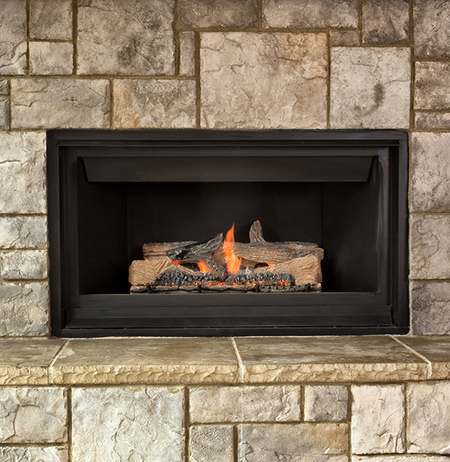
The Ultimate Guide to Stone Fireplaces: Why They’re the Best Choice
Now that winter has officially arrived, there’s nothing like settling in by a cozy stone fireplace. When it comes to designing a fireplace, natural stone is likely the most elegant, durable, and efficient material you could want. But why are stone fireplaces so popular?
The list of benefits – which we’ll delve into later – is lengthy. However, to give you an idea of just how impressive they can be, here’s a brief overview.
Stone fireplaces have been around for centuries, making them one of the most enduring materials in construction. In fact, stone has been used to build structures that still stand today, while other materials crumble and decay. Some stone surfaces can even withstand decades without losing their luster, while others, like limestone, remain remarkably preserved over time.
The History of Stone Fireplaces
Stone fireplaces have a rich history dating back thousands of years. The earliest recorded use of stone in fireplace construction was in ancient Greece and Rome, where architects used marble, travertine, and other stones to create grandiose structures that could burn for hours on end.
Over time, stone fireplace design evolved to incorporate various architectural styles, from medieval castles to Art Deco mansions. Each era brought its unique aesthetic and materials, but the core principle of using natural stone to create a warm and inviting space remained constant.
The Benefits of Stone Fireplaces
Now that we’ve explored the history of stone fireplaces, let’s dive into the many benefits they offer.
-
Heat Retention: One of the key advantages of stone fireplaces is their ability to retain heat. Unlike other materials, stone absorbs, stores, and radiates warmth, which means it can actually improve your home’s energy efficiency. Marble and calcium-based stones are particularly effective at absorbing heat, while granite excels at distributing it. Basalt and travertine are also great at storing heat and releasing it slowly over an extended period.
-
Low Maintenance: Stone fireplaces require minimal upkeep – simply wipe them down with a cloth every now and then to keep them looking new again. While some stones, like marble, are porous and may need to be sealed to prevent dirt and grime from accumulating, others can withstand the elements without issue. This means you’ll spend less time worrying about maintenance and more time enjoying your cozy fireplace.
-
Longevity: As one of the oldest construction materials, stone is incredibly durable. Just look at ancient buildings made from this material – they still stand strong while other materials have crumbled and decayed. Some stone surfaces can last for decades without losing their shine, while others, like limestone, remain remarkably well-preserved.
-
Durability: Stone is virtually indestructible. It can withstand wear and tear without crumbling or falling apart, making it an excellent choice for high-traffic areas like kitchen countertops, flooring, and bathrooms. Its resistance to water damage and mold also makes it a popular choice for outdoor spaces.
-
Types of Stone to Use: While you could choose any stone for your fireplace, some options are better suited to this space than others. For example, limestone and travertine offer a clean, modern look, while adhesia provides a rustic ambiance. Marble boasts stunning beauty that’s impossible to replicate with other materials – and can be polished or honed for a more formal appearance. Granite is an excellent choice for any contemporary setting, as it’s incredibly durable and resistant to scratches. If you want something with unique texture, consider using quartzite.
Choosing the Right Stone
With so many stone options available, selecting the perfect one can seem overwhelming. Here are some tips to help you make the right choice:
- Consider your home’s style and decor: Choose a stone that complements your existing architecture and aesthetic.
- Think about durability and maintenance: If you want a low-maintenance option, consider stones like granite or limestone.
- Evaluate cost: Different types of stone vary in price, so set a budget before making a final decision.
The Cost of a Stone Fireplace
How much does a stone fireplace cost? It’s difficult to provide an exact figure, as prices can vary widely depending on factors like material quality, size, and design complexity. However, here are some rough estimates: $1,000 for smaller models or those with limited stonework, up to $10,000 or more for larger, more elaborate designs.
Keep in mind that these figures don’t include labor costs, which can add significant expenses to the overall price tag. Additionally, factors like location and design complexity will also impact the final cost of your stone fireplace project.
If you’re considering investing in a stone fireplace but want a more precise estimate for your specific needs, it’s best to consult with an experienced installer or contractor who can provide personalized guidance on costs, materials, and design options.
Conclusion
Stone fireplaces are truly one-of-a-kind structures that offer unparalleled warmth, beauty, and durability. By understanding the history of stone fireplaces, their many benefits, and choosing the right type of stone for your needs, you can create a cozy and inviting space that will last for generations.
Whether you’re looking to add a touch of elegance to your living room or create a rustic ambiance in your dining area, a stone fireplace is an excellent choice. With proper care and maintenance, these structures can provide warmth and comfort for years to come.
FAQs
- Q: How do I clean my stone fireplace?
A: Simply dust it with a soft cloth every now and then to keep it looking its best. - Q: Can marble get stained?
A: Yes – but it’s relatively easy to prevent stains from forming by sealing your marble surface regularly. - Q: How long does granite last?
A: With proper care, granite can last for decades or even centuries without losing its appearance. - Q: Is stone fireplaces expensive?
A: While prices vary depending on factors like material quality and design complexity, a well-designed stone fireplace can be a worthwhile investment in your home’s comfort and aesthetic appeal. - Q: Can I install a stone fireplace myself?
A: Unless you have extensive experience with masonry or carpentry work, it’s generally recommended to hire a professional installer for the job.
Anna De Simone
Pubblicato il 29 Dicembre 2019


