
As we navigate through the complexities of modern life, it’s easy to overlook the importance of efficiency energy. However, with the Italian government making significant strides in this area, it seems they’re onto something special. By reaching an impressive 65% of their target for energy savings by 2016, Italy is taking a step towards a more sustainable future.
A Glimpse into the Past: The Journey to Efficiency Energy
One key factor that contributed to Italy’s success in efficiency energy was the implementation of government incentives. According to Rino Romani, Responsible Unit for Technical Efficiency at ENEA, these incentives allowed for an impressive 80,000 GWh of annual energy savings by 2012.
This remarkable achievement was showcased during the Smart Energy Expo 2013 conference in Verona, where ENEA organized a seminar on efficiency energy. Rino Romani’s presentation highlighted the importance of both technological advancements and conscious behavioral changes towards reducing energy consumption.
In order to achieve such significant gains, Italy had to adopt a multifaceted approach that involved various stakeholders. The government played a crucial role in providing incentives and promoting awareness, while businesses and individuals were encouraged to take action by offering support and resources.
The Benefits of Efficiency Energy: A Double-Edged Sword
While efficiency energy is often associated with environmental benefits, it also offers significant economic advantages for individuals and businesses alike. By implementing energy-saving measures, users can experience immediate cost savings on their utility bills. Moreover, government incentives and local measures can lead to a faster-than-expected return on investment.
In addition to the financial benefits, efficiency energy also has a positive impact on public health. By reducing energy consumption, Italy is able to decrease air pollution levels, which in turn leads to improved respiratory health and overall well-being for its citizens.
Furthermore, the increased use of renewable energy sources contributes to a more stable and secure energy supply. As the world transitions away from fossil fuels, countries like Italy are at the forefront of this transition, ensuring a brighter future for generations to come.
A Broader Impact: Efficiency Energy in Various Sectors
The impact of efficiency energy extends beyond individual actions, affecting various sectors such as industry, commerce, transportation, and domestic use. By adopting more efficient practices, these sectors can not only reduce their environmental footprint but also lower costs.
For instance, the manufacturing sector has seen significant improvements in energy efficiency over the years. Companies have implemented new technologies and processes to reduce energy consumption, resulting in increased productivity and competitiveness.
In addition, the transportation sector is another key area where efficiency energy plays a crucial role. Electric vehicles are becoming increasingly popular, offering a cleaner alternative to traditional fossil fuel-based vehicles.
Case Study: The Benefits of Energy-Efficient Buildings
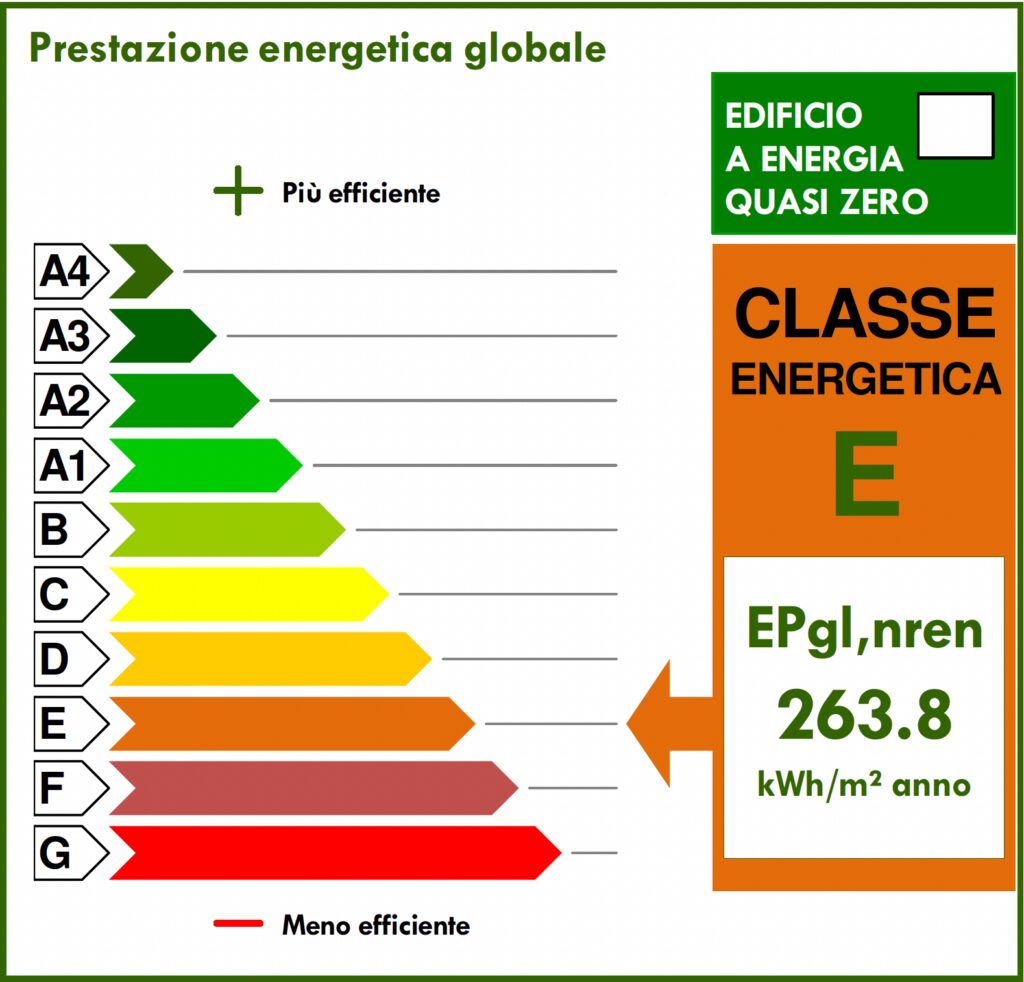
Take the example of buildings that comply with EU Directive 31/2010 on building performance. According to RSE – Research System for Energy, such buildings benefit from reduced costs over a period of just 28 years.
This directive aims to reduce energy consumption and promote the use of renewable energy sources, aligning with the European Union’s goal of decreasing its dependence on fossil fuels and greenhouse gas emissions.
In order to achieve these goals, building owners and developers have had to adapt their designs and construction methods. This has led to increased adoption of green technologies such as solar panels, wind turbines, and insulation materials.
Conclusion: Italy’s Path Forward
As we look to the future, it’s clear that efficiency energy is more than just a trend – it’s a viable solution for achieving sustainability. By embracing this approach, countries can create a healthier environment for themselves and their citizens.
Italy’s success in efficiency energy serves as an inspiration to other nations, demonstrating that with the right policies and incentives, significant gains can be achieved. As we continue on this journey, it’s essential to maintain momentum and push for even greater strides in this area.
Frequently Asked Questions
-
What role do government incentives play in promoting efficiency energy?
Government incentives, such as tax breaks or subsidies, encourage individuals and businesses to adopt more efficient practices, leading to significant cost savings and reduced environmental impact. -
How can I benefit from efficiency energy for my business?
By implementing energy-saving measures, businesses can reduce their utility bills, lower operational costs, and increase competitiveness in the market. -
What are some ways to improve energy efficiency at home?
Simple changes like using LED light bulbs, insulating your home, and adjusting thermostat settings can make a significant difference in reducing energy consumption. -
Can efficiency energy be achieved through technological advancements alone?
While technology plays a crucial role, conscious behavioral changes and adjustments to daily habits are equally essential for achieving sustainable results. -
What is the long-term impact of efficiency energy on greenhouse gas emissions?
By reducing energy consumption and promoting renewable sources, efficiency energy contributes significantly to decreasing greenhouse gas emissions, helping mitigate climate change. -
How can Italy continue to improve its efficiency energy record?
Further incentives, education campaigns, and targeted initiatives will be essential in maintaining momentum and pushing for even greater strides in this area. -
What is the current state of efficiency energy policy globally?
Efficiency energy remains a global priority as countries seek to reduce their environmental impact while driving economic growth. -
Can individual actions make a difference in achieving efficiency energy goals?
Absolutely – every small change counts, from using public transport to reducing personal energy consumption, contributes to a collective effort towards sustainability.
By understanding the importance of efficiency energy and working together, we can create a brighter future for ourselves and generations to come.
The Future of Efficiency Energy
As we move forward, it’s essential to address some of the challenges that lie ahead. One of the primary concerns is the need for more efficient technologies that can meet the growing demand for energy.
Researchers and policymakers are working together to develop innovative solutions that can help bridge this gap. From advanced insulation materials to smart grid systems, there are numerous ways in which technology can be harnessed to improve efficiency energy.
In addition, education and awareness campaigns will play a crucial role in promoting efficiency energy. By educating individuals and businesses about the benefits of efficiency energy, we can create a groundswell of support for this critical issue.
A Call to Action
As we look to the future, it’s essential that we take action to address the challenges facing our planet. Efficiency energy is more than just a trend – it’s a solution to some of the world’s most pressing problems.
By working together and embracing the principles of efficiency energy, we can create a brighter future for ourselves and generations to come. The time has come to take action – let us join forces to build a more sustainable and efficient world.


