
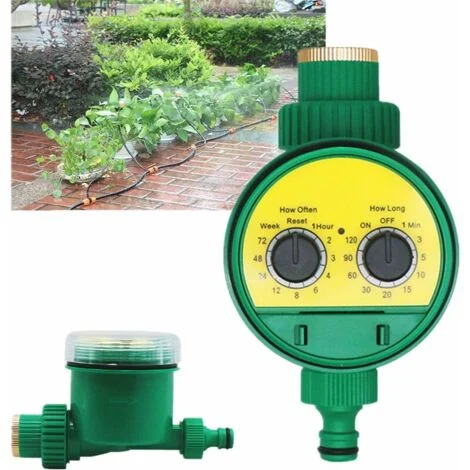
When discussing water conservation, one key tool stands out: the timer for irrigation. By programming our water usage, we can optimize water consumption based on the needs of the plants being irrigated.
To connect a timer to an irrigation system, it must be linked to the faucet or water supply line. For those without dedicated irrigation faucets, an automatic adapter can be used to regulate water flow from the main line to the irrigation system. This setup is particularly useful for systems that use drip irrigation or manhole-and-tube configurations, where efficient water usage is crucial.
Understanding the Benefits of a Timer for Irrigation
These types of systems allow for more precise control over water application, with less water used during each irrigation cycle. However, they also require more frequent irrigations to meet the plants’ needs. This is where a timer comes in – by linking it to a central controller that schedules and programs multiple irrigations based on plant requirements, you can create an efficient system.
One of the main benefits of using a timer for irrigation is the ability to conserve water while still providing adequate moisture to your plants. By programming the timer to run at specific intervals, you can ensure that your plants receive exactly what they need without wasting excess water. This not only saves you money on your water bill but also helps to reduce the strain on local water resources.
Another advantage of using a timer for irrigation is its ability to adapt to changing weather conditions. With a timer, you can set up a system that automatically adjusts to rainfall or other forms of precipitation. This means that you don’t have to worry about watering your plants during periods of heavy rain or drought – the timer will do it for you.
Using a Timer for Irrigation: A Step-by-Step Guide
To use a timer effectively:
- Program the central control unit of the timer according to your specific needs: This will involve setting up the timer to run at specific intervals, taking into account factors such as soil type, plant density, and climate.
- Connect the timer to the irrigation system using the correct adapters and fittings as needed: Make sure that all connections are secure and waterproof to prevent any leaks or other issues.
- Place the timer in a protected area from weather conditions (such as rain or extreme temperatures): This will help ensure that the timer functions properly, even in harsh environmental conditions.
There are many types of timers available for irrigation, ranging from simple devices to more advanced models. When selecting a timer, consider your specific needs:
- For small gardens or balconies, a basic timer that repeats daily at a set time will suffice.
- Larger gardens may benefit from more complex timers that can handle multiple irrigations per day with varying water flow rates.
Advanced Timer Features for More Efficient Irrigation
Some advanced timers come equipped with additional features such as:
- Water filtration systems to prevent contamination and improve irrigation quality: These systems can help remove impurities and other contaminants from the water supply, ensuring that it is safe for your plants to use.
- Rain sensors that automatically adjust irrigation schedules based on precipitation levels: These sensors can detect when it has rained recently and adjust the irrigation schedule accordingly, reducing waste and ensuring that your plants receive exactly what they need.
When it comes to choosing the right timer for your specific needs, there are several factors to consider:
- Type of plants being irrigated (some timers may be more suitable for certain types of crops): For example, if you have a large garden with many different types of plants, you may want to choose a timer that can handle multiple irrigation schedules and varying water flow rates.
- Size of the garden or yard: Larger gardens may require more complex timers that can handle multiple irrigations per day with varying water flow rates.
- Climate and weather conditions: If you live in an area with extreme weather conditions, such as heavy rainfall or intense sunlight, you may want to choose a timer that is designed to withstand these conditions.
Additional Benefits of Using a Timer for Irrigation
In addition to the benefits mentioned above, using a timer for irrigation can also have several other advantages:
- Increased crop yields: By providing exactly what your plants need at precisely the right time, you can increase crop yields and improve overall plant health.
- Reduced water waste: Timers can help reduce water waste by ensuring that only the amount of water needed is applied to the soil during each irrigation cycle.
- Improved soil quality: By providing consistent moisture levels, timers can help improve soil quality and structure over time.
Best Practices for Using a Timer for Irrigation
To get the most out of your timer, follow these best practices:
- Regularly inspect and maintain the irrigation system: This will ensure that the timer is working properly and that the irrigation system is functioning as intended.
- Monitor water usage and adjust the timer accordingly: Keep an eye on your water bill to make sure you’re not wasting excess water. Adjust the timer as needed to optimize water efficiency.
- Use a rain sensor or other weather-based adjustment feature: These features can help you take advantage of natural rainfall and reduce waste during periods of heavy precipitation.
Common Mistakes to Avoid When Using a Timer for Irrigation
To ensure that your timer is working effectively, be aware of these common mistakes:
- Incorrectly setting the timer: Make sure to set the timer according to your specific needs, taking into account factors such as soil type, plant density, and climate.
- Not connecting the timer correctly: Ensure all connections are secure and waterproof to prevent leaks or other issues.
- Not maintaining the irrigation system regularly: Regular maintenance is essential for ensuring that the timer is working properly.
By following these best practices and avoiding common mistakes, you can get the most out of your timer and enjoy the many benefits it has to offer.


