
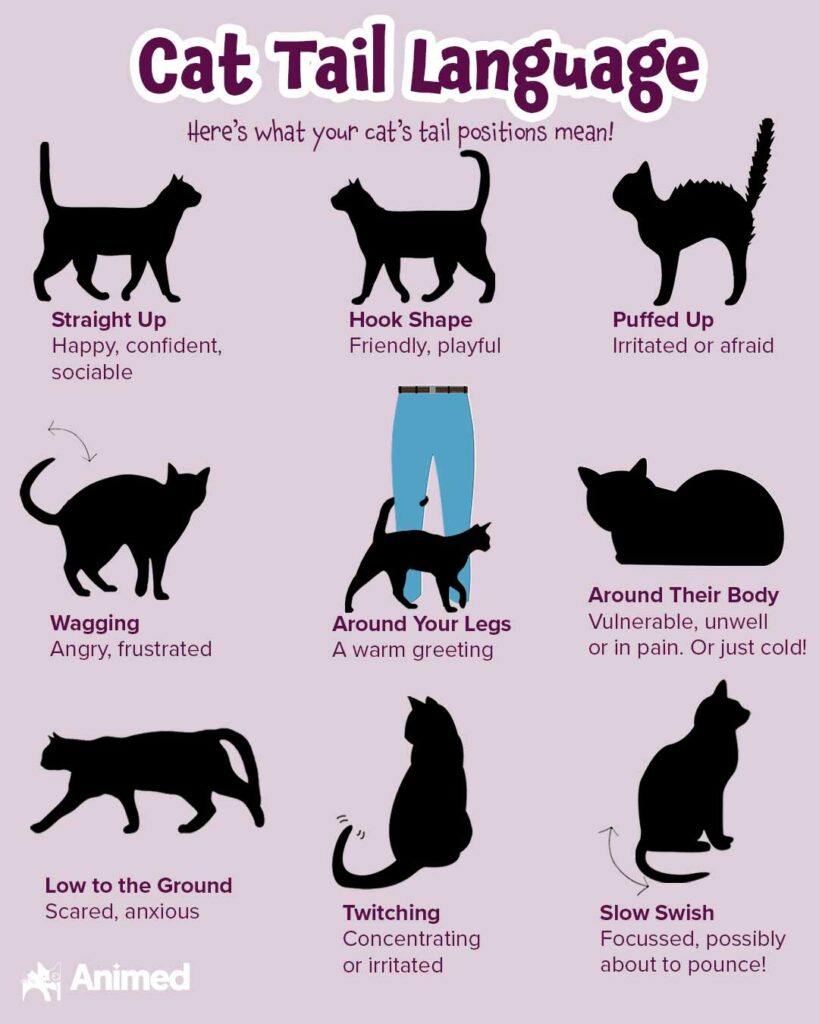
As a cat owner, you may have noticed that your feline friend’s tail is more than just a simple extension of their body. The way they move and position their tail can reveal important information about their mood, emotions, and intentions. In this article, we’ll delve into the fascinating world of cat tails and explore what different positions and movements mean for your whiskered companion.
The Importance of Tail Language
Cats use their tails to communicate with humans and other animals in a language that’s unique to them. By paying attention to your cat’s tail, you can better understand their emotional state and even anticipate their behavior. So, let’s dive into the world of tail language and explore what different positions and movements mean for your feline friend.
1. Tail Up High and Still
A tail held high and straight is a classic sign of confidence and contentment in cats. This position indicates that your cat feels secure and at ease, often when they’re surrounded by familiar comforts like their food or favorite toys. Observe the photo below to see this confident stance in action.
[Image: A happy cat with its tail held high]
When a cat’s tail is held high and still, it can also indicate that they’re feeling relaxed and calm. This position suggests that your cat has found a comfortable spot to rest and unwind.
2. Tail Up High and Oscillating
When a cat’s tail is held high but oscillates rapidly from side to side, it can indicate excitement or playfulness. This movement suggests that your cat is eager to engage in playful activities or is responding to a stimulating environment.
[Image: A cat with its tail oscillating]
Oscillating tails can also be an indicator of stress or anxiety in cats. If you notice this movement in your cat, it’s essential to provide them with a calm and comfortable environment to reduce their stress levels.
3. Tail Held High and Puffed Out
A puffed-out tail, accompanied by a rigid posture, can be an indicator of agitation or defensiveness in cats. This position signals that your cat feels threatened or annoyed, often due to changes in their environment or interactions with other animals.
[Image: A cat with its tail puffed out]
When a cat’s tail is held high and puffed out, it’s essential to approach them calmly and gently. Avoid sudden movements or loud noises, as these can exacerbate the situation.
4. Tail Along the Back
A tail held straight along the back, approximately at a 90-degree angle, can indicate curiosity and interest. This position suggests that your cat is exploring their surroundings, often with a sense of wonder or discovery.
[Image: A curious cat with its tail along its back]
When a cat’s tail is held along their back, it can also be an indicator of a need for attention or interaction. If you notice this movement in your cat, try engaging them in play or providing treats to stimulate their natural curiosity.
5. Tail Between Legs
When a cat’s tail is tucked between its legs, it may signify anxiety, fear, or insecurity. This posture can indicate that your cat feels uneasy or vulnerable in their environment.
[Image: A cat with its tail tucked between its legs]
It’s essential to approach a cat with a tucked tail gently and carefully, as sudden movements can cause them further distress. Provide reassurance and comfort by speaking softly and offering gentle touch.
6. Tail Hanging Down and Oscillating
A tail that hangs down but oscillates from side to side can be an indicator of nervousness or unease. This movement suggests that your cat is anxious about a particular situation, such as meeting new people or encountering new environments.
[Image: A cat with its tail hanging down]
When a cat’s tail is hanging down and oscillating, try providing them with a safe space to retreat to when feeling overwhelmed. You can also offer calming aids like pheromone diffusers or calming treats.
7. Tail Wrapped Around Something
When a cat’s tail wraps around an object, like a leg or a toy, it can be a sign of affection and attachment. This behavior is often seen in cats that are seeking comfort and reassurance from their human caregivers.
[Image: A cat wrapping its tail around a leg]
Cats may also wrap their tails around objects as a way to mark territory or establish dominance. Be aware of your cat’s individual preferences and boundaries when interacting with them.
Understanding Cat Anatomy
So, what exactly makes up your cat’s tail? Unlike humans, who have muscles and cartilage in their tails, cats have vertebrae with extremely elastic muscles. These muscles allow the tail to assume various positions and shapes, enabling your cat to communicate effectively.
The outer layer of the tail consists of skin and fur, which can vary depending on the breed or individual characteristics. By understanding these components, you’ll gain a deeper appreciation for the intricate language of your feline companion.
The Function of a Cat’s Tail
A cat’s tail serves multiple purposes, including communication and balance. As mentioned earlier, the tail is an essential tool for expressing emotions and intentions to other cats and humans. At the same time, it provides stability and helps with equilibrium during movement.
Cats use their tails to adjust their center of gravity, ensuring they stay balanced while running, jumping, or climbing. The flexible muscles in a cat’s tail allow them to make precise adjustments to their posture, making them incredibly agile and nimble creatures.
Frequently Asked Questions
Here are some common questions about your cat’s tail, along with expert advice:
Q: What does it mean when my cat holds its tail high?
A: A tail held high usually indicates confidence, contentment, or excitement in cats.
Q: Why do cats shake their tails?
A: Cats may shake their tails due to overstimulation, stress, or frustration. If your cat is shaking its tail excessively, try providing a more calming environment and offering attention when needed.
Q: Can I train my cat to hold its tail still?
A: While it’s possible to encourage your cat to maintain a steady tail position, it’s essential to respect their natural behavior and allow them to express themselves through movement and flexibility.
Q: What if I accidentally hurt or irritate my cat’s tail?
A: If you inadvertently cause discomfort or pain to your cat’s tail, consult with a veterinarian for advice on how to soothe and care for the area.
Conclusion
Understanding your cat’s tail is just one aspect of building a stronger bond with your feline companion. By recognizing the various positions and movements that indicate emotions, intentions, and needs, you’ll become more attuned to their behavior and better equipped to provide the care they deserve.
Remember, every cat is unique, and it’s essential to consider individual personalities and quirks when interpreting tail language. By embracing this fascinating world of feline communication, you’ll develop a deeper appreciation for your whiskered friend and enjoy a more enriching relationship with them.
By understanding your cat’s tail, you can:
- Enhance your bond with your feline companion
- Better understand their emotions and intentions
- Provide the care and attention they need to thrive
- Recognize potential health issues or behavioral concerns
Whether you’re a seasoned cat owner or just starting out on this journey, learning about your cat’s tail is an essential part of building a deeper understanding of these amazing animals. By tuning in to their language, you’ll become more attuned to their needs and able to provide the best possible care for your feline friend.


