
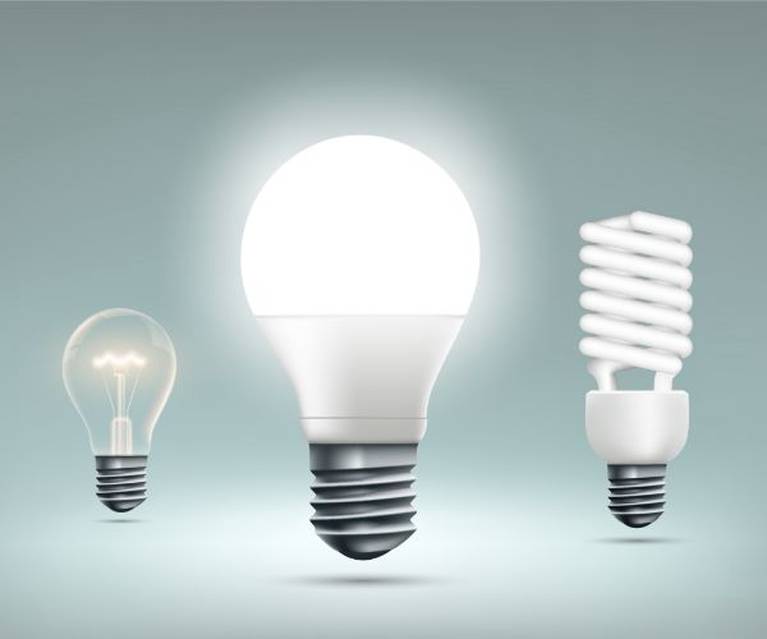
As we go about our daily lives, we often take for granted the impact that lighting has on our surroundings. However, when it comes to public illumination, white light stands out as a game-changer. Not only does it provide energy savings, but it also enhances quality of life, security, and safety.
The Prevalence of Inefficient Lighting in Public Spaces
Did you know that Italy alone boasts over 9 million public lighting fixtures? And what’s alarming is that 60% of these use outdated technology like mercury vapor lamps. It’s time to rethink our approach to public lighting and explore more efficient alternatives like white light.
The Advantages of White Light
So, why should we care about white light? For starters, it offers several benefits:
- Energy Savings: By using LED-based white light solutions, we can significantly reduce energy consumption.
- Improved Quality of Life: White light creates a more inviting and aesthetically pleasing urban landscape.
- Enhanced Security: The high color temperature of white light makes it easier to distinguish objects, colors, and shapes, making our surroundings feel safer.
- Crime Prevention: By facilitating the recognition of individuals, white light can deter crime.
What is White Light?
For those unfamiliar with the term, let’s break down what white light entails. It’s all about the “temperature of color,” measured in Kelvin, which determines its tone and hue. Think of it like a thermometer for our eyes – as temperature increases, so does the brightness and warmth of the light.
The Temperature of Color
To illustrate this concept, imagine a thermometer with various settings:
- Low Temperatures (2000 K): Orange
- Moderate Temperatures: Red, then infrared (invisible to us)
- High Temperatures: White, blue, violet, and ultraviolet (also invisible)
In contrast, low temperatures result in warm white light, while high temperatures produce cool white light.
The Science Behind White Light
From a physical perspective, let’s explore the concept of light through the lens of Isaac Newton’s prism. This fundamental tool helps us understand how light behaves when it passes through different materials.
Newton’s Prism: A Key to Understanding White Light
Imagine a prism made of glass or crystal placed in front of white light. As the light enters the prism, it bends and splits into its component colors. The resulting spectrum is a beautiful display of colors, ranging from red to violet.
The Role of Refraction
Refraction plays a crucial role in this process. When light passes through a medium with a different optical density, such as glass or air, it slows down and changes direction. This bending of light allows us to see the individual colors that make up white light.
Applications of White Light
White light is not limited to public illumination; it has numerous applications in various fields:
- Medicine: White light therapy is used to treat conditions like seasonal affective disorder and skin disorders.
- Astronomy: Telescopes use white light to observe celestial objects in the night sky.
- Art: Artists often use white light to create stunning visual effects in their work.
The Future of White Light
As technology advances, we can expect even more efficient and innovative applications of white light. From smart lighting systems to advanced LED designs, the possibilities are endless.
Conclusion
White light is more than just a technical term – it’s a symbol of progress and innovation in public illumination. By embracing energy-efficient solutions and exploring the benefits of white light, we can create safer, more inviting communities for everyone.
Frequently Asked Questions (FAQs)
- What are some examples of public spaces that could benefit from white light?
- How does white light compare to other types of lighting in terms of energy efficiency?
- Can white light be used in residential settings as well?
- Are there any potential drawbacks or limitations to using white light in public illumination?
- What are some common misconceptions about white light and its benefits?
- How can individuals contribute to the adoption of energy-efficient lighting solutions in their communities?
- What role do urban planners play in incorporating white light into public space design?
- Can white light be used to address specific social issues, such as crime prevention or mental health?
By understanding the benefits and applications of white light, we can work towards creating a brighter, safer future for all.
Additional Resources
- For more information on energy-efficient lighting solutions, visit the website of the U.S. Department of Energy.
- To learn about the history and science behind Newton’s prism, check out the online resources at the British Museum.
- For inspiring examples of white light in art and design, explore the works of artists like Louis Comfort Tiffany or designers like Philippe Starck.
By Embracing White Light, We Can Create a Brighter Future
White light is more than just a technical term – it’s a symbol of progress and innovation in public illumination. By embracing energy-efficient solutions and exploring the benefits of white light, we can create safer, more inviting communities for everyone.
Together, let’s shine a light on the possibilities of white light and work towards creating a brighter future for all.


