
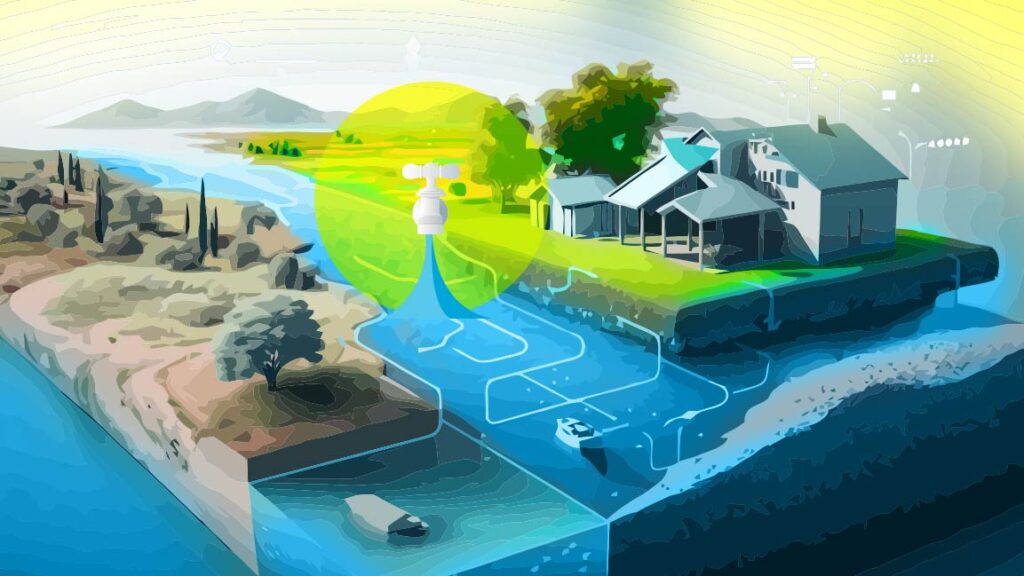
As we look to the future, it’s clear that water conservation is no longer a luxury, but a necessity. With the global population projected to reach 9 billion by 2050, and 48 countries facing water scarcity by 2025, it’s essential that we take immediate action to protect this precious resource.
The Alarming State of Global Water Conservation
Water conservation is not just an environmental issue; it’s also a matter of public health. According to the World Health Organization (WHO), millions of people worldwide die each year due to waterborne diseases and lack of access to clean water. In fact, it’s estimated that 3 million deaths annually are linked to poor water quality.
The statistics are alarming:
- Over 2 billion people live without access to safe drinking water.
- 2,000 cities face severe water scarcity by 2025.
- 20% of global wastewater is released into the environment without treatment.
The Economic Costs of Water Mismanagement
But water conservation isn’t just a humanitarian issue; it also has significant economic implications. In the United States alone, it’s estimated that suboptimal water treatment and distribution systems cause over $16 billion in losses each year. Moreover, in Italy, the average household loses around 120 liters of water per day due to inefficiencies in the water supply network.
The economic costs of water mismanagement are substantial:
- Water loss: Up to $16 billion annually in the United States.
- Water treatment: Over $10 billion annually for inefficient systems.
- Drought-related impacts: Estimated at over $2 trillion globally.
The Need for Advanced Water Management Technologies
So, what can be done to address these pressing issues? One solution is the implementation of advanced water management technologies that enable real-time monitoring and optimization of water distribution systems. Companies like GE IP are developing innovative solutions that utilize data analytics and sensor technology to improve efficiency and reduce waste.
The Benefits of Water Conservation
So, what can we expect from investing in water conservation? Not only will it help alleviate the global water crisis, but it’ll also have a significant impact on public health. By reducing energy consumption associated with treating and pumping water, we can lower greenhouse gas emissions and slow climate change.
The benefits of water conservation are numerous:
- Public health: Reduced risk of waterborne diseases.
- Environmental protection: Conservation of this vital resource.
- Economic growth: Creation of new industries and jobs focused on sustainable water management.
- Climate change mitigation: Reduction in greenhouse gas emissions associated with water treatment and pumping.
A Call to Action: Prioritizing Water Conservation
So, what can you do today to make a difference? Here are some steps you can take:
- Conserve water at home: Take shorter showers, fix leaks, and install low-flow fixtures.
- Support water-efficient technologies: Invest in smart appliances and water-saving devices for your business or community.
Frequently Asked Questions (FAQs)
Q: How much water does the average household lose each day?
A: In Italy, households can lose up to 120 liters of water per day due to inefficiencies in the water supply network.
Q: What are some common causes of water scarcity globally?
A: Overpopulation, climate change, and inefficient use of water resources are major contributors to global water scarcity.
Q: How can I make a difference in my community’s water conservation efforts?
A: Start by implementing small changes at home, such as taking shorter showers or fixing leaks. Then, consider supporting local initiatives that prioritize water efficiency and sustainability.
Q: What role can technology play in addressing the global water crisis?
A: Advanced technologies like data analytics, sensor networks, and smart appliances can help optimize water distribution systems and reduce waste.
Q: Can individual actions really make a difference in addressing global water scarcity?
A: Yes! Every small action counts, from conserving water at home to supporting policies that prioritize water sustainability. Collective efforts can lead to significant positive change.
Q: What are some potential economic benefits of investing in water conservation technologies?
A: By reducing energy consumption associated with treating and pumping water, we can lower greenhouse gas emissions and slow climate change, leading to long-term economic benefits.
Q: How can I stay informed about the latest developments in global water conservation efforts?
A: Follow reputable sources, such as the World Health Organization (WHO) or the United Nations Environment Programme (UNEP), for updates on the latest research, technologies, and initiatives in water sustainability.


