
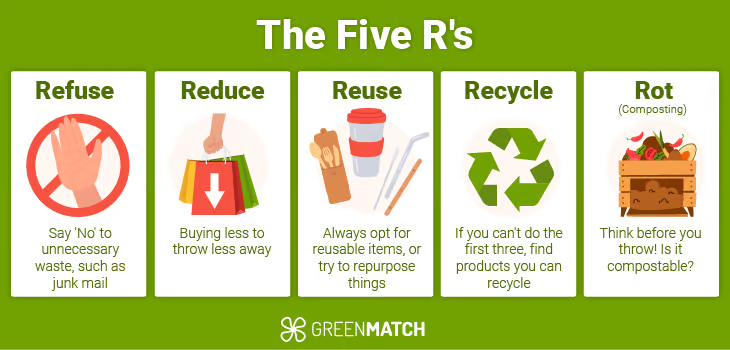
As we gaze out at the world around us, it’s hard not to feel a sense of unease about the state of our planet. The problem of waste has become increasingly pressing, with the consequences of our actions being felt far and wide. But what if we told you that there’s hope? That by working together, we can make a real difference and create a more sustainable future for all.
In this article, we’ll explore the concept of “Zero Waste” and how it can be achieved through ten key actions. We’ll delve into the history of waste production, examine the impact on our planet, and discuss the role that industry and individuals can play in reducing waste.
A Brief History of Waste Production
It’s difficult to believe that just a century ago, most products were biodegradable and lasted for only a short time. But with the advent of synthetic materials, chemical production, and consumerism, our reliance on non-biodegradable goods has grown exponentially. Today, we’re faced with a staggering amount of waste that’s not only harming the environment but also affecting human health.
As Luca Mercalli writes in his preface to the book “Dieci Azioni per Zero Rifiuti,” “we die from trash!” The sheer volume of waste we produce is having a profound impact on our planet, and it’s time for us to take action.
The Opportunity for Change
So what can we do? The answer lies in embracing the concept of “Zero Waste” as a strategic opportunity rather than a problem. By working together with industry, governments, and individuals, we can create a more circular economy that reduces waste and promotes sustainability.
In this article, we’ll explore ten key actions that can help us achieve zero waste. From changing our consumption habits to adopting new technologies, every step counts in the fight against waste.
Action 1: Reduce Your Consumption
One of the most effective ways to reduce waste is to change your consumption habits. This means avoiding single-use plastics, buying in bulk, and opting for products with minimal packaging. By making these simple changes, you can significantly reduce your carbon footprint and contribute to a more sustainable future.
For example, instead of buying bottled water, consider using a refillable water bottle. Similarly, instead of purchasing single-use bags, choose reusable alternatives like cloth or canvas bags.
Action 2: Choose Products with Minimal Packaging
When shopping, choose products with minimal packaging or those that use biodegradable materials. This not only reduces waste but also helps to conserve natural resources.
For instance, consider buying food in bulk and avoiding packaged snacks. Instead of purchasing single-serve items like yogurt or granola bars, opt for larger quantities and portion them out yourself.
Action 3: Use Reusable Bags and Containers
Ditch single-use bags and containers and opt for reusable alternatives instead. From cloth bags to stainless steel containers, there are plenty of options available to help you reduce your waste.
For example, consider using a reusable coffee filter or switching to a bamboo toothbrush. These small changes can make a significant impact when combined with other actions.
Action 4: Upcycle and Repurpose
Get creative and find new uses for items that would otherwise end up in the trash. Upcycling and repurposing can be a fun and rewarding way to reduce waste while also reducing your environmental impact.
For instance, consider turning old t-shirts into reusable bags or transforming old pallets into planters. The possibilities are endless!
Action 5: Support Circular Economy Initiatives
Support companies and organizations that are working towards a circular economy by adopting sustainable practices, using biodegradable materials, and reducing waste. By doing so, you’ll not only contribute to a more sustainable future but also help to drive positive change.
For example, consider shopping at stores that offer product take-back programs or supporting brands that use environmentally friendly packaging.
Action 6: Implement Recycling Programs
Implementing effective recycling programs is crucial in reducing waste. From curbside collection to community recycling centers, every step counts in the fight against waste.
For instance, ensure that your local government offers curbside recycling and participate by sorting your recyclables correctly. Additionally, consider participating in community composting programs or adopting a zero-waste lifestyle through online communities.
Action 7: Educate and Raise Awareness
Raising awareness about the issue of waste and its impact on our planet is crucial in driving positive change. Educate your friends, family, and colleagues about the importance of reducing waste and promoting sustainability.
For example, share articles or videos highlighting the negative impacts of waste production with your social media network or organize a community clean-up event to raise awareness about local environmental issues.
Action 8: Support Research and Development
Support research and development into new technologies that can help reduce waste. From biodegradable plastics to advanced recycling techniques, innovation is key to creating a more sustainable future.
For instance, consider supporting companies working on biodegradable alternatives to traditional plastics or participating in crowdfunding campaigns for innovative waste reduction projects.
Action 9: Advocate for Policy Change
Advocate for policy change at local, national, and international levels to address the issue of waste. This includes supporting extended producer responsibility, implementing Deposit Refund Systems, and promoting Circular Economy legislation.
For example, contact your representatives to express support for circular economy policies or participate in advocacy campaigns organized by environmental organizations.
Action 10: Engage in Community-Based Initiatives
Engage in community-based initiatives that promote sustainability and reduce waste. From community composting programs to neighborhood clean-up events, every effort counts in creating a more sustainable future.
For instance, consider participating in a local waste management program or volunteering with an environmental organization working on waste reduction projects.
Conclusion
Reducing waste is no longer just an option – it’s a necessity for creating a more sustainable future. By working together with industry, governments, and individuals, we can achieve zero waste and promote a more circular economy. In this article, we’ve explored ten key actions that can help us get started on this journey.
Frequently Asked Questions
- What is Zero Waste?
Zero Waste is a strategy aimed at reducing waste to near zero levels through a combination of behavioral change, technological innovation, and policy interventions. - Why is reducing waste important?
Reducing waste is essential for protecting the environment, conserving natural resources, and promoting public health. - What are some common types of waste that can be reduced?
Common types of waste that can be reduced include plastic bags, water bottles, food packaging, and paper products. - How can individuals make a difference?
Individuals can make a difference by changing their consumption habits, choosing products with minimal packaging, and supporting organizations working towards a circular economy. - What role does industry play in reducing waste?
Industry plays a crucial role in reducing waste through the adoption of sustainable practices, use of biodegradable materials, and implementation of recycling programs. - How can governments support zero-waste initiatives?
Governments can support zero-waste initiatives by implementing policy change, providing funding for research and development, and promoting public awareness campaigns. - What are some challenges facing the adoption of Zero Waste strategies?
Common challenges facing the adoption of Zero Waste strategies include lack of education and awareness, inadequate waste management infrastructure, and conflicting economic interests.
By working together to reduce waste and promote sustainability, we can create a more circular economy that benefits both people and the planet.


