
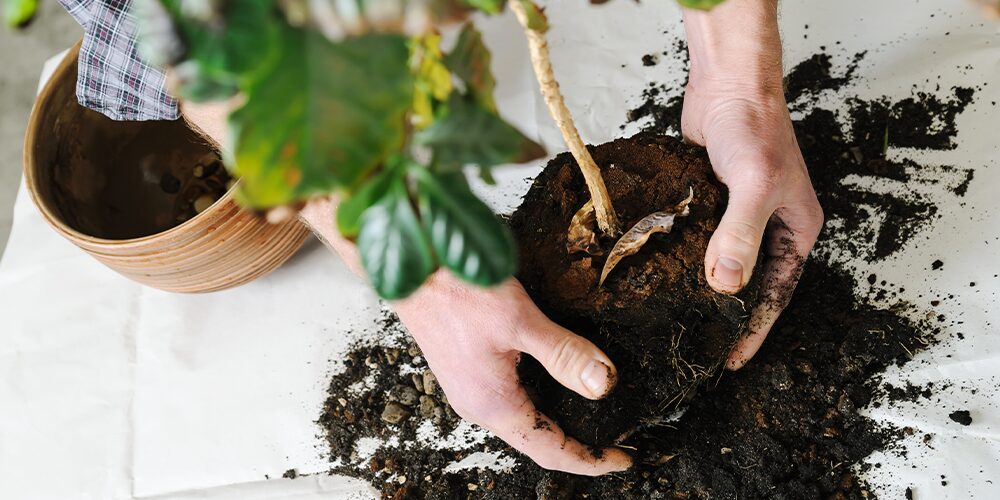
Transplanting a plant from one location to another is an essential gardening skill that requires careful planning, preparation, and execution. Whether you’re moving a young seedling from a polystyrene container or transplanting a mature tree from the garden to the yard, this guide will walk you through the steps involved in successfully transplanting your plants.
When to Transplant a Plant
Before we dive into the nitty-gritty of transplanting, it’s essential to understand when is the best time to do so. Unlike seeding, which can be done at any time of the year for most species, transplanting requires careful consideration of the plant’s growth stage and environmental conditions.
In general, the best time to transplant a plant is during the autumn or early spring seasons. These periods offer mild temperatures and adequate moisture, making it easier for the plant to adapt to its new environment. Avoid transplanting during extreme weather conditions, such as hot summers or cold winters, which can cause stress to the plant.
Can You Transplant a Plant in Bloom?
Yes, you can transplant a flowering plant, but be prepared for the possibility of losing all its flowers. When you perform a transplant, you subject the plant to a high level of stress, which can cause it to drop its blooms. This is especially true for plants that have just finished blooming or are in the middle of their flowering period.
However, don’t worry! The loss of flowers will be temporary, and as soon as the plant adapts to its new environment, it will produce new growths (leaves, stems, etc.).
How to Transplant a Small Plant
Transplanting small plants is often easier than transplanting larger ones. Here are some general steps to follow:
- Prepare the soil: Choose a location with suitable soil conditions for your plant species.
- Remove the plant from its container: Carefully lift the plant out of its pot or seed starting tray, taking note of its root system.
- Handle the roots with care: Gently loosen the roots to encourage growth and prevent shock.
- Plant at the same depth: Place the plant in its new location, making sure the soil level is the same as it was before transplantation.
Some specific tips for transplanting small plants include:
- Using a shallow potting mix to minimize root disturbance
- Watering lightly after transplanting to prevent washing away the roots
- Providing adequate sunlight and humidity for optimal growth
Transplanting Plants in the Garden
When working with multiple plants, it’s essential to have specialized tools at your disposal. Here are some common tools you may need:
- Trowels: Thin, trowel-like instruments that allow you to remove plants from their containers or seed starting trays.
- Transplanting devices: Tools with conical tips that enable you to create deep holes for planting.
- Water bottles: You can even use an old water bottle as a makeshift transplanting tool!
Some popular tools on the market include:
- FISKARS Trapiantatore per Piantare e Trapiantare, Lunghezza 29.1 cm, FiberComp/Acciaio di Qualità, Light, Bianco, 1027033
This affordable transplanting device is a great option for gardening enthusiasts.
Transplanting Vegetables and Herbs in the Garden
When transplanting vegetables or herbs from seed starting trays to full soil, follow these steps:
- Prepare a straight trench: Draw a straight line with stakes and twine to guide your planting.
- Arrange the plants: Place the plants at an appropriate distance within the trench.
- Create a hole: Use your transplanting tool to create a hole for each plant.
- Stabilize the soil: Compact the soil around the collar of the plant to prevent water from entering.
Some additional tips for transplanting vegetables and herbs include:
- Watering lightly but daily to prevent washing away the roots
- Providing adequate sunlight and humidity for optimal growth
- Using a shallow potting mix to minimize root disturbance
Transplanting Large Plants
When working with large plants, such as trees or high-growing shrubs, you’ll need more specialized tools and equipment. Here are some general steps to follow:
- Prepare the surrounding soil: Clear the area of any debris or obstructions.
- Dig a deep hole: Use your transplanting tool to create a hole that is slightly larger than the root system of the plant.
- Loosen the roots: Gently loosen the roots to encourage growth and prevent shock.
- Stabilize the soil: Compact the soil around the collar of the plant to prevent water from entering.
Some additional tips for transplanting large plants include:
- Using a trencher or backhoe to minimize root disturbance
- Providing adequate support structures, such as stakes or trellises
- Watering thoroughly after transplantation to settle the soil
Conclusion
Transplanting a plant can be a daunting task, but with careful planning and execution, you can successfully relocate your plants from one location to another. By understanding when to transplant, how to handle small and large plants, and using specialized tools, you’ll be well on your way to becoming a master gardener.
Remember, patience and attention to detail are key when it comes to transplanting plants. With practice and experience, you’ll become more confident in your ability to relocate even the most sensitive species.
Additional Tips and Resources
- Check local nurseries or gardening stores for advice on specific plant species
- Consult online resources, such as gardening forums or websites, for additional guidance
- Join a local gardening club or attend workshops to learn from experienced gardeners
By following these tips and best practices, you’ll be able to successfully transplant your plants and enjoy the rewards of gardening. Happy planting!


