
As the saying goes, “out of sight, out of mind.” When it comes to food storage in the refrigerator, it’s easy to neglect our duties and let spoiled or expired items accumulate. However, a well-organized and properly maintained fridge can be a lifesaver when it comes to keeping your food fresh for longer.
Understanding Temperature Fluctuations
The first step to optimizing your refrigerator is to understand how temperature fluctuations affect the storage of food. At its core, refrigeration works by creating an environment with low temperatures that inhibit bacterial growth and spoilage. The ideal temperature range for a refrigerator is between 37°F and 40°F (3°C and 4°C). Anything above this range can lead to the growth of bacteria, while anything below can cause your food to freeze.
The Science Behind Temperature Zones
To maximize storage efficiency in your refrigerator, it’s essential to understand how temperature zones work. Most modern refrigerators have a central temperature zone, which is typically maintained at an optimal level between 37°F and 40°F (3°C and 4°C). Surrounding this zone are two secondary temperature zones: the top shelf, which can be warmer due to the heat generated by the compressor, and the lower shelves, which can be cooler.
Positioning Food for Optimal Storage
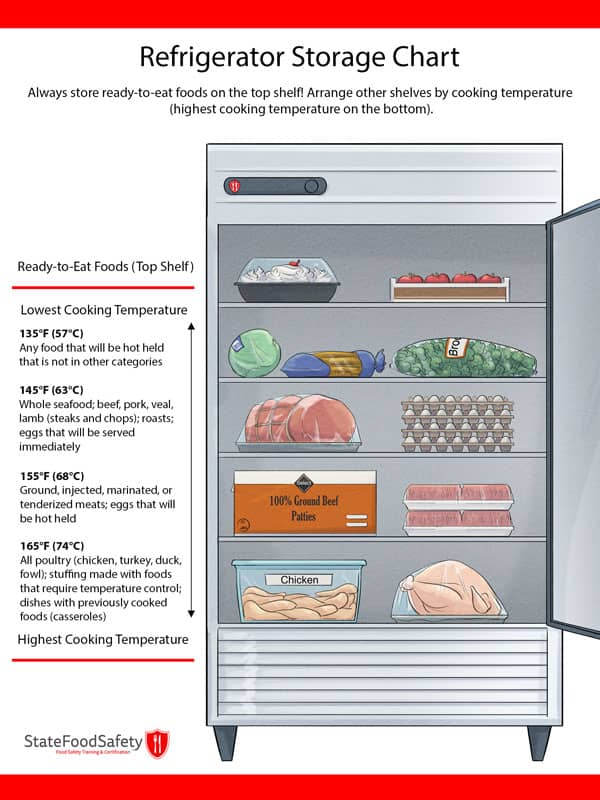
To ensure that your food is stored at its optimal temperature, it’s essential to position it correctly in your refrigerator. Here are some general guidelines to follow:
- Top shelf: This zone is typically warmer due to heat generated by the compressor. It’s best reserved for items like condiments, sauces, and beverages.
- Middle shelves: These shelves should be used for most of your stored food, including meat, poultry, dairy products, fruits, vegetables, and leftovers.
- Lower shelves: This zone is generally cooler and can be ideal for storing items that require lower temperatures, such as raw meat or cooked leftovers.
Tips for Optimizing Food Storage
By following these simple tips, you can optimize your food storage in the refrigerator:
- Use airtight containers: Store food in airtight containers to prevent moisture and air from entering.
- Label shelves and containers: Labeling your shelves and containers can help ensure that you store food in the correct zone and keep track of expiration dates.
- Keep frequently used items front and center: Store frequently used items, such as drinks or snacks, at eye level to make them easily accessible.
- Store raw meat and poultry separately: Raw meat and poultry should be stored on separate shelves to prevent cross-contamination.
The Importance of Airflow
Maintaining airflow in your refrigerator is essential for optimal storage. If the air becomes stagnant, it can lead to a buildup of bacteria and mold, causing your food to spoil more quickly. To promote airflow, make sure:
- Refrigerator doors are aligned: Ensure that the refrigerator door seals properly by checking for any gaps or misalignment.
- Shelves are adjusted correctly: Adjust the shelves in your refrigerator to ensure that air can circulate freely between them.
- Excess food is removed: Regularly clean up excess food and liquids from shelves and surfaces.
Conserving Energy and Reducing Waste
By optimizing your refrigerator’s performance and following these tips, you can conserve energy and reduce waste:
- Keep your fridge clean: Regularly clean your refrigerator to ensure that it remains in good working condition.
- Check expiration dates: Regularly check expiration dates on stored food to avoid wasting items.
- Plan meals accordingly: Plan your meals according to what’s stored in your fridge, and use up perishable items before they expire.
The Benefits of Proper Refrigerator Maintenance
Proper refrigerator maintenance can have a significant impact on your health and wellbeing:
- Food safety: By maintaining optimal temperatures and preventing bacterial growth, you reduce the risk of foodborne illnesses.
- Reduced waste: Optimal storage helps prevent spoilage and reduces the amount of wasted food.
- Increased efficiency: Regular cleaning and maintenance can extend the lifespan of your refrigerator, reducing the need for costly repairs or replacements.
Conclusion
In conclusion, optimizing your refrigerator for perfect food storage requires a combination of understanding temperature fluctuations, positioning food correctly, and maintaining airflow. By following these simple tips, you can keep your food fresh for longer, conserve energy, and reduce waste.
Frequently Asked Questions
Q: What is the ideal temperature range for my refrigerator?
A: The ideal temperature range for most refrigerators is between 37°F and 40°F (3°C and 4°C).
Q: Can I store raw meat and poultry together in the same container?
A: No, it’s not recommended to store raw meat and poultry together in the same container. Raw meat can transfer bacteria to cooked or ready-to-eat foods.
Q: How often should I check expiration dates on stored food?
A: It’s essential to regularly check expiration dates on stored food to avoid wasting items.
Q: Can I clean my refrigerator with soap and water?
A: No, it’s not recommended to use soap and water to clean your refrigerator. Instead, use a mixture of equal parts water and white vinegar or a gentle cleaning solution specifically designed for refrigerators.
Q: How often should I replace worn-out seals and gaskets in my refrigerator?
A: It’s recommended to replace worn-out seals and gaskets in your refrigerator every 5-10 years to ensure optimal performance and prevent moisture buildup.
Q: Can I store frozen foods at the top shelf of my refrigerator?
A: No, it’s not recommended to store frozen foods at the top shelf of your refrigerator. Frozen foods can cause moisture buildup, leading to condensation and potential mold growth on other stored items.


