
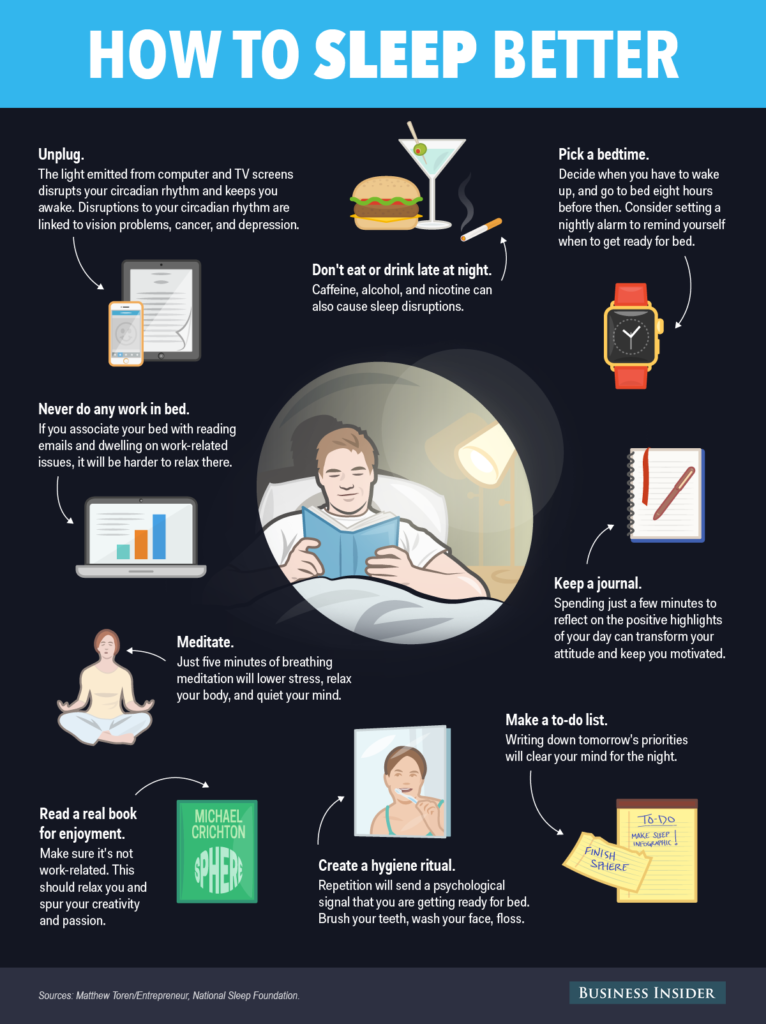
As the old adage goes, “you are what you do repeatedly,” and when it comes to sleep, establishing a consistent bedtime routine can make all the difference. But what exactly should you be doing before bed to improve the quality of your rest? Let’s break down the essential habits to cultivate, debunk common myths, and provide actionable advice for a restful night’s sleep.
1. Avoid Screen Time Before Bed
The temptation to check our phones or scroll through social media before bed can be overwhelming, but it’s crucial to resist this urge. The blue light emitted by smartphones, tablets, and computers can suppress melatonin production, making it harder to fall asleep. Instead, try one of the following alternatives:
- Prepare a soothing tea or warm bath
- Engage in a calming hobby, like knitting or reading
- Practice gentle stretches or meditation
Why Screen Time Before Bed Is Bad for You
While screens may seem harmless, they can have a profound impact on our sleep patterns. Here are some reasons why screen time before bed is detrimental to your sleep:
- Blue light emission: Smartphones, tablets, and computers emit blue light, which can suppress melatonin production, making it harder to fall asleep.
- Stimulating content: Social media, news, and email can be stimulating and exciting, making it difficult to wind down before bed.
- Alertness: Screens can keep you engaged and alert, even when you’re trying to relax.
Tips for a Restful Night’s Sleep
Before we dive into the tips, let’s address some common misconceptions about sleep. Here are a few myths to debunk:
- Myth: You can always catch up on sleep.
- Reality: Prolonged periods of wakefulness can disrupt your body’s natural rhythms and lead to chronic fatigue.
Now, onto the tips!
3. Engage in Calming Activities Before Bed
A calming activity before bed can help reduce stress and anxiety, making it easier to fall asleep. Some popular options include:
- Listening to soothing music or nature sounds
- Practicing yoga or tai chi
- Reading a book or magazine
The Benefits of Calming Activities
Calming activities can have a profound impact on your sleep quality. Here are some benefits of engaging in calming activities before bed:
- Reduced stress and anxiety
- Improved mood
- Increased relaxation
- Better sleep quality
4. Exercise Regularly (But Not Before Bed)
Regular exercise is essential for overall health, but avoid vigorous physical activity within a few hours of bedtime. Instead, try incorporating relaxing exercises, such as:
- Gentle stretching or yoga
- Swimming or walking in the evening
Why Exercise Shouldn’t Be Done Before Bed
While exercise can be beneficial for sleep, it’s not recommended to do it before bed. Here are some reasons why:
- Stimulation: Vigorous exercise can stimulate your body and make it harder to fall asleep.
- Energy boost: Exercise can give you a temporary energy boost, making it difficult to wind down before bed.
5. Create a Conducive Sleep Environment
Your sleep environment plays a significant role in determining the quality of your rest. Make sure to:
- Keep your bedroom cool, dark, and quiet
- Invest in a comfortable mattress and pillows
- Use blackout curtains, earplugs, or a white noise machine if necessary
The Importance of Sleep Environment
A conducive sleep environment can make all the difference in getting a good night’s sleep. Here are some reasons why:
- Improved sleep quality
- Increased relaxation
- Better mood
- Reduced stress and anxiety
6. Establish a Consistent Sleep Schedule
Going to bed and waking up at the same time every day can help regulate your body’s internal clock. This can be challenging, especially on weekends, but try to:
- Stick to your routine as much as possible
- Gradually adjust your sleep schedule if needed
Why Consistency Is Key
Consistency is crucial when it comes to establishing a bedtime routine. Here are some reasons why:
- Improved sleep quality
- Increased relaxation
- Better mood
- Reduced stress and anxiety
7. Limit Caffeine and Nicotine Before Bed
Both caffeine and nicotine can disrupt sleep patterns by increasing alertness and arousal. Try to avoid consuming these substances in the hours leading up to bedtime.
The Effects of Caffeine and Nicotine on Sleep
Caffeine and nicotine can have a significant impact on your sleep quality. Here are some effects of these substances:
- Increased alertness: Both caffeine and nicotine can increase alertness, making it difficult to fall asleep.
- Disrupted sleep patterns: Consuming these substances in the hours leading up to bedtime can disrupt your sleep patterns.
8. Get Morning Sunlight Exposure
Exposure to natural sunlight in the morning helps regulate your circadian rhythms, making it easier to fall asleep at night. Spend some time outside in the morning, or open your curtains to let sunlight in.
The Benefits of Morning Sunlight Exposure
Morning sunlight exposure can have a profound impact on your sleep quality. Here are some benefits:
- Improved sleep quality
- Increased relaxation
- Better mood
- Reduced stress and anxiety
9. Practice Relaxation Techniques Before Bed
Relaxation techniques can help calm your mind and body before sleep. Some popular options include:
- Deep breathing exercises
- Progressive muscle relaxation
- Mindfulness meditation
The Benefits of Relaxation Techniques
Relaxation techniques can have a significant impact on your sleep quality. Here are some benefits:
- Reduced stress and anxiety
- Improved mood
- Increased relaxation
- Better sleep quality
10. Seek Professional Help if Needed
If you’re struggling with persistent sleep issues, consider consulting a healthcare professional. They can help identify underlying causes and provide personalized guidance for improving your sleep quality.
Conclusion
Establishing a bedtime routine can make all the difference in getting a good night’s sleep. By incorporating these tips into your daily routine and debunking common myths about sleep, you’ll be well on your way to establishing a restful bedtime routine that will improve the quality of your rest. Remember, consistency is key, so stick to your routine even on weekends and days off.


