
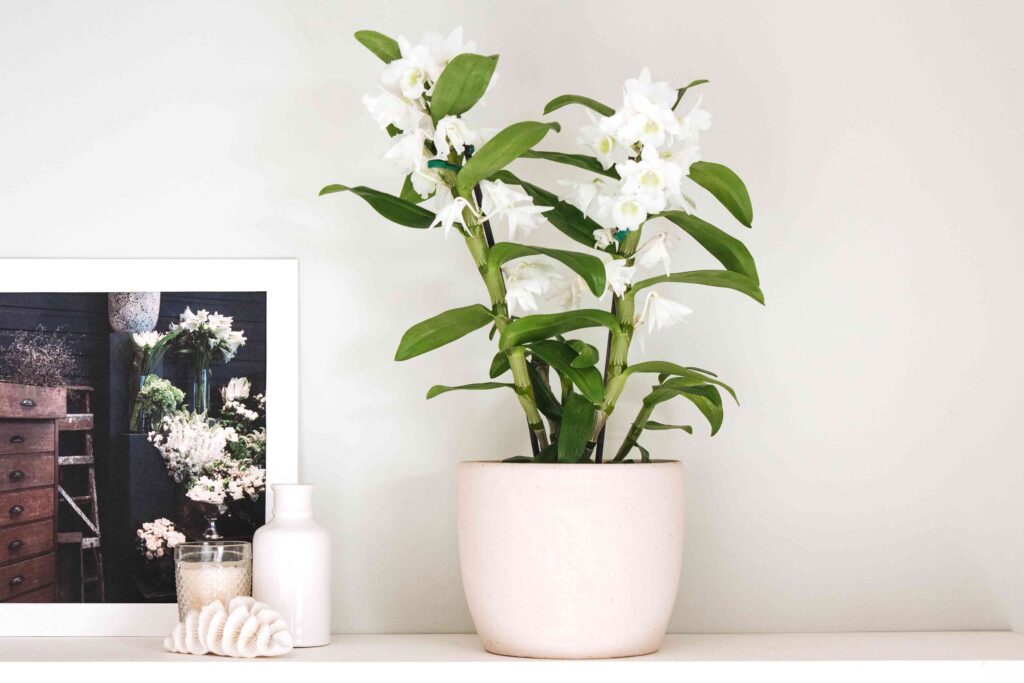
Introduction
As we delve into the realm of orchids, one genus stands out for its incredible diversity and adaptability: Dendrobium. Originating in the Asia-Pacific region, from the Himalayas to Australia and New Zealand, this majestic flower has captivated the hearts of botanists and enthusiasts alike. But what makes Dendrobium so special? Let’s embark on a journey to uncover the secrets behind this extraordinary orchid.
Characteristics: A Tale of Two Worlds
With over 900 species under its belt, Dendrobium is a true marvel of nature. From the towering epiphytes that sprout from trees to the tiny, compact varieties that thrive in shaded environments, each plant has its unique characteristics. One common thread weaves through all these variations: the keiki, or new growth, which emerges on the node and at the base of the stem.
These small, delicate shoots can be separated and transplanted, giving rise to new plants. This remarkable ability allows Dendrobium enthusiasts to share their passion with others, while also providing a glimpse into the intricate lives of these fascinating flowers.
In addition to keiki, Dendrobiums possess other notable features that set them apart from other orchid genera. One such characteristic is their unique floral structure, which often consists of multiple pseudostem-like structures, giving rise to a profusion of blooms. This elaborate arrangement allows for the optimal exposure of reproductive organs, ensuring maximum pollination efficiency.
Curiosities: Uncovering the History and Impact
Did you know that the name “Dendrobium” originates from ancient Greek? The word “dendro,” meaning tree or trunk, is combined with “bios,” signifying life. As we explore the history of Dendrobium, we meet Olaf Swartz, a Swedish botanist who first classified these orchids in 1799. However, it’s Jiro Yamamoto, a renowned Japanese hybridizer, who has contributed significantly to our understanding and appreciation of this genus.
Dendrobium has become an integral part of Australian culture, particularly in Queensland, where it serves as the official floral emblem since 1959. Its beauty has even inspired coin designs, such as the 25-cent Australian dollar coin featuring a stunning Dendrobium bloom.
In recent years, Dendrobiums have also gained recognition for their medicinal properties. The genus contains several species with antimicrobial and antiviral compounds, which have been studied extensively in research settings. One notable example is Dendrobium cuthbertsonii, whose extract has shown potent antibacterial activity against certain strains of bacteria.
Cultivation: Navigating the Challenges and Rewards
While some may view Dendrobium as an intimidating task, cultivating these orchids can be a rewarding experience for those willing to learn. To succeed, it’s essential to understand the specific needs of each species. Climate conditions, lighting, watering, and fertilization all play crucial roles in creating an optimal environment.
In most cases, Dendrobiums have rapid vegetative growth, followed by slower flowering periods. Seed production is also relatively slow. In winter, these orchids enter a state of dormancy, utilizing stored energy reserves within the pseudobulbs.
To successfully cultivate Dendrobiums, it’s crucial to provide the right conditions for optimal growth and blooming. This includes maintaining high humidity levels, using filtered water, and providing balanced fertilization programs.
Caring for Your Dendrobium: Tips and Tricks
To keep your Dendrobium thriving:
- Water carefully, avoiding waterlogged conditions while maintaining humidity.
- Fertilize regularly, combining fertilizer with watering to provide essential nutrients.
- Repotting is crucial; handle roots gently, and avoid over-handling the plant.
Common Problems and Solutions
When growing Dendrobiums, several common issues can arise. One such problem is overwatering, which can lead to root rot and other complications. To prevent this, ensure that your potting media remains well-draining, and monitor watering schedules closely.
Another frequent issue is pests, such as mealybugs or spider mites, which can cause significant damage to the plant. Regularly inspect your Dendrobium for signs of infestation, and take prompt action if necessary.
Propagation: Sharing Your Passion
One of the most exciting aspects of cultivating Dendrobiums is sharing them with others. This can be achieved through division or keiki propagation, where the new growth from the plant’s nodes is carefully separated and replanted in a fresh potting mix.
To propagate successfully, choose healthy keikis, avoid damaging roots or disturbing the node area too much, and provide optimal growing conditions to ensure germination and establishment of the new plants.
Varieties: Exploring the Diverse Range
With over 900 species under its belt, Dendrobiums offer an incredible range of shapes, sizes, colors, and patterns. From the stunning blooms of Dendrobium cuthbertsonii to the delicate pastel hues of Dendrobium australis, each variety has its unique charm.
Some popular varieties among enthusiasts include Dendrobium nobile, known for its elegant white blooms, and Dendrobium philippinense, renowned for its vibrant pink flowers. When selecting a variety, consider factors such as climate suitability, growth habits, and flowering periods to ensure the best fit for your environment.
Conclusion
Dendrobium is more than just a fascinating orchid genus – it’s an incredible journey through the realms of nature. By embracing its unique characteristics, exploring its history, and mastering its cultivation requirements, we can unlock the secrets behind this enchanting flower.
Whether you’re an experienced enthusiast or embarking on your first adventure in cultivating Dendrobiums, we invite you to join us in celebrating the wonders of this incredible orchid genus. With patience, dedication, and the right guidance, you too can unlock the secrets behind these magnificent flowers.
Frequently Asked Questions
- What is the difference between Dendrobium epiphytes and lithophites?
Dendrobium epiphytes grow on other plants or surfaces, while lithophites thrive in rocks or walls. - Why are Dendrobiums often considered challenging to cultivate?
Their specific needs for climate, light, watering, and fertilization can be demanding. - How do I choose the right species for my environment?
Research local conditions and consult with experts to determine the most suitable variety for your area. - Can Dendrobiums be grown indoors?
Yes, but requires careful attention to lighting, humidity, and temperature conditions. - What is the best time to fertilize my Dendrobium?
Fertilize during the active growth period, usually spring and summer, when the plant is actively producing new growth. - How often should I repot my Dendrobium?
Repot every 2-3 years, or as needed, to provide fresh potting media and maintain optimal growing conditions. - Can I propagate Dendrobiums through division?
Yes, but requires care to avoid damaging roots or causing stress to the plant. - What is the most common pest affecting Dendrobiums?
Mealybugs are a common pest that can be treated with insecticidal soap and careful monitoring.
Additional Resources
For further guidance on cultivating Dendrobiums, consider consulting the following resources:
- American Orchid Society (AOS)
- Royal Horticultural Society (RHS)
- Australian Orchid Association (AOA)
- Local nurseries or orchid societies


