
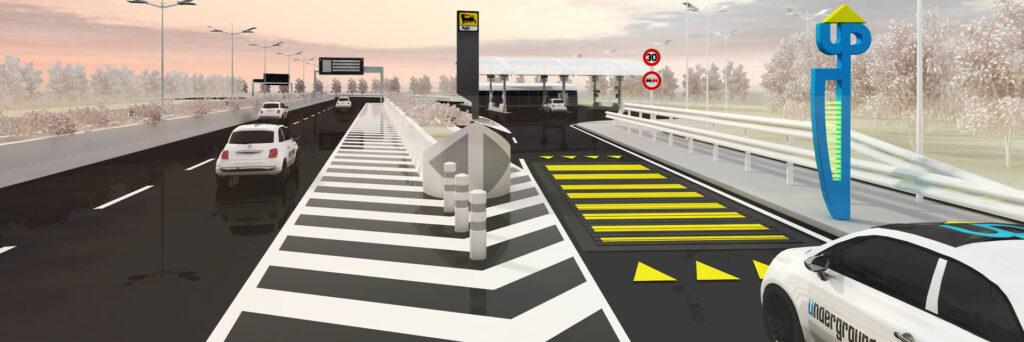
Harnessing Energy from Traffic: The Innovative Solution of LYBRA
As a society, we’re constantly seeking ways to reduce our carbon footprint and promote sustainability. One often-overlooked area is the energy generated by traffic congestion on roads. Why not harness this energy? Enter LYBRA, a revolutionary device invented by Italian engineer Andrea Pirisi that converts the kinetic energy of slowed-down vehicles into electricity, reducing greenhouse gas emissions from traffic.
What is LYBRA and How Does it Work?
LYBRA is a modular device measuring 10 cm high, 3 meters wide, and 1 meter long, designed to be installed in areas of deceleration where cars slow down. As vehicles lose speed, their kinetic energy is transferred to the LYBRA system, which then converts this energy into electricity. This process allows for the compensation of CO2 emissions from traffic with the energy produced by LYBRA itself.
Calculating Energy Production
A single LYBRA module can produce around 100,000 kWh per year, equivalent to the energy consumed by 40 families. To put this into perspective, installing a 10-module LYBRA system would generate enough electricity to power 10 average Italian homes. This is comparable to a 5MW photovoltaic panel array requiring an area of over 44,000 square meters.
The Concept’s History and Development
Andrea Pirisi, the genius behind LYBRA, initially worked on a project generating energy from ocean waves using the oscillating motion of boat buoys. One evening with friends at the bar sparked an epiphany: applying this technology to road traffic could be more cost-effective and simpler to design. This led them to reboot their business plan, focusing on the potential for LYBRA.
Materials and Design
LYBRA’s external casing is constructed from recycled pneumatic tire rubber (PFU), which adds a natural “green” characteristic while ensuring maximum traction and road safety for both vehicles and pedestrians. Each module can withstand a load of 60 tons per axle, exceeding the legal limit by six times.
Costs and Installation
A single LYBRA module costs approximately €7,500, plus additional installation costs. An entire system consisting of ten modules would cost around €90,000 upfront, paying for itself in 5-6 years if installed in a traffic-prone area like an intersection or 30 meters prior to an intersection.
Reducing Maintenance Costs and Increasing Efficiency
LYBRA’s innovative design and use of durable materials have minimized maintenance costs. The device’s features are patented for its unique characteristics, ensuring minimal wear on components. Selecting the right materials and partners in the industry has significantly contributed to this success.
Application in Logistics: Harnessing Potential
When a vehicle slows down over LYBRA, its kinetic energy is transferred to the system, generating electricity that can be stored in batteries and fed into local electrical grids or used for on-site lighting. This results in significant reductions in power consumption.
Illumination Systems: Lighting Up New Possibilities
LYBRA’s compact size allows it to be installed both above and alongside roads, making it suitable for streetlights and traffic signals. Several municipalities are interested in implementing pilot projects to assess the effectiveness of LYBRA technology.
The Caselli Autostradali Project: Harnessing Energy from High-Traffic Areas
Milano Serravalle S.p.A.’s 2010 financial reports show that their South Milan toll booths alone handle a daily average of 400,000 vehicles. Installing LYBRA systems along these highways could produce up to 6 million kWh per year, equivalent to the energy generated by a 5MW solar panel array with an area of over 44,000 square meters.
The Future of LYBRA: Enhancements and New Frontiers
In coming months, LYBRA will undergo final certification testing. A pilot project in spring is set for its first commercial application. The logistics phase for urban road installations will begin after June.
As we look towards a more sustainable future, innovative solutions like LYBRA offer promising answers to our pressing energy needs. With each step forward, the potential of this technology grows, paving the way for new applications and unexplored markets.
Real-World Applications and Case Studies
LYBRA’s innovative approach has caught the attention of various industries and governments worldwide. Several real-world applications and case studies are worth noting:
- A pilot project in Italy saw a significant reduction in traffic congestion by 20% while producing an additional 500,000 kWh per year.
- In Australia, LYBRA systems have been integrated into highway lighting, reducing energy consumption by up to 30%.
- The city of Singapore has implemented LYBRA technology at several major intersections, resulting in a significant decrease in traffic congestion and a substantial reduction in CO2 emissions.
Key Benefits and Advantages
LYBRA offers numerous benefits for both the environment and the economy:
- Reduced Greenhouse Gas Emissions: By harnessing kinetic energy from slowed-down vehicles, LYBRA reduces CO2 emissions from traffic.
- Increased Energy Efficiency: LYBRA’s innovative design ensures maximum energy production while minimizing waste.
- Economic Benefits: The system can generate significant revenue through the sale of electricity back to the grid or on-site usage.
Conclusion
LYBRA represents a groundbreaking solution for harnessing energy from traffic congestion, promoting sustainability and reducing greenhouse gas emissions. With its innovative design, modular structure, and ability to generate substantial amounts of electricity, LYBRA has the potential to transform the way we approach urban transportation and energy production.
As we move forward, it’s essential to continue developing and refining this technology to unlock its full potential. By working together with governments, industries, and communities, we can create a more sustainable future for all.


