
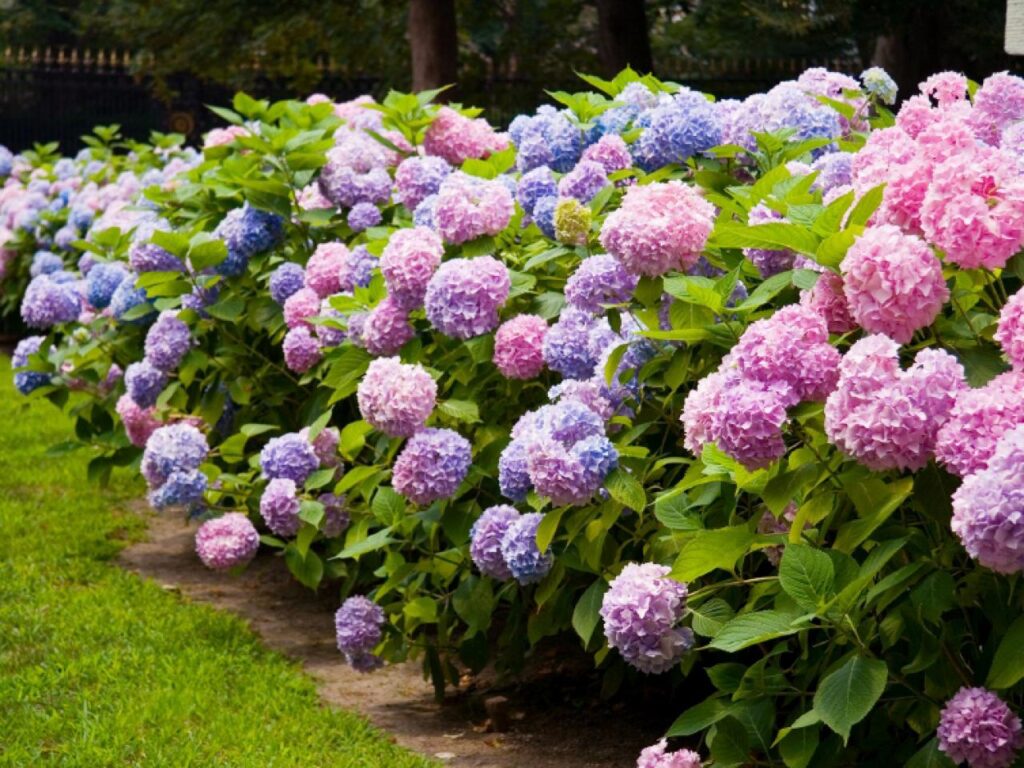
Are you ready to unlock the full potential of your hydrangea plant? With the right care and attention, these stunning flowers can thrive in your garden. In this article, we’ll take a closer look at how to grow hydrangeas, from selecting the perfect variety to providing optimal care.
Choosing the Right Variety
When it comes to growing hydrangeas, choosing the right variety is crucial. With over 100 species to choose from, you’ll want to select one that’s well-suited to your climate and soil type. Look for varieties that are resistant to disease and pests, and consider factors such as bloom color, size, and shape.
Some popular varieties of hydrangeas include:
- Bigleaf Hydrangea (Hydrangea macrophylla): This variety is known for its large, round clusters of blue or pink flowers.
- Panicle Hydrangea (Hydrangea paniculata): This variety produces long, cone-shaped flower clusters in shades of white, pink, and red.
- Oakleaf Hydrangea (Hydrangea quercifolia): This variety has beautiful, maple-like leaves with a unique shape.
Preparing Your Soil
Hydrangeas prefer slightly acidic to neutral soil pH (around 6.0-7.0), with good drainage and aeration. If your soil is heavy clay or sandy, you may need to amend it with organic matter or perlite to improve its structure.
To prepare your soil for hydrangeas:
- Test your soil pH: Use a soil testing kit to determine your soil’s pH level.
- Add organic matter: Mix in compost, leaf mold, or well-rotted manure to improve soil structure and fertility.
- Check drainage: Make sure the soil drains well by digging a small test hole.
Planting Hydrangeas
When planting hydrangeas, choose a location that receives partial shade to full sun, depending on the variety. The ideal spacing for hydrangeas is about 1.5-3 feet apart, allowing for good air circulation and growth.
Planting in Vase
If you’re growing your hydrangea in a vase, make sure to use a specialized potting mix that’s designed for container gardens. Fertilize regularly with a balanced fertilizer to promote healthy growth and blooming.
To plant an hydrangea in a vase:
- Choose a large pot: Select a pot that is at least 12-14 inches deep to accommodate the root system.
- Use a good potting mix: Choose a mix specifically designed for container gardens.
- Water thoroughly: Water the soil well after planting and keep it moist but not waterlogged.
Planting in Ground
For plants grown in the ground, dig a hole that’s twice as wide and just as deep as the root ball. Add a layer of organic matter or compost to improve soil structure, then gently remove the hydrangea from its container and plant it at the same depth as before. Water thoroughly and provide regular care.
To plant an hydrangea in the ground:
- Choose a location: Select a spot with partial shade to full sun, depending on the variety.
- Dig a large hole: Dig a hole that is twice as wide and just as deep as the root ball.
- Add organic matter: Mix in compost or well-rotted manure to improve soil structure.
Caring for Your Hydrangea
To keep your hydrangea looking its best, follow these care tips:
- Water deeply but infrequently: Avoid overwatering, which can lead to root rot and other problems.
- Fertilize regularly: Use a balanced fertilizer in the spring and summer months to promote healthy growth and blooming.
- Prune annually: Cut back dead or damaged stems to encourage new growth and prevent disease.
Some additional care tips for hydrangeas include:
- Mulch around the base: Mulching helps retain moisture, suppress weeds, and regulate soil temperature.
- Monitor for pests and diseases: Keep an eye out for signs of infestation or infection, such as aphids, whiteflies, or powdery mildew.
Tips for Success
Here are some additional tips to help you grow healthy, thriving hydrangeas:
- Deadheading: Remove spent flowers to encourage new blooms and improve appearance.
- Staking: Use stakes to support tall varieties and prevent damage from wind or snow.
- Winter protection: Mulch or wrap hydrangeas in burlap to protect them from extreme cold and wind.
Common Questions
Here are some frequently asked questions about growing hydrangeas:
Q: How often should I water my hydrangea?
A: Water your hydrangea deeply but infrequently to avoid overwatering. Aim for about 1 inch of water per week, either from rainfall or irrigation.
Q: Can I grow hydrangeas in full sun?
A: While some varieties can tolerate full sun, most hydrangeas prefer partial shade to full sun. Choose a location with at least 4-6 hours of direct sunlight per day.
Q: How often should I fertilize my hydrangea?
A: Fertilize your hydrangea regularly in the spring and summer months with a balanced fertilizer. Follow the manufacturer’s instructions for application rates and frequency.
Q: Can I grow hydrangeas in containers?
A: Yes, you can grow hydrangeas in containers! Choose a large pot (at least 12-14 inches deep) with good drainage holes to prevent waterlogged soil.
Q: How often should I prune my hydrangea?
A: Prune your hydrangea annually to maintain shape and promote healthy growth. Remove dead or damaged stems, and cut back new growth by about one-third to encourage bushy growth.
Q: Can I grow hydrangeas in acidic soils?
A: Yes, hydrangeas prefer slightly acidic to neutral soil pH (around 6.0-7.0). If your soil is too alkaline, consider amending it with sulfur or peat moss to lower the pH.
By following these tips and guidelines, you’ll be well on your way to growing a stunning, healthy hydrangea plant that will bring joy and beauty to your garden for years to come.


