
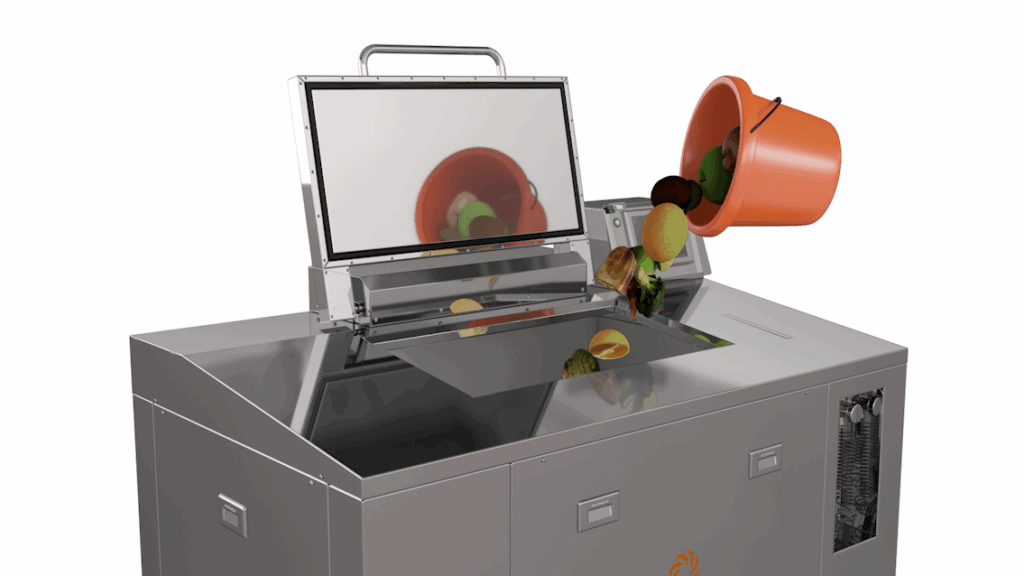
In recent years, there has been a growing interest in sustainable practices and reducing waste. One area that has gained significant attention is the use of organic waste as a source of energy. Biodigesters are a revolutionary technology that converts organic waste into clean energy by harnessing the power of microorganisms. In this article, we will explore the concept of biodigesters, their benefits, and the potential applications of this innovative technology.
What are Biodigesters?
Biodigesters are specialized systems designed to break down organic matter using microorganisms. These microorganisms feed on the waste material, producing biogas (a mixture of methane and carbon dioxide) and nutrient-rich fertilizers as byproducts. The biogas can be used as a renewable energy source, while the fertilizer can be applied to crops, reducing the need for synthetic fertilizers.
The Benefits of Biodigesters
Biodigesters offer several benefits over traditional waste management methods:
- Reduced Greenhouse Gas Emissions: By converting organic waste into biogas, biodigesters reduce greenhouse gas emissions associated with landfills and waste incineration.
- Renewable Energy Source: Biogas produced by biodigesters can be used as a renewable energy source, providing a cleaner alternative to fossil fuels.
- Nutrient-Rich Fertilizers: The fertilizer produced by biodigesters is rich in nutrients, making it an effective and sustainable way to fertilize crops.
- Water Conservation: Biodigesters can reduce the amount of wastewater generated by reducing organic waste disposal.
- Job Creation and Economic Benefits: Biodigester operations create jobs and stimulate local economies through the production of energy, fertilizer, and other valuable products.
The Sacramento Biodigestor: A Model for Sustainability
In California, the city of Sacramento is pioneering the use of biodigesters to tackle its organic waste problem. The 25-tonne per day biodigestor, operated by CleanWorld, is a state-of-the-art facility that converts food scraps and other biodegradable materials into clean energy.
The Sacramento biodigestor is equipped with the latest “AD” (anaerobic digestion) technology, developed at the University of Davis. This innovative approach uses microorganisms to break down waste in a controlled environment, producing biogas and fertilizer as byproducts.
How Biodigesters Work
So, how do biodigesters actually work? It’s quite simple:
- Organic Waste Feeding: Organic waste is fed into the biodigestor, where it’s mixed with water and microorganisms.
- Anaerobic Digestion: The mixture undergoes anaerobic digestion, where microorganisms break down the organic matter into biogas and fertilizer.
- Biogas Capture: The biogas produced during the digestion process is captured and used as fuel for vehicles or electricity generation.
The Future of Biodigesters
As the world grapples with climate change and sustainability challenges, biodigesters are emerging as a game-changer in the field of waste management. With their potential to reduce greenhouse gas emissions by up to 80%, they’re an attractive solution for cities, towns, and industries looking to transition to cleaner energy sources.
But what’s next? As technology improves and economies of scale increase, we can expect to see:
- Larger-Scale Biodigesters: Larger biodigesters that can handle massive amounts of waste will become more prevalent.
- Integration with Existing Infrastructure: Biodigesters will be integrated with existing infrastructure, such as wastewater treatment plants, to create closed-loop systems.
- Development of New Applications: Biogas and fertilizer produced by biodigesters will find new applications in industries such as transportation and agriculture.
Conclusion
The Sacramento biodigestor is just one example of the power and potential of biodigesters. As we move forward in this journey towards sustainability, it’s essential to recognize the impact that technology can have on our planet. By harnessing the power of microorganisms, biodigesters offer a revolutionary solution for reducing waste and promoting sustainable development.
FAQs
- Q: How much energy do biodigesters produce?
A: Biodigesters can produce up to 2 million kilowatt-hours (kWh) of electricity per year. - Q: What is anaerobic digestion, and how does it work?
A: Anaerobic digestion is a process where microorganisms break down organic matter in the absence of oxygen, producing biogas and fertilizer as byproducts. - Q: Can biodigesters be used for wastewater treatment?
A: Yes, biodigesters can be integrated with existing wastewater treatment plants to reduce greenhouse gas emissions and produce biogas. - Q: How much space do biodigesters require?
A: Biodigesters can operate in a variety of settings, from small urban areas to large industrial sites. - Q: What are the costs associated with installing a biodigestor?
A: The initial investment for a biodigestor can range from $500,000 to $2 million, depending on the size and technology used. - Q: Can biodigesters be used for small-scale applications?
A: Yes, biodigesters can be used for small-scale applications, such as organic waste management in restaurants or households. - Q: How do biodigesters affect soil quality?
A: Biodigesters produce nutrient-rich fertilizers that can improve soil health and fertility. - Q: Can biodigesters be used for transportation fuel?
A: Yes, biogas from biodigesters can be converted into transportation fuels such as diesel, gasoline, or jet fuel.
Case Studies
- Vermont Organic Milk Co-op: The Vermont Organic Milk Co-op has implemented a biodigester system to reduce its organic waste and produce biogas for energy.
- Green Mountain Energy: Green Mountain Energy has partnered with the University of Colorado Boulder to develop a large-scale biodigestor that will produce electricity from agricultural waste.
- City of San Francisco: The City of San Francisco is launching a pilot program to use biodigesters to manage organic waste and produce biogas for energy.
Conclusion
In conclusion, biodigesters offer a revolutionary solution for reducing waste and promoting sustainable development. By harnessing the power of microorganisms, these systems can convert organic waste into clean energy, nutrient-rich fertilizers, and other valuable products. As technology improves and economies of scale increase, we can expect to see larger-scale biodigesters that will transform the way we manage waste and produce energy.


