
As we buy food products, it’s common for us to check the expiration date and other information on the label. But when it comes to cosmetics, many of us don’t do the same. Reading cosmetic labels can help us use these products safely and effectively. In this article, we’ll explore how to read cosmetic labels, what information is required by law, and how to choose products that suit our needs.
The Importance of Reading Cosmetic Labels
Just like food products, cosmetics have their own set of regulations when it comes to labeling. The European Union has strict guidelines on what information must be included on the label of a cosmetic product. This includes details about the ingredients used, as well as instructions for use and safety precautions.
Cosmetic labels play a crucial role in ensuring our safety and well-being. By reading the label correctly, we can avoid using products that may contain harmful ingredients or cause allergic reactions. Moreover, understanding what information is required by law helps us make informed decisions about the products we use.
Understanding Ingredient Lists
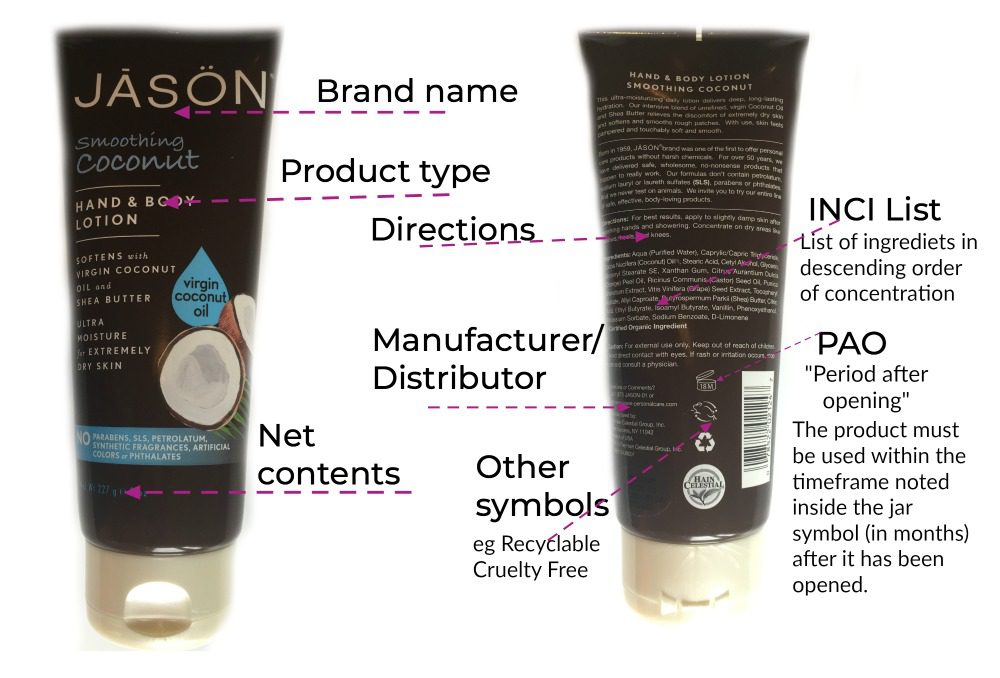
One of the most important things to look for on a cosmetic label is the ingredient list. This list should include all of the ingredients used in the product, in descending order of their weight. Any ingredients that make up less than 1% of the product can be listed alphabetically rather than by weight.
When reading an ingredient list, it’s essential to recognize different types of ingredients:
- Active ingredients: These are the main ingredients responsible for the product’s intended purpose.
- Inactive ingredients: These include additives like preservatives, fragrances, and thickeners that help stabilize and enhance the product.
- Fillers: These are inert ingredients used to bulk up the product or reduce costs.
Additional Information Required by Law
In addition to the ingredient list, there are several other pieces of information that must be included on a cosmetic label. These include:
- The net content at the time of manufacture, including the weight or volume of the product
- A unique identifier for each batch of product, known as the lot number
- The country of origin for products manufactured outside of the European Union
- A description of the product’s intended use
- Instructions for use and any necessary safety precautions
- Information about the manufacturer or distributor of the product
What to Look For on a Cosmetic Label
When reading a cosmetic label, there are several things to look for. These include:
- The name of the ingredients used, which must be listed using an international code known as INCI (International Nomenclature of Cosmetic Ingredients)
- A list of fragrance or aroma ingredients, which can be listed under a single term such as “parfum” or “perfume”
- Information about any potential allergens or irritants
- Any warnings or cautions provided by the manufacturer
Why Reading Cosmetic Labels Matters
Reading cosmetic labels can help us make informed decisions about the products we use. By checking the ingredient list and other required information, we can avoid using products that may contain ingredients that cause allergic reactions or other issues.
For people with sensitive skin or allergies, reading cosmetic labels is especially important. By choosing products that are formulated for our specific needs, we can reduce the risk of irritation or adverse reactions.
Common Ingredients to Watch Out For
Some ingredients have been linked to potential health risks, including:
- Parabens: These preservatives have been shown to be endocrine disruptors and may cause hormonal imbalances.
- Phthalates: These chemicals have been linked to reproductive issues and other health problems, such as developmental delays and birth defects.
- Synthetic fragrances: These can cause skin irritation and allergic reactions in some individuals.
The Role of Natural Ingredients
Natural ingredients are a popular choice among consumers who prioritize sustainability and safety. However, it’s essential to understand the benefits and drawbacks of using natural ingredients:
- Benefits: Natural ingredients can be gentler on the skin and may reduce the risk of allergic reactions.
- Drawbacks: Some natural ingredients may not be as effective or stable as synthetic alternatives.
Conclusion
Reading cosmetic labels is an important step in ensuring our safety and well-being. By understanding what information must be included on the label and what ingredients to watch out for, we can make informed decisions about the products we use.
Here are some frequently asked questions about cosmetic labeling:
FAQs
- What is INCI?
INCI (International Nomenclature of Cosmetic Ingredients) is a system used to name ingredients in cosmetics. It ensures that all ingredient names are consistent and accurate across different countries. - Why do I need to read the ingredient list?
Reading the ingredient list can help you avoid using products that contain harmful ingredients or cause allergic reactions. - What is the difference between natural and synthetic fragrances?
Natural fragrances are derived from plants, while synthetic fragrances are man-made. Synthetic fragrances have been linked to skin irritation and allergic reactions. - Can I use products with parabens?
While some people may not experience any issues with parabens, they have been shown to be endocrine disruptors in some studies. If you’re concerned about parabens, look for products that are labeled as “paraben-free.” - How do I choose a product with the right ingredients for my skin type?
When choosing a product, consider your skin type and concerns. For example, if you have dry skin, look for products that contain moisturizing ingredients like hyaluronic acid or glycerin.
Additional Tips for Reading Cosmetic Labels
- Always check the ingredient list carefully, even if the label claims to be “natural” or “organic.”
- Look for certifications like cruelty-free, vegan, or eco-friendly, which can indicate a product’s commitment to sustainability and animal welfare.
- Be aware of any potential allergens or irritants listed on the label.
- If you’re unsure about anything on the label, contact the manufacturer or retailer for clarification.
Making Informed Decisions
By reading cosmetic labels and understanding what information is required by law, we can make informed decisions about the products we use. Remember to always prioritize your safety and well-being when choosing cosmetics.
Here are some additional resources for further learning:
- The Cosmetic Ingredient Review (CIR) is a non-profit organization that evaluates the safety of cosmetics ingredients.
- The European Union’s Cosmetic Regulation provides guidelines for labeling and formulation in the cosmetic industry.
- The National Institute of Environmental Health Sciences (NIEHS) offers information on the potential health risks associated with certain cosmetic ingredients.
By taking the time to read cosmetic labels and understand what’s inside, we can enjoy healthy, effective, and safe cosmetics that meet our unique needs.


