
As the weather warms up, our outdoor plants are more susceptible to fungal diseases that can affect both vegetables and ornamental plants. While there are commercial products available to combat these pathogens, they often contain harmful chemicals for the environment. Fortunately, nature provides a solution, and we’ll explore how to effectively and eco-friendly debell (control) fungal diseases using natural remedies.
Understanding Fungal Diseases
Fungal diseases, such as oidium, affect plants by causing unsightly discoloration on leaves and stems. In the case of oidium, the disease presents with white spots on green parts, followed by leaf yellowing and drying. The presence of this fungus is facilitated by humidity, both low and high temperatures.
Prevention: A Proactive Approach
To avoid fungal diseases like oidium, follow these preventative measures:
- Avoid watering leaves when watering plants: Water at the base of the plant to prevent water from running down the stem and onto the leaves.
- Maintain adequate spacing between plants: Good air circulation helps prevent moisture from accumulating on leaves and promoting fungal growth.
- Refrain from watering in the evening: This reduces the risk of water sitting on leaves overnight, creating an ideal environment for fungi to develop.
By taking a proactive approach to preventing fungal diseases, you can significantly reduce their occurrence and protect your plants.
Making Your Own Fungal Disease Remedies
One of the most effective ways to control fungal diseases is by making your own natural remedies. Here are some recipes you can try:
- Acetic Acid Solution: Mix 10 ml of acetic acid with 1 liter of water (acetic acid can be purchased at a local nursery or pharmacy).
- Acetic acid has antifungal properties that help control fungal growth.
- Always dilute the acetic acid in water before applying it to your plants, as undiluted acetic acid can damage leaves and stems.
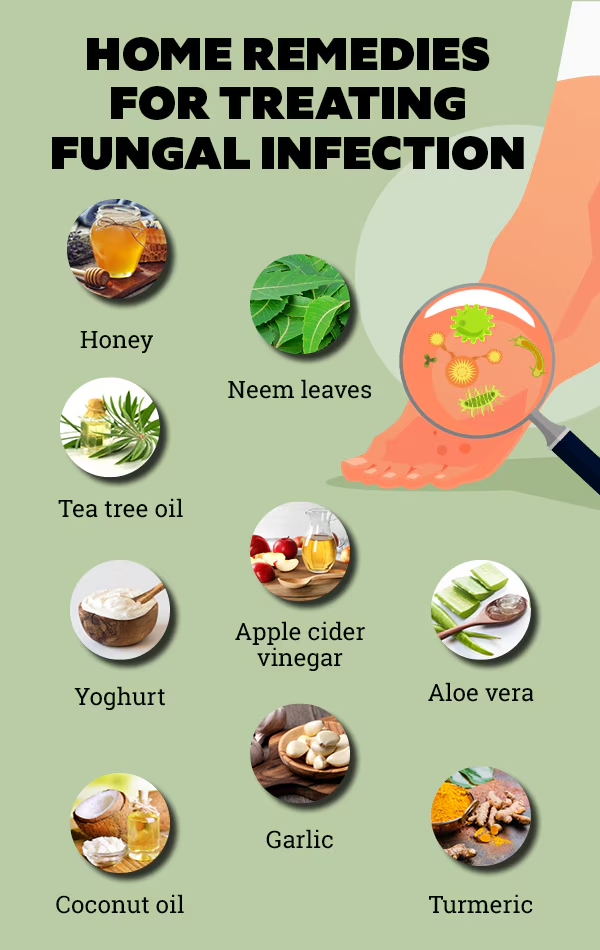
- Garlic Solution: Add 4 cloves of minced garlic to a liter of water and let it macerate for a night. Strain the solution before spraying
- Garlic contains compounds that have antifungal properties, making it an effective natural remedy against fungal diseases.
- Be sure to strain the solution after letting it sit overnight to remove any remaining garlic particles.
- Bicarbonate Solution: Add 1 teaspoon of bicarbonate to 2 liters of water
- Bicarbonate has antifungal properties that help control fungal growth.
- This solution is particularly effective against powdery mildew and other fungal diseases that cause white powdery patches on leaves.
- Equisetum Solution: Chop finely a handful of equisetum, cover it with water, and let it sit for 24 hours. Filter and dilute the liquid with 5 parts of water
- Equisetum has antifungal properties that help control fungal growth.
- Be sure to filter the solution after letting it sit overnight to remove any remaining equisetum particles.
- Lactic Acid Solution: Mix 1 part of lactic acid with 2 parts of water. Spray every 3-4 days when you notice the first signs of oidium
- Lactic acid has antifungal properties that help control fungal growth.
- Always dilute the lactic acid in water before applying it to your plants, as undiluted lactic acid can damage leaves and stems.
Treating Fungal Diseases: A Timely Response
When you spot the first signs of fungal diseases, take immediate action to treat them:
- Watering: Water plants thoroughly with a strong stream of water to remove as much fungus as possible
- Use a hose with a spray nozzle to deliver a strong jet of water directly onto infected areas.
- Avoid using water at night to prevent moisture from accumulating on leaves and promoting fungal growth.
- Removing Infected Leaves: Remove any infected leaves to prevent the spread of disease
- Wear gloves when handling infected leaves or stems to avoid transferring the fungus to healthy plants.
- Dispose of infected plant material in a sealed bag to prevent the spread of disease.
- Applying Natural Remedies: Apply one of the natural remedies mentioned above to all parts of the plant
- Spray the remedy evenly over all affected areas, making sure to cover both sides of leaves and stems.
- Repeat the application 1 or 2 times a week, depending on humidity levels.
Timing is Everything: When to Treat Fungal Diseases
To ensure effective treatment, apply the natural remedy in the morning before the sun becomes too high. If necessary, repeat the application 1 or 2 times a week, depending on humidity levels.
- Humidity Levels: High humidity levels can exacerbate fungal growth, so it’s essential to treat affected plants promptly when conditions are favorable for fungal development.
- Temperature: Avoid treating plants in extreme temperatures, as this can cause damage to leaves and stems. Apply remedies during cooler periods of the day or in the early morning when possible.
By understanding fungal diseases, taking preventative measures, making your own natural remedies, treating infected plants promptly, and applying them at the right time, you can successfully debell fungal diseases and protect your plants from harm.
Common Fungal Diseases and Their Natural Remedies
Here are some common fungal diseases and their corresponding natural remedies:
- Powdery Mildew: Bicarbonate Solution
- This solution is particularly effective against powdery mildew, which causes white powdery patches on leaves.
- Downy Mildew: Equisetum Solution
- Equisetum has antifungal properties that help control fungal growth, making it an effective natural remedy against downy mildew.
- Root Rot: Garlic Solution
- Garlic contains compounds that have antifungal properties, making it an effective natural remedy against root rot caused by fungal pathogens.
Conclusion
Debelling fungal diseases requires a proactive approach to prevention, a timely response to treatment, and the application of natural remedies. By understanding fungal diseases, taking preventative measures, making your own natural remedies, treating infected plants promptly, and applying them at the right time, you can successfully protect your plants from harm. Always remember to follow safety precautions when handling plant materials and chemicals, and consult with a local nursery or gardening expert if needed.


