
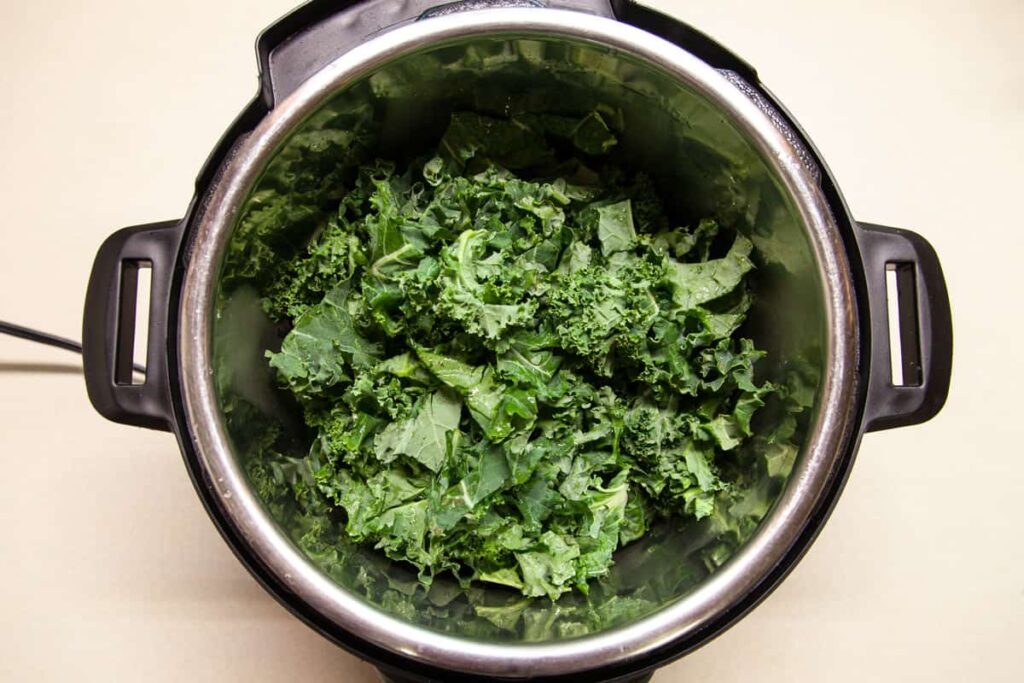
Introduction
As we strive to reduce our environmental footprint, the kitchen becomes a battleground against waste and inefficiency. Among the many tools that can help us achieve this goal is the humble pressure cooker. In this article, we’ll delve into the world of pressure cooking, exploring its benefits, history, and features, as well as its impact on the environment.
What are Pressure Cookers?
A pressure cooker is a type of cookware that uses high-pressure steam to accelerate cooking times. By reducing the volume of air inside the pot, it creates a vacuum that raises the boiling point of liquids, allowing for faster and more energy-efficient cooking. This innovative design has made pressure cookers a staple in many kitchens worldwide.
A Green Alternative
Pressure cookers are often referred to as “green” kitchen tools because they significantly reduce cooking time while minimizing energy consumption. By using less fuel, you can save on your utility bills and contribute to a more sustainable lifestyle. This eco-friendly aspect of pressure cooking has made it a popular choice among environmentally conscious cooks.
History of Pressure Cookers
The first pressure cookers emerged in the 18th century, but they weren’t widely adopted until the mid-20th century. The introduction of modern materials like stainless steel and Teflon made pressure cookers more durable and resistant to corrosion. Today, you can find pressure cookers from reputable brands like Lagostina, which have become synonymous with quality and performance.
Design and Features
Pressure cookers come in a range of designs, but most feature a few essential components:
- Valve: Regulates the pressure inside the pot
- Safeguard valve: Prevents accidents by releasing excess steam
- Gasket or seal: Creates a watertight seal to prevent leaks
- Heat-resistant handle: Ensures safe handling and lifting
Some high-end models also include additional features like:
- Dual-pressure control: Allows you to adjust pressure levels for specific cooking tasks
- Automatic shut-off: Turns off the burner when cooking is complete
- Non-stick coating: Reduces food residue and makes cleaning easier
Benefits of Pressure Cookers
Pressure cookers offer numerous benefits that make them an attractive option for home cooks:
- Faster cooking times: Up to 70% faster than traditional methods
- Energy efficiency: Uses less fuel to achieve the same results
- Nutrient preservation: Helps retain vitamins and minerals in food
- Versatility: Suitable for a wide range of dishes, from soups to stews
Choosing the Right Pressure Cooker
When selecting a pressure cooker, consider the following factors:
- Material: Stainless steel or aluminum are popular choices due to their durability and resistance to corrosion
- Capacity: Choose a size that suits your cooking needs, but keep in mind larger pots may be more challenging to handle
- Safety features: Look for models with multiple safety valves and automatic shut-off for added peace of mind
Cooking with Pressure Cookers: Tips and Tricks
To get the most out of your pressure cooker, follow these cooking tips:
- Brown meat before adding liquid: Enhances flavor and texture
- Use the right liquid ratio: Ensure proper steam formation and prevent explosions
- Monitor pressure levels: Adjust as needed to achieve optimal results
- Don’t overfill the pot: Leave space for expansion and easy cleaning
Sustainable Food Options
Pressure cookers are particularly useful when cooking with sustainable food options. Here are some ideas:
- Beans and legumes: Pressure cookers make it easy to prepare these protein-rich foods
- Vegetables: Use your pressure cooker to quickly steam or sauté vegetables for a healthy side dish
- Whole grains: Cook quinoa, brown rice, or other whole grains in your pressure cooker for a nutritious base for meals
Innovative Pressure Cooker Designs
Pressure cookers have evolved over the years, and some designs are more innovative than others. Here are a few examples:
- Lagostina’s Staub Pressure Cooker: This high-end model features a dual-pressure control and automatic shut-off for added safety
- Instant Pot’s Smart Cooking System: This pressure cooker includes Wi-Fi connectivity and allows you to control it remotely using your smartphone
Conclusion
Pressure cookers have come a long way since their inception, evolving into powerful kitchen tools that can help reduce waste, save energy, and preserve nutrients. With the right features, design, and cooking techniques, pressure cookers can become an indispensable part of your kitchen arsenal.
Frequently Asked Questions (FAQs)
Q: Are pressure cookers safe to use?
A: Yes, modern pressure cookers are designed with multiple safety valves and automatic shut-off to prevent accidents. Always follow the manufacturer’s instructions for usage and maintenance.
Q: What types of food can I cook in a pressure cooker?
A: Pressure cookers are suitable for a wide range of dishes, including soups, stews, chili, beans, grains, and even some baked goods.
Q: Do I need to use special cooking liquid?
A: No, you can use any type of liquid, but make sure it’s not too low in volume or high in salt. The right liquid ratio will ensure proper steam formation and prevent explosions.
Q: Can I use a pressure cooker for canning?
A: Yes, some pressure cookers are specifically designed for canning. Always follow safe canning practices and consult the manufacturer’s guidelines for usage.
Q: How do I clean my pressure cooker?
A: After each use, clean your pressure cooker with soap and water. Avoid using abrasive materials or harsh chemicals, which may damage the pot or harm your health.
Q: Can I store my pressure cooker in a garage or basement?
A: No, it’s recommended to store your pressure cooker in a cool, dry place away from direct sunlight and moisture. This will help prevent rust and maintain its longevity.
Q: Are there any specific cooking techniques for pressure cookers?
A: Yes, some cooking techniques are better suited for pressure cookers than others. Always follow the manufacturer’s guidelines and consult recipes specifically designed for pressure cooker use.


