
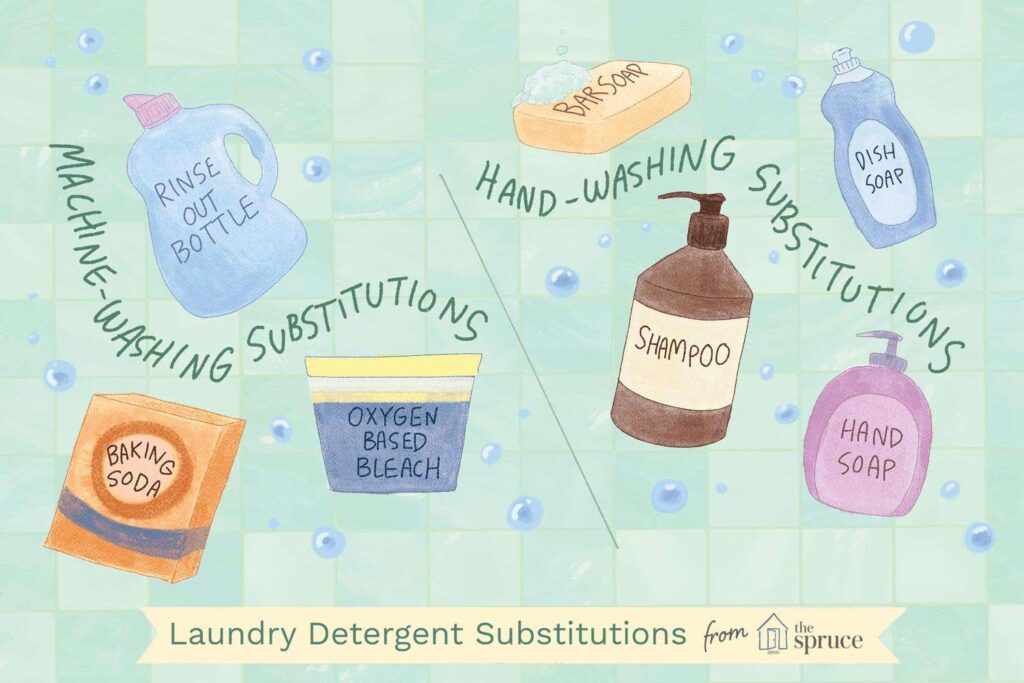
Are you tired of using harsh detergents that harm the environment? Do you want to reduce your carbon footprint and live a more sustainable lifestyle? Look no further! In this article, we’ll explore the world of washing without detergent and provide you with practical tips on how to do it safely and effectively.
The Benefits of Washing Without Detergent
Washing without detergent is not only good for the environment, but it’s also good for your clothes and your wallet. Here are just a few benefits:
- Reduces waste: Many detergents contain harsh chemicals that can harm the environment.
- Saves money: Making your own detergent can be cost-effective and eco-friendly.
- Gentle on clothes: Washing without detergent can be gentler on your clothes than using traditional detergents.
Natural Alternatives to Detergent
There are many natural alternatives to detergent that you can use for washing. Here are a few options:
- Baking soda: This natural mineral is great for absorbing odors and softening water.
- Washing soda: Similar to baking soda, washing soda is a natural mineral that’s great for removing tough stains and odors.
- White vinegar: Adding white vinegar to your wash cycle can help remove odors and soften water.
- Borax: This natural mineral is great for absorbing odors and softening water.
The Science Behind Washing Without Detergent
So why does washing without detergent work? Here are a few explanations:
- Water’s power: Water is an amazing cleaning agent that can dissolve even the toughest stains.
- Soap’s limitations: Traditional detergents rely on harsh chemicals to clean clothes, but these chemicals can damage fabrics and harm the environment.
- Natural alternatives: Using natural ingredients like baking soda, washing soda, and white vinegar creates a gentle yet effective cleaning solution.
How to Wash Without Detergent
Washing without detergent may seem daunting, but it’s easier than you think! Here are a few tips:
- Use the right washing cycle: Choose a gentle wash cycle that won’t damage your clothes.
- Pre-treat stains: Before washing, pre-treat any tough stains with baking soda or washing soda.
- Add natural detergent: Mix baking soda, washing soda, white vinegar, and borax to create a natural detergent blend.
- Rinse thoroughly: Make sure to rinse your clothes thoroughly to remove any residue.
Tips for Specific Fabric Types
- Delicate fabrics: Use cold water and gentle cycles when washing delicate fabrics like silk or wool.
- Wool: Wash wool fabrics in cold water with mild soap, then dry them flat to prevent shrinkage.
- Synthetic fibers: Use hot water and a regular detergent cycle when washing synthetic fibers like polyester or nylon.
Common Mistakes to Avoid
- Overloading the washing machine
- Using too much water
- Not rinsing clothes thoroughly
The Benefits of Using Natural Laundry Detergent
Using natural laundry detergent can have several benefits for your health and the environment. Here are just a few:
- Reduced exposure to harsh chemicals: Many traditional detergents contain harsh chemicals that can irritate skin and cause respiratory problems.
- Increased safety: Natural laundry detergents are often biodegradable and non-toxic, making them safer for use around pets and children.
- Better for the environment: Many natural laundry detergents are made from plant-based ingredients, which reduces the amount of waste and pollution caused by traditional detergents.
Eco-Friendly Laundry Detergent Alternatives
If you’re looking for eco-friendly laundry detergent alternatives, here are a few options:
- Ecoslaundry: Eco-friendly laundry detergent made from natural ingredients
- Seventh Generation: Eco-friendly laundry detergent with plant-based cleaning agents
By following these tips and understanding the science behind washing without detergent, you can create a sustainable laundry routine that works for you.
Conclusion
Washing without detergent is not only good for the environment, but it’s also cost-effective and gentler on your clothes. By using natural alternatives to detergent and following these simple tips, you can create a sustainable laundry routine that works for you. Whether you’re looking to reduce waste, save money, or live a more eco-friendly lifestyle, washing without detergent is an option worth considering.
FAQs
-
What are some common mistakes when washing without detergent?
- Overloading the washing machine
- Using too much water
- Not rinsing clothes thoroughly
-
How often should I pre-treat stains when washing without detergent?
- Always pre-treat tough stains like blood and grass.
-
Can I use baking soda to soften my water?
- Yes, baking soda can help soften water by absorbing minerals and impurities.
-
Are there any downsides to using natural detergents?
- Natural detergents may not produce as much foam as traditional detergents.
-
How long does it take for a washing cycle without detergent to complete?
- The length of a wash cycle will vary depending on the type of clothes and the load size.
-
What are some common challenges when washing delicate fabrics?
- Delicate fabrics require gentle cleaning methods, such as hand-washing or spot-cleaning.
-
How often should I clean my washing machine filter?
- Clean your filter after every 10 wash cycles to ensure optimal performance and prevent clogs.
-
What are some eco-friendly laundry detergent alternatives?
- Ecoslaundry: Eco-friendly laundry detergent made from natural ingredients
- Seventh Generation: Eco-friendly laundry detergent with plant-based cleaning agents
By following these tips and understanding the science behind washing without detergent, you can create a sustainable laundry routine that works for you.


