
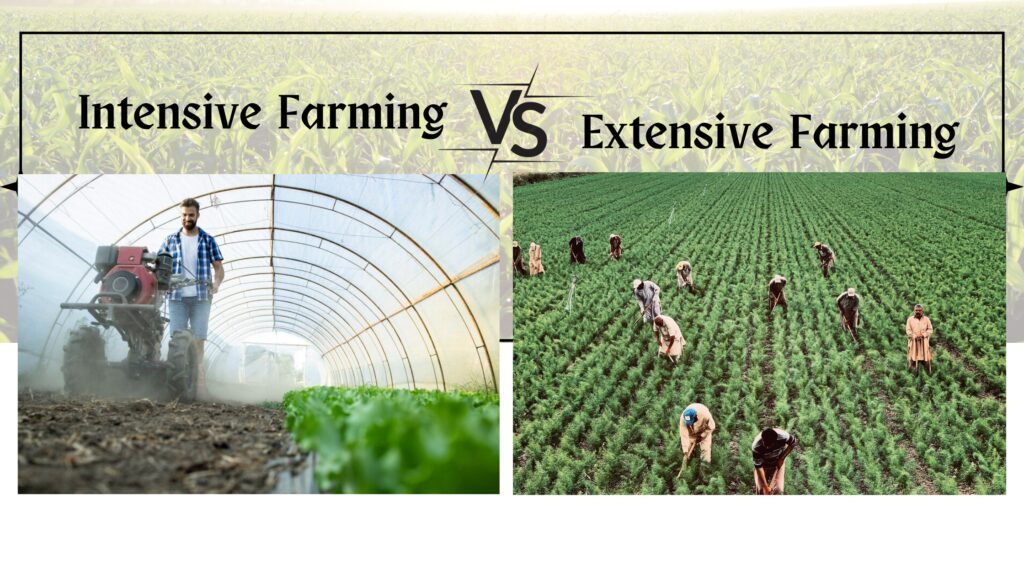
As we navigate the complexities of modern agriculture, it’s essential to examine the darker aspects of conventional farming practices. While intensive agriculture may seem like an efficient way to increase food production, its impact on the environment and human health cannot be ignored.
What is Intensive Agriculture?
Intensive agriculture refers to a farming approach that prioritizes high yields and productivity over environmental sustainability. This method involves using large amounts of inputs such as fertilizers, pesticides, and irrigation water, which can lead to soil degradation, water pollution, and loss of biodiversity. In contrast, extensive agriculture focuses on maintaining ecological balance by using natural methods to control pests and diseases.
The History of Intensive Agriculture
The practice of intensive agriculture has its roots in ancient civilizations, such as the Egyptians, who used advanced irrigation systems to cultivate crops in the Nile Valley. However, it wasn’t until the 17th century that intensive farming became widespread in Europe, particularly in England, where the first commercial farms emerged during the Agricultural Revolution.
The Rise of Intensive Agriculture
As global demand for food increased, intensive agriculture became a viable option to meet this need. The development of new technologies, such as mechanical farming equipment and synthetic fertilizers, further accelerated the growth of intensive agriculture. Multinational corporations took notice of the potential profits in intensive farming and began to invest heavily in large-scale agricultural operations.
The Consequences of Intensive Agriculture
While intensive agriculture may seem like an efficient way to produce food, it has severe environmental and health consequences:
- Soil degradation: The overuse of fertilizers and pesticides can lead to soil erosion, nutrient depletion, and decreased fertility.
- Water pollution: Chemical runoff from farms can contaminate nearby water sources, harming aquatic ecosystems and human drinking water supplies.
- Loss of biodiversity: Intensive agriculture often involves monoculture farming practices, which can lead to the loss of genetic diversity in crops and the decline of beneficial insect populations.
- Negative impact on human health: Exposure to pesticides and other chemicals used in intensive agriculture has been linked to various health problems, including cancer, neurological damage, and reproductive issues.
The Case for Extensive Agriculture
While intensive agriculture may seem appealing due to its high yields and efficiency, extensive agriculture offers a more sustainable alternative. This approach focuses on maintaining ecological balance by using natural methods to control pests and diseases:
- Soil conservation: Extensive agriculture prioritizes soil health by reducing tillage, conserving organic matter, and promoting beneficial microorganisms.
- Water management: Extensive agriculture often involves drip irrigation or other water-saving techniques to minimize waste and reduce the risk of water pollution.
- Biodiversity conservation: By maintaining ecological balance, extensive agriculture can help preserve genetic diversity in crops and support beneficial insect populations.
The Role of Smart Agriculture
Smart agriculture represents a new wave of innovation in farming practices. This approach combines cutting-edge technology with traditional farming methods to increase efficiency and sustainability:
- Precision agriculture: The use of drones, sensors, and other technologies allows farmers to make data-driven decisions about planting, irrigation, and pest management.
- Vertical farming: Indoor farming techniques can increase crop yields while reducing water consumption and land use.
- Regenerative agriculture: This approach focuses on building soil health, promoting biodiversity, and sequestering carbon from the atmosphere.
Conclusion
Intensive agriculture may seem like an efficient way to produce food, but its environmental and health consequences cannot be ignored. By exploring alternative approaches such as extensive agriculture and smart agriculture, we can work towards a more sustainable future for farming practices. As consumers, we have the power to demand more from our food system and support policies that prioritize environmental stewardship.
Frequently Asked Questions
- What are the main differences between intensive and extensive agriculture?
- How does intensive agriculture impact human health?
- What role can smart agriculture play in reducing environmental impacts?
- Can extensive agriculture be scaled up to meet global food demands?
- How can consumers support more sustainable farming practices?
Case Studies:
- Monarch Butterfly Conservation: The decline of monarch butterflies has been linked to intensive agriculture practices, such as the use of pesticides and herbicides. Extensive agriculture methods, like agroecology and conservation tillage, can help preserve these beneficial insects.
- Soil Health in California: In California, farmers have implemented regenerative agriculture practices, such as cover cropping and composting, to improve soil health and reduce the need for synthetic fertilizers.
- Vertical Farming in the Netherlands: The Netherlands has seen a surge in vertical farming operations, which use indoor facilities to grow crops in vertically stacked layers. This approach can increase crop yields while reducing water consumption and land use.
Policy Recommendations:
- Support Agroecology Initiatives: Governments should provide incentives for farmers to adopt agroecological practices, such as organic farming and conservation agriculture.
- Regulate Pesticide Use: Stricter regulations on pesticide use can help reduce the risks associated with intensive agriculture.
- Promote Sustainable Agriculture Education: Educational programs can help consumers understand the benefits of sustainable agriculture and make informed choices about their food system.
Conclusion
The dark side of intensive agriculture is a pressing issue that requires attention from policymakers, farmers, and consumers alike. By exploring alternative approaches such as extensive agriculture and smart agriculture, we can work towards a more sustainable future for farming practices. As consumers, we have the power to demand more from our food system and support policies that prioritize environmental stewardship.


