
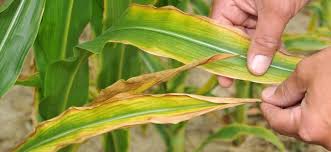
As a gardener, you’re always on the lookout for effective ways to protect your plants from pests and diseases. One natural remedy that’s gained popularity in recent years is sulfur, also known as zolfo. In this article, we’ll delve into the world of sulfur and explore its uses, benefits, and potential drawbacks.
What is Sulfur?
Sulfur is a naturally occurring mineral that serves as an antiparassitario (antiparasitic agent) in plants. It’s often used to control fungal diseases, such as powdery mildew and rust, which can devastate crops. But sulfur has more applications than just fungicides; it’s also used to prevent pests from taking hold.
Sulfur is a key component of many plant-based products, including fertilizers, pesticides, and soil conditioners. It plays a vital role in maintaining plant health by regulating the growth and development of microorganisms, such as fungi and bacteria, that can harm plants.
Using Sulfur on Plants
Sulfur works by creating a barrier on the plant’s surface, preventing fungal spores from germinating. This is because sulfur sublimates (turns directly into gas) when applied to plants, creating a vapor that inactivates fungi and other pathogens. The effectiveness of sulfur depends on its particle size; smaller particles tend to sublimate faster, making them more effective.
When using sulfur on plants, it’s essential to ensure the particles are small enough to distribute evenly. Particles between 1-8 microns in diameter work best, as they allow for optimal sublimation and minimize the risk of toxic residues. However, larger particles can lead to uneven distribution and potentially harm beneficial insects.
Temperature and Humidity: The Key to Effective Sulfur Use
The temperature and humidity of your surroundings play a crucial role in sulfur’s effectiveness. At higher temperatures (above 30°C), sulfur sublimates too quickly, increasing the risk of fitotossicità (phytotoxicity). To avoid this, apply sulfur in the evening or at night when temperatures are cooler.
Humidity also plays a significant role in sulfur’s effectiveness. Sulfur works best in dry environments, as excess moisture can lead to reduced sublimation rates and decreased efficacy. Conversely, extremely humid conditions can cause sulfur to precipitate out of solution, reducing its effectiveness.
Sulfur Bagnabile vs. Sulfur Ventilato: What’s the Difference?
There are two types of sulfur products available: bagnabile and ventilato. Bagnabile sulfur is a liquid that can be diluted with water to create a spray, making it easy to apply to plants. However, this method may not provide as effective protection against fungal diseases.
Sulfur ventilato, on the other hand, is a powder that requires a fan or blower to distribute the particles evenly. This method provides more targeted coverage and can be particularly effective for treating specific areas of the plant.
Choosing the Right Sulfur Product
When selecting a sulfur product, make sure it doesn’t contain selenio (a naturally occurring element). While selenio is not toxic, excessive amounts can accumulate in the soil and harm beneficial microorganisms. Always check the composition label to ensure the product is free from selenio.
Additionally, consider the type of sulfur product that best suits your specific needs. For example, sulfur bagnabile may be more suitable for small-scale gardening or indoor use, while sulfur ventilato may be better suited for larger gardens or commercial applications.
Timing is Everything: Waiting Periods for Re-Planting
After applying sulfur, it’s essential to wait a few days before re-placing plants in the treated area. This waiting period allows any potential toxic residues to dissipate, ensuring your crops remain healthy. Be sure to follow these guidelines:
- For leafy greens and brassicas, wait 5 days before harvesting.
- For root vegetables, wait 7-10 days before harvesting.
Frequently Asked Questions
Q: Can sulfur be used on all types of plants?
A: Yes, sulfur can be effective against a wide range of fungal diseases and pests. However, it’s essential to use the right product and follow proper application instructions.
Q: Is sulfur safe for beneficial insects?
A: While sulfur is generally considered non-toxic to humans and pets, its effects on beneficial insects are still being researched. If you’re concerned about potential impacts, consult with a gardening expert or check the product label for guidance.
Q: How often should I apply sulfur to my plants?
A: The frequency of application depends on the specific disease or pest you’re trying to control. As a general rule, reapply sulfur every 7-14 days during peak growing seasons.
Q: Can sulfur be used in combination with other fungicides?
A: Yes, sulfur can be combined with other fungicides for enhanced effectiveness. However, always follow the recommended application rates and instructions to avoid over-application or interactions between products.
Q: Is sulfur a suitable alternative to chemical pesticides?
A: Sulfur is a natural antiparassitario that offers many benefits compared to synthetic chemicals. While it may require more frequent applications, sulfur can provide long-term protection against fungal diseases and pests.
The Role of Sulfur in Soil Health
Sulfur plays an essential role in maintaining soil health by regulating the pH level and providing nutrients for beneficial microorganisms. When added to the soil, sulfur helps to:
- Lower the pH level, creating a more acidic environment that inhibits the growth of pathogenic fungi.
- Provide nitrogen and other essential micronutrients for plant growth.
Benefits of Sulfur in Organic Gardening
Organic gardening has become increasingly popular in recent years, driven by concerns about environmental sustainability and the potential health impacts of synthetic chemicals. Sulfur is an excellent choice for organic gardeners, offering many benefits without the need for harsh chemicals.
Some of the key benefits of sulfur in organic gardening include:
- Reduced risk of chemical contamination: By using natural sulfur products, you can avoid exposing yourself and your family to toxic chemicals.
- Improved soil health: Sulfur helps maintain a balanced pH level and provides essential nutrients for beneficial microorganisms.
- Increased crop yields: By controlling fungal diseases and pests, sulfur can lead to improved plant growth and increased crop yields.
Conclusion
Sulfur is a powerful tool for maintaining plant health and preventing fungal diseases. By understanding its properties, applications, and potential drawbacks, you can effectively use sulfur to protect your crops and enjoy a bountiful harvest. Remember to follow proper application instructions, choose the right product, and be mindful of temperature and humidity conditions for optimal results.
As you continue to explore the world of natural gardening practices, we hope this article has provided valuable insights into the power of sulfur for plant health. Happy gardening!


