
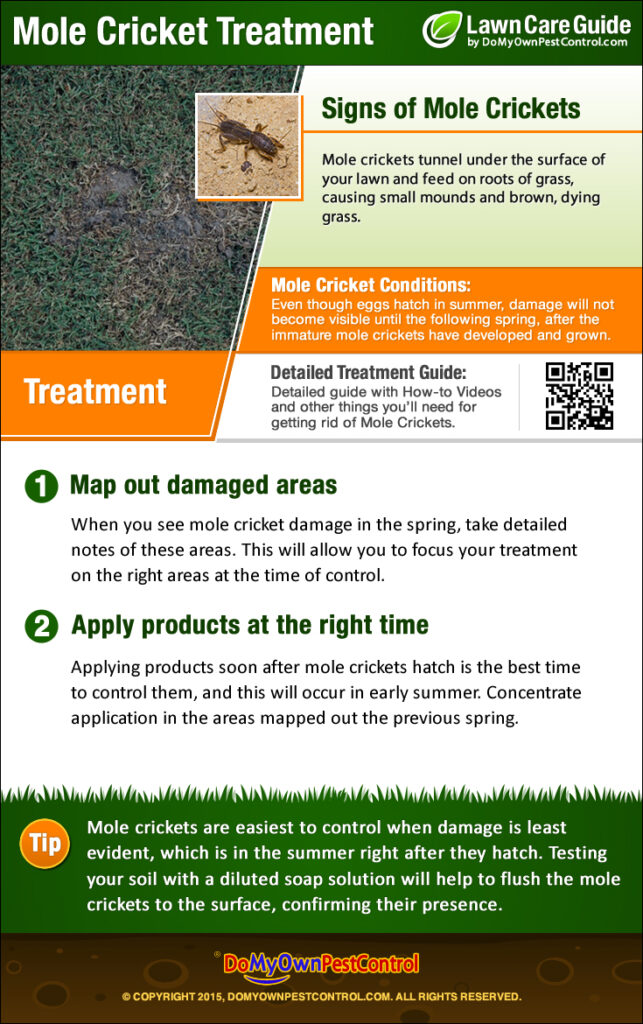
The grillotalpa is one of the most damaging insects for agricultural lands and crops in Europe, Africa’s northern region, and western Asia. Its preference for plants rich in starch and sugar is due to its nutritional needs. As a “instinctual” insect, it continuously digs and destroys root systems by biting into them. This pest can be found in our own gardens as well as in vast agricultural areas, literally or almost ravaging everything.
The Characteristics of the Grillotalpa
Belonging to the family of Grillotalpidi, the grillotalpa measures up to six centimeters in length but an average adult typically measures around 4-5 centimeters with a diameter of two centimeters. Its appearance is far from attractive, being brown, marron or dark red, and having two wings, located at the front and the more developed rear portion.
The grillotalpa’s legs are its most damaging feature as they can directly attack the roots by using robust, denticulated anterior legs to dig out real tunnels. These underground passageways are only about an inch wide, but the insect spends a lot of time traversing them. Apart from its legs, it is also recognizable by its chitinous shield and distinctive sounds.
Habitat and Behavior
The grillotalpa’s natural habitat consists of our gardens, although this can be considered its true objective. In general, it can be said that it thrives in grassy lawns, potato fields, protected crops, and nurseries. It also damages tubers but also other crops like beetroot, peppers, and tomatoes, as well as carrots. The insect only requires moist soils.
The Reproductive Cycle of the Grillotalpa
The grillotalpa has a high reproductive capacity, with its mating period occurring in June, during which time it lays up to three hundred eggs, leaving them for less than a month at 20 centimeters below ground level in artificial chambers that it herself prepares in spring. The male’s role is to surface from the tunnels dug by the insect and emit sounds in an attempt to attract the females.
Eliminating the Grillotalpa
Before taking action to eliminate the grillotalpa, it’s crucial to confirm its presence as the cause of damage you may encounter in your garden or agricultural area. Identifying it is easy since it can be found near damaged plants. Attracting it are unkept cultivation areas with leftover food: vegetable peels, dry leaves, potato and pepper scraps, etc.
The first measure to take is maintaining order and cleanliness. To eliminate the grillotalpa, there are both chemical and biological methods available. The first involves using poisoned baits rich in carbamates of aromatic types, which are toxic to the insect. Although these can be found on the market at relatively affordable prices but remain chemical products: they also have negative effects beyond just eliminating the grillotalpa!
Placing bait traps in your garden can prevent further damage as the insects lay eggs and die within a short time frame. However, it’s essential to dispose of their dead bodies properly since availing yourself of poisoned traps may result in the death of other animals like birds, pets, and even cats, as well as smaller predators.
Biological Control Methods
Instead, I recommend using biological control methods, considered effective and safe for eliminating this insect. How do you proceed? First, adopt a biodiversity-friendly approach by introducing natural enemies that can counteract its population growth. Here are some simple yet effective measures:
- Place plastic bottles around your garden or infested crops.
- Fill these bottles with beer (not too much), cover them with a plate, and leave the contents exposed to rainwater for a few days.
- After a couple of days, the insect will fall into the bottle, where it will die.
- The resulting ash can be sprinkled over the soil to repel other pests.
Photos of the Grillotalpa
Take a closer look at this insect and its destructive ways with some pictures. It’s essential to recognize it when you suspect that an annoying pest is ruining your vegetables.
A Book About the Grillotalpa: Understanding Its Behavior
No pest, not even the grillotalpa, can avoid inspiring a story. A book titled “The Grillotalpa” has been written by Michele Bracciotti for Araba Fenice Publishing. The plot is more complex than its title suggests and is just as enjoyable.
There’s an investigation, so at least let’s mention it. But we can certainly talk about the protagonist: Corso Ciuti, a seasoned entomologist who encounters a mysterious girl with supernatural abilities while aiding his old friend Giorgio Lentini, a seasoned police officer. Together, they declare war on the grillotalpa.
Does this happy end sound far-fetched? Check it out.
Related Articles You May Find Interesting
Here are some additional articles that might interest you:
Humus of Earthworms: How to Use and Produce It
How to Keep the Grillotalpa Away
How to Avoid Ticks
Oziorrinco: How to Fight It
Toporagno: Parasite of Plants
Maintaining a clean garden or agricultural area is essential for preventing pests like grillotalpa from causing damage. A variety of methods can be used to eliminate these pests, including poisoned baits and bait traps. However, it’s crucial to dispose of dead bodies properly since availing oneself of poisoned traps may result in the death of other animals.
Instead, I recommend using biological control methods, which are considered effective and safe for eliminating grillotalpa. Adopting a biodiversity-friendly approach by introducing natural enemies that can counteract its population growth is also an option. This can be done by placing plastic bottles around your garden or infested crops, filling them with beer, and covering them with a plate.
The resulting ash can then be sprinkled over the soil to repel other pests. Take a closer look at this insect and its destructive ways with some pictures. Recognizing it is essential when suspecting that an annoying pest is ruining your vegetables.
A book titled “The Grillotalpa” has been written by Michele Bracciotti for Araba Fenice Publishing, offering a more complex plot than its title suggests. The protagonist, Corso Ciuti, encounters a mysterious girl with supernatural abilities while aiding his old friend Giorgio Lentini, a seasoned police officer.
Together, they declare war on the grillotalpa. This happy end might sound far-fetched, but it’s worth checking out. Here are some additional articles that might interest you:
Humus of Earthworms: How to Use and Produce It
How to Keep the Grillotalpa Away
How to Avoid Ticks
Oziorrinco: How to Fight It
Toporagno: Parasite of Plants


