
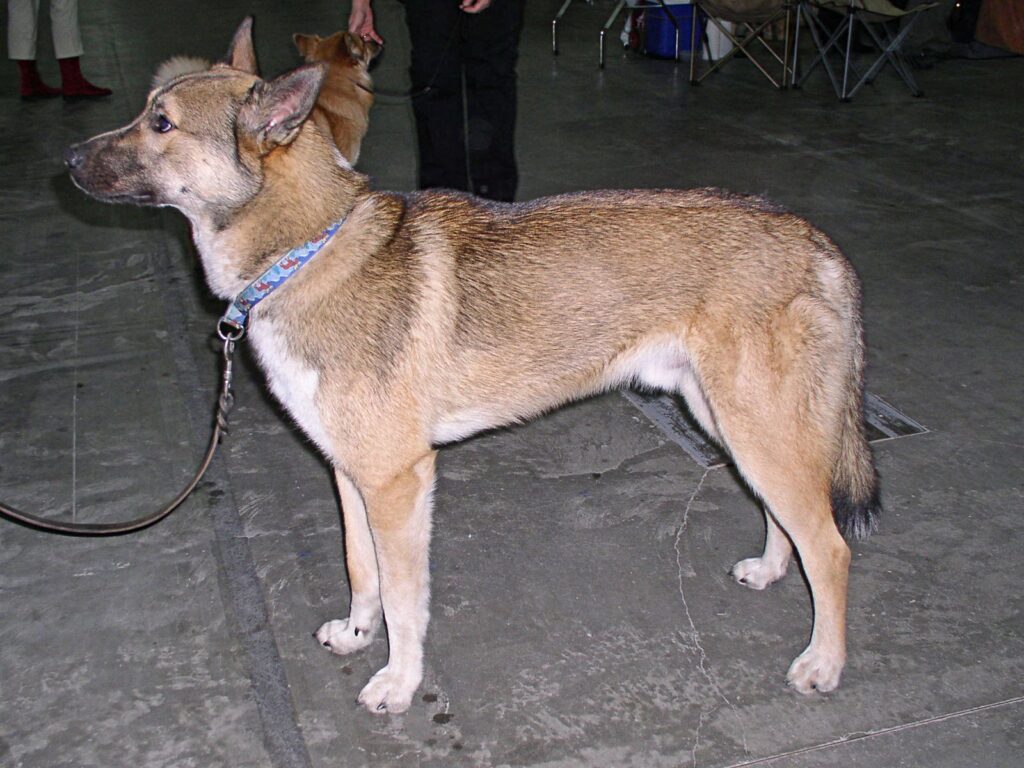
If you’re a dog enthusiast living in an area with a different climate than the one where this breed originated, it’s likely that you’ve never heard of the Siberian East Laika. Despite its similar name to the more widely known West Siberian Laika, this breed is relatively unknown outside of Russia and the surrounding regions.
The Siberian East Laika has a rich history and unique characteristics that set it apart from other breeds. Its origins, physical appearance, temperament, breeding history, availability, and maintenance requirements all contribute to its distinctiveness.
Physical Characteristics
The Siberian East Laika is a medium-sized dog with a sturdy build, weighing around 40-60 pounds (18-27 kg) on average. Males reach a height of approximately 63 cm (25 inches), while females stand at about 61 cm (24 inches). Its muscular physique and straight legs make it well-suited for tasks like herding and pulling sleds.
The breed’s distinctive features include:
- A broad, flat head with a subtle stop
- Narrow muzzle with a black or brown nose
- Oval-shaped dark eyes
- Triangular, pointed ears
- Double coat in shades of white, gray, black, red, or brown
Coat Characteristics
One of the most notable aspects of the Siberian East Laika is its thick, double coat. This protective layer helps keep the dog warm in freezing temperatures and provides excellent insulation against harsh weather conditions.
The breed’s coat can be:
- Thick and dense
- Salt-and-pepper or grizzled patterns
- Wavy or straight in texture
Personality Traits
Despite being adapted to cold climates, the Siberian East Laika is known for its lively, balanced temperament. This hardy breed is well-suited for families with children and has a relatively low maintenance level.
Some notable personality characteristics include:
- High energy levels
- Loyal and friendly demeanor
- Adaptable nature
- Low shedding (except during shedding season)
Breeding History
The Siberian East Laika was developed through cross-breeding between various Laika populations from the Russian Far East, including Ewenkien, Lamutslen, Amur, and other local breeds. This selective breeding program aimed to create a versatile dog capable of hunting, pulling sleds, and thriving in extreme cold.
Historical Significance
The Siberian East Laika has its roots in ancient times when indigenous tribes in the Russian Far East relied on these dogs for survival. They played crucial roles as hunters, trackers, and companions, providing essential support during harsh winters and long hunting expeditions.
Rarity and Popularity
Due to its limited availability outside of Russia, finding a purebred Siberian East Laika can be challenging. Only reputable breeders within the country are authorized to sell these dogs, making them highly sought after by enthusiasts and collectors alike.
Availability and Purchase
If you’re interested in acquiring a Siberian East Laika, research local breeders or contact Russian breed clubs for guidance. Be prepared for potential wait times, as availability can be limited. Reputable breeders prioritize the health, well-being, and temperament of their dogs, ensuring that each puppy is properly socialized and cared for.
Grooming and Care
To maintain the Siberian East Laika’s coat, regular brushing (2-3 times per week) will help prevent matting and tangling. Occasional bathing and trimming are also necessary to keep the dog clean and well-groomed. Regular exercise and mental stimulation are essential for this breed’s physical and emotional health.
Exercise Needs
The Siberian East Laika requires regular exercise to maintain its physical and mental health. Aim for daily walks, playtime, and engaging activities like agility training or fetch games. This breed thrives on physical activity and mental stimulation, making it an excellent companion for active families or individuals.
Training Methods
Siberian East Laikas respond well to positive reinforcement training methods, such as reward-based techniques and consistent socialization. They are intelligent dogs that require patient and encouraging guidance from experienced trainers.
Health Considerations
As with any breed, the Siberian East Laika is prone to certain health issues, including:
- Hip dysplasia
- Hypothyroidism
- Allergies
- Heart problems
Regular veterinary check-ups and genetic testing can help identify potential issues early on. Responsible breeding practices prioritize the health and well-being of their dogs.
Conclusion
If you’re looking for a loyal companion that thrives in harsh environments, consider learning more about the Siberian East Laika. With its sturdy build, adaptable nature, and unique characteristics, this breed is an excellent choice for active families or individuals seeking a reliable working dog.
Frequently Asked Questions: Siberian East Laika
Q: Is the Siberian East Laika similar to the West Siberian Laika?
A: While both breeds share some physical characteristics, they are distinct and have different temperaments. The Siberian East Laika is generally more energetic and adaptable than its West Siberian counterpart.
Q: How much exercise does the Siberian East Laika require?
A: This breed needs regular exercise to maintain its physical and mental health. Aim for daily walks and playtime, with engaging activities like agility training or fetch games.
Q: Is the Siberian East Laika a good family dog?
A: Yes, due to their friendly and adaptable nature, they make excellent companions for families with children. However, early socialization is crucial to ensure a smooth transition into your home.
Q: How often does the Siberian East Laika shed?
A: This breed sheds moderately, but some shedding is expected during seasonal changes. Regular grooming will help manage this process.
Q: Can I train my Siberian East Laika using positive reinforcement techniques?
A: Yes, this breed responds well to reward-based training methods and consistent socialization. Be patient and encouraging, as they can be strong-willed at times.
Q: Is the Siberian East Laika suitable for apartment living?
A: While they can adapt to smaller spaces, Siberian East Laikas require regular exercise and mental stimulation to prevent boredom and destructive behavior. Consider investing in a secure outdoor area or a dog park nearby.
Q: Can I find a Siberian East Laika puppy in my area?
A: Due to limited availability, finding a reputable breeder may take time. Research local breeders or contact Russian breed clubs for guidance.
Q: How often should I groom my Siberian East Laika?
A: Regular brushing (2-3 times per week) will help maintain its coat and prevent matting. Occasional bathing and trimming are also necessary to keep the dog clean and well-groomed.
Conclusion
The Siberian East Laika is a rare breed with unique characteristics, making it an excellent choice for enthusiasts seeking a loyal companion that thrives in harsh environments. By understanding its history, temperament, breeding history, availability, and maintenance requirements, you can make an informed decision about whether this breed is right for you or your family.
Whether you’re an experienced breeder or a first-time dog owner, the Siberian East Laika is an intriguing breed that offers endless opportunities for adventure, companionship, and excitement.


