
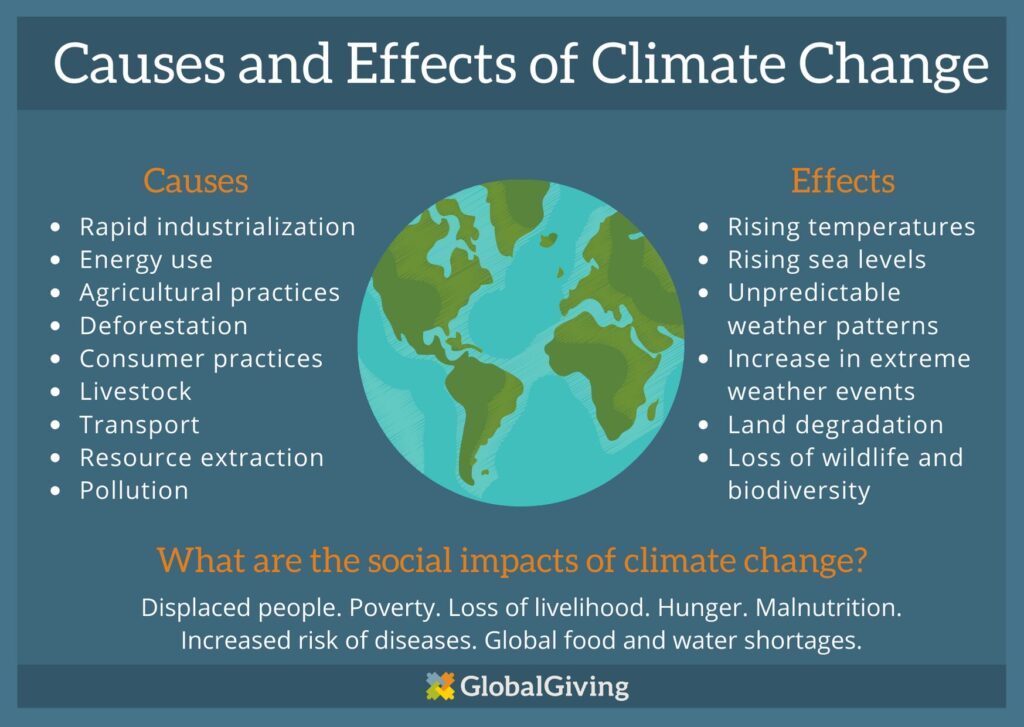
Global warming, also known as climate change, has become one of the most pressing issues of our time. The term “global warming” refers to the progressive increase in Earth’s average temperature caused by an excessive concentration of greenhouse gases, such as carbon dioxide, methane, and nitrous oxide, in the atmosphere. In this article, we will delve into the causes, consequences, and human impact of global warming, as well as discuss potential solutions to mitigate its effects.
What is Global Warming?
Global warming refers to the increase in Earth’s average temperature caused by an excessive concentration of greenhouse gases in the atmosphere. These gases trap heat from the sun, preventing the planet from getting too cold. However, when the levels of these gases become too high, it disrupts the delicate balance of the Earth’s natural systems.
To understand this concept better, let’s consider an analogy. Imagine a blanket that traps heat on a winter night. In moderation, this blanket keeps us warm and cozy. But if we add more blankets or make them thicker, it becomes too hot and uncomfortable. This is roughly what happens when greenhouse gases accumulate in the atmosphere.
The Causes of Global Warming
So, what’s causing global warming? The answer lies in human activities that release large amounts of greenhouse gases into the atmosphere.
- Fossil Fuels: The use of fossil fuels, such as coal, oil, and gas, has become a major contributor to greenhouse gas emissions. Since the Industrial Revolution in the 18th century, humans have relied heavily on these energy sources for powering industries, transportation, and heating homes.
- Agriculture Intensification: Livestock farming and the production of animal products are significant sources of methane and nitrous oxide emissions.
- Deforestation: The clearance of forests for agriculture, urbanization, and other purposes has led to a massive loss of carbon sinks.
The Consequences of Global Warming
So, what are the consequences of global warming? Some of the most devastating effects include:
- Rising Sea Levels: As the planet warms, polar ice caps melt, causing sea levels to rise.
- Extreme Weather Events: Climate change leads to more frequent and intense heatwaves, droughts, floods, and storms.
- Ocean Acidification: The absorption of carbon dioxide by oceans reduces their ability to absorb nutrients, leading to a decline in marine life.
- Loss of Biodiversity: Rising temperatures and changing ecosystems threaten the survival of countless plant and animal species.
The Human Impact
But global warming is not just an environmental issue; it also has significant social and economic implications. Climate change can lead to:
- Food Insecurity: Changes in temperature and precipitation patterns affect crop yields, leading to food shortages and price increases.
- Water Scarcity: As temperatures rise, water demand increases, putting pressure on already strained water resources.
- Economic Disruption: Climate-related disasters can damage infrastructure, disrupt supply chains, and impact local economies.
What Can We Do?
So, what’s the solution to global warming? While it’s a complex issue, there are steps we can take:
- Reduce Greenhouse Gas Emissions: Transitioning to renewable energy sources, increasing energy efficiency, and implementing policies to reduce emissions.
- Protect and Restore Forests: Preserving forests helps maintain carbon sinks and supports biodiversity.
- Adopt Sustainable Agriculture Practices: Promoting agroforestry, reducing synthetic fertilizers, and adopting regenerative agriculture methods can help mitigate the impact of livestock farming on greenhouse gas emissions.
Solutions to Mitigate Global Warming
Here are some additional solutions that can be implemented:
- Invest in Renewable Energy: Invest in solar, wind, hydro, and geothermal energy to reduce dependence on fossil fuels.
- Promote Sustainable Land Use: Implement sustainable land-use practices, such as agroforestry and permaculture, to maintain carbon sinks and support biodiversity.
- Develop Climate-Resilient Infrastructure: Build climate-resilient infrastructure, such as sea walls and levees, to protect communities from the impacts of climate change.
- Support Climate Change Research and Development: Invest in research and development to improve our understanding of climate change and develop new technologies and strategies to mitigate its effects.
Frequently Asked Questions
- What is the difference between global warming and climate change?
Global warming refers to the increase in Earth’s average temperature caused by human activities, while climate change encompasses a broader range of environmental impacts, including sea-level rise, ocean acidification, and changes in weather patterns. - How much carbon dioxide is released annually into the atmosphere due to human activities?
According to the Intergovernmental Panel on Climate Change (IPCC), greenhouse gas emissions from human activities have increased by about 45% since 1990, with fossil fuel combustion being the largest contributor. - What percentage of global greenhouse gas emissions come from agriculture?
Around 14% of total emissions are attributed to agricultural practices, primarily due to livestock farming and fertilizer use. - How do deforestation and land-use changes contribute to global warming?
Forests act as significant carbon sinks, but when they’re cleared or degraded, this stored carbon is released into the atmosphere, exacerbating climate change.
Conclusion
Global warming is a pressing issue that demands immediate attention and action. By understanding its causes, consequences, and human impact, we can work together towards reducing greenhouse gas emissions and mitigating its effects on our planet. It’s time to take action and make a difference for future generations.
The fight against global warming requires cooperation from governments, businesses, civil society organizations, and individuals worldwide. Together, we can mitigate the impacts of climate change and create a more sustainable and equitable future for all.


