
Tattoos have been a part of human culture for thousands of years, with a long-standing debate surrounding their potential pain. While some people swear by the process, others are deterred by the possibility of discomfort or even harm. In this article, we’ll delve into the world of tattoos, exploring what it’s like to get inked and separating fact from fiction.
A Brief History of Tattoos
Tattoos have been used for various purposes throughout history, from spiritual practices to artistic expressions. Today, tattoos are a popular form of self-expression, with millions of people worldwide sporting ink on their skin. But do tattoos hurt? The answer is complicated, and it depends on several factors.
The Anatomy of Pain
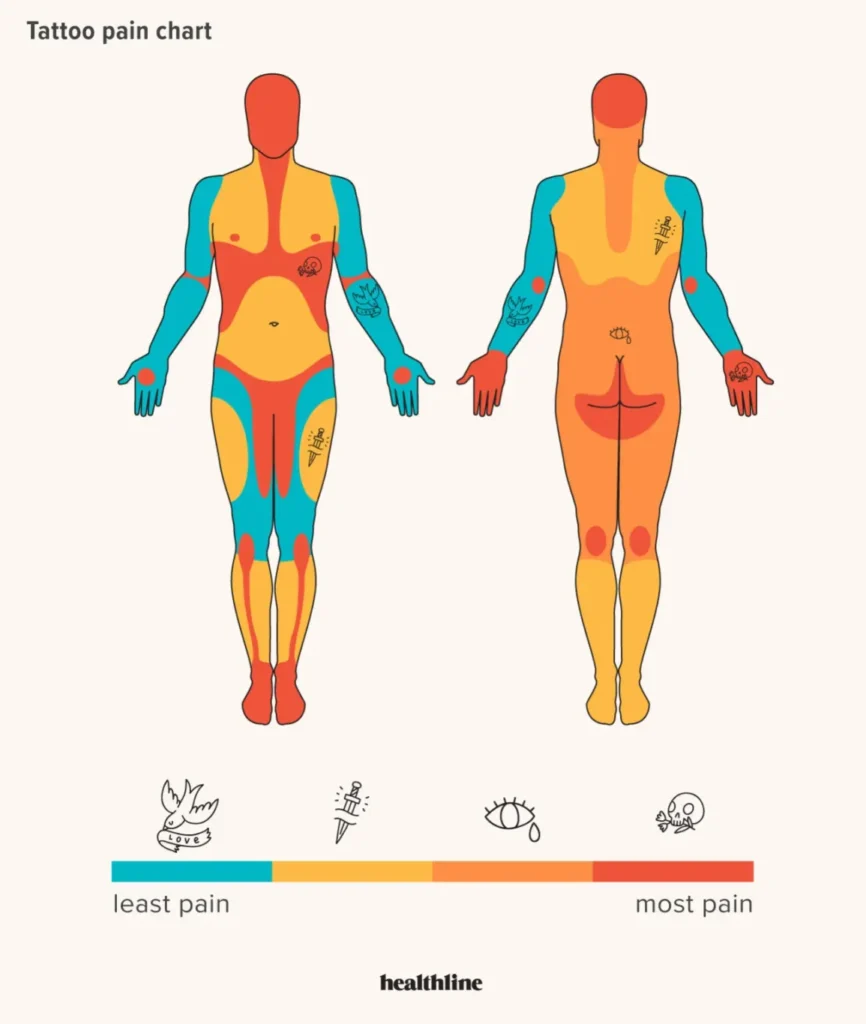
When it comes to pain, the human body is a complex and sensitive instrument. Different areas of the body have varying levels of nerve endings, fat, and muscle mass, which can affect how much pain you experience during a tattoo session. For example, the top of the arm is considered one of the least painful areas for getting tattoos, while the fingers are notoriously sensitive.
The Method of Tattooing
Modern tattooing involves using tiny needles to inject minuscule drops of ink into the skin. This process can cause bleeding and discomfort, which can vary depending on individual tolerance. However, the risk of infection or other complications is relatively low if proper hygiene and safety protocols are followed.
Risks Associated with Tattoos
While tattoos are generally safe, there are some risks associated with getting inked. These include:
- Infections: Local bacterial infections can cause redness, swelling, pain, and pus.
- Granulomas: Small swellings caused by thickening of the skin due to excessive tissue scarring.
- Blood-borne diseases: Risks of transmitting tetanus, HIV, and other diseases through contaminated needles or ink.
Popular Tattoo Locations
If you’re considering getting a tattoo, it’s essential to choose a location that minimizes pain. Some popular options include:
- The top of the arm
- The inner arm
- The calf (preferably for men)
- The thighs (representing sensuality, nature, and freedom)
- The upper arm (away from bones)
Henna Tattoos: A Safer Alternative
For those who are hesitant to get a traditional tattoo, henna tattoos might be a viable option. These temporary tattoos use henna powder, obtained from dried and powdered leaves of the henna plant, to create designs on the skin. While they may not last as long as traditional tattoos, henna tattoos are generally less damaging and not permanent.
The Risks of Liver Damage
Recent studies have linked tattooing to liver damage due to viral hepatitis. This is caused by certain viruses that infect liver tissue, including HBV, HCV, and HDV. Reusing single-use needles, non-sterilization of materials, and reuse of contaminated ink are all contributing factors.
Long-Term Effects
Some doctors believe that tattoos can cause cancer over time, particularly if the inks used contain toxic substances and potentially carcinogenic compounds like metals, hydrocarbons, phthalates, and endocrine system hazards. While this is not an immediate risk, it’s essential to be aware of these potential long-term effects.
Conclusion
Getting a tattoo can be a thrilling experience, but it’s crucial to approach the process with caution. By understanding the risks associated with tattoos and choosing a reputable artist, you can minimize the discomfort and ensure a safe and enjoyable experience. If you’re still unsure about getting a tattoo, consider exploring alternative options like henna tattoos or temporary designs.
Frequently Asked Questions
- Do all tattoos hurt?
- No, not everyone experiences pain during tattooing. The level of discomfort varies depending on individual tolerance.
- What are the risks associated with tattoos?
- Infections, granulomas, blood-borne diseases, and liver damage are potential risks.
- Are henna tattoos safe?
- Henna tattoos are generally considered less damaging than traditional tattoos, but may not last as long.
- Can tattoos cause cancer?
- Some doctors believe that tattoos can increase the risk of cancer due to toxic substances in the ink.
- How often do tattoo artists reuse needles and materials?
- Reusing single-use needles and non-sterilized materials is a contributing factor to liver damage and other health risks.
- Can I get a tattoo if I have a weakened immune system?
- It’s recommended that you consult with a doctor before getting a tattoo, especially if you have a weakened immune system.
- How long do tattoos last?
- The lifespan of a tattoo varies depending on the individual and the type of ink used.
- Can I use henna as a substitute for traditional tattoo ink?
- Henna can be used to create temporary designs, but may not be suitable for everyone.
Remember, getting a tattoo is a personal choice that requires careful consideration. By understanding the risks and benefits associated with tattoos, you can make an informed decision about whether or not to get inked.


