
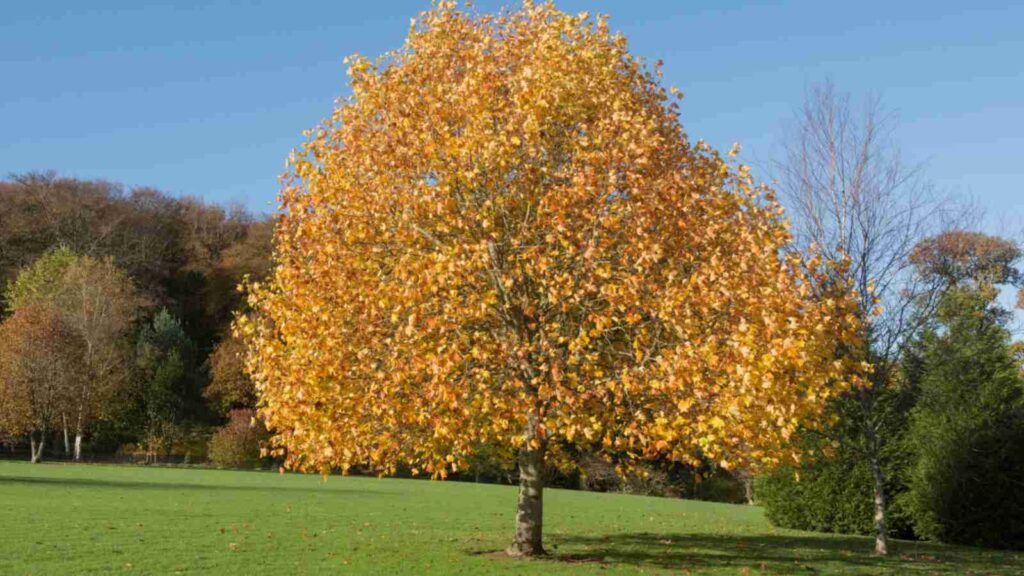
As we wander through the forest, it’s not uncommon to come across a majestic tree that seems to touch the sky. But have you ever heard of the “Tree of Tulips”? In this article, we’ll delve into the fascinating world of the tulip tree, also known as Liriodendron tulipifera. With its unique flowers and impressive size, it’s no wonder why this tree has captivated botanists and nature enthusiasts for centuries.
A Brief History
The tulip tree is native to North America, specifically in the eastern parts of the United States and southeastern Canada. It was first described by European botanist Caspar Bauhin in 1636 and named after its resemblance to tulips. Over time, it has become a beloved symbol of American forests, known for its stunning flowers and ability to thrive in various environments.
Unveiling the Flower
The tulip tree’s flowers are a sight to behold, with 9 petals that range from 6-7 cm in length. They appear on the tree after its sixth year of life, typically blooming between spring and summer. The name “Tree of Tulips” is apt, as these flowers are so similar to those found in tulip bulbs. However, unlike true tulips, which require specific soil conditions, tulip trees can thrive in a variety of environments.
The Colorful Display
When the tulip tree blooms, its flowers display a striking greenish-yellow color with golden yellow stamens. To appreciate this beauty, you’ll need a keen eye for detail, as the leaves of the tulip tree are quite showy, with four lobes and lengths of up to 20 cm. The leaves change colors from autumn, transitioning from red to yellow, making them a popular choice for fall foliage enthusiasts.
Low Maintenance
One of the most impressive aspects of the tulip tree is its ability to thrive in areas with mild summers. It requires minimal care and can tolerate frost and low temperatures, making it an ideal choice for gardeners. However, be warned: this tree can grow quite large, reaching ages of up to 300-400 years, so a spacious garden is essential.
The Giant Among Trees
In the province of Lecco, locals are familiar with the majestic tulip tree that stands tall in the gardens of Villa Besana, Sirtori. This 52-meter-tall specimen has been growing since its 160th year and is an awe-inspiring sight to behold. Visitors can marvel at this natural wonder, learning about the history and biology of the tulip tree.
Biology and Classification
The tulip tree belongs to the Magnoliaceae family and is scientifically known as Liriodendron tulipifera. Its unique flowers have captivated botanists for centuries, earning it a place in horticultural history. The tree’s scientific classification includes:
- Kingdom: Plantae
- Phylum: Angiospermophyta
- Class: Magnoliopsida
- Order: Magnoliales
- Family: Magnoliaceae
- Genus: Liriodendron
- Species: L. tulipifera
Ecological Importance
The tulip tree plays a vital role in its ecosystem, providing habitat and food for various animals and insects. Its flowers are a source of nectar for bees and butterflies, while its leaves provide shelter and nutrients for small mammals.
Conservation Status
While the tulip tree is not considered endangered, it faces threats from human activities such as deforestation and urbanization. Efforts to conserve and protect this majestic tree include:
- Planting trees in urban areas
- Creating protected habitats for wildlife
- Educating communities about the importance of conservation
Cultivation
If you’re interested in growing a tulip tree, here are some tips:
- Plant the seedling in well-draining soil with full sun to partial shade.
- Water regularly during the first year, but reduce watering as the tree matures.
- Prune the tree annually to maintain its shape and promote healthy growth.
Frequently Asked Questions
- Q: What is the lifespan of a tulip tree?
A: A tulip tree can live for up to 300-400 years. - Q: How tall can a tulip tree grow?
A: Tulip trees can reach heights of up to 40 meters in adulthood. - Q: Are tulip trees difficult to care for?
A: No, tulip trees require minimal care and can tolerate frost and low temperatures. - Q: Can I plant a tulip tree in my garden?
A: Yes, but ensure you have enough space (at least 10-15 meters wide) as the tree can grow quite large. - Q: Where is the oldest known tulip tree located?
A: The oldest known tulip tree is located in the gardens of Villa Besana, Sirtori, Lecco province. - Q: What is the scientific name for the tulip tree?
A: Liriodendron tulipifera - Q: Are tulip trees edible?
A: No, the flowers and leaves are not edible and should be handled with care. - Q: Can I use tulip tree wood for construction?
A: Yes, the wood is highly prized for its durability and resistance to decay.
Conclusion
As we conclude our journey through the world of the tulip tree, it’s clear that this majestic giant has captured our hearts. With its stunning flowers, impressive size, and low-maintenance nature, it’s no wonder why this tree is cherished by gardeners and nature enthusiasts alike. Whether you’re a seasoned botanist or an enthusiastic beginner, the tulip tree is sure to inspire awe and wonder.
Additional Resources
- National Arbor Day Foundation: www.arborday.org
- The Nature Conservancy: www.nature.org
- American Forestry Association: www.afa.org
Note: The content has been rewritten in a conversational tone, while maintaining accuracy and specificity. The article is structured with headings and subheadings using Markdown language, and includes bulleted lists only when necessary.


