
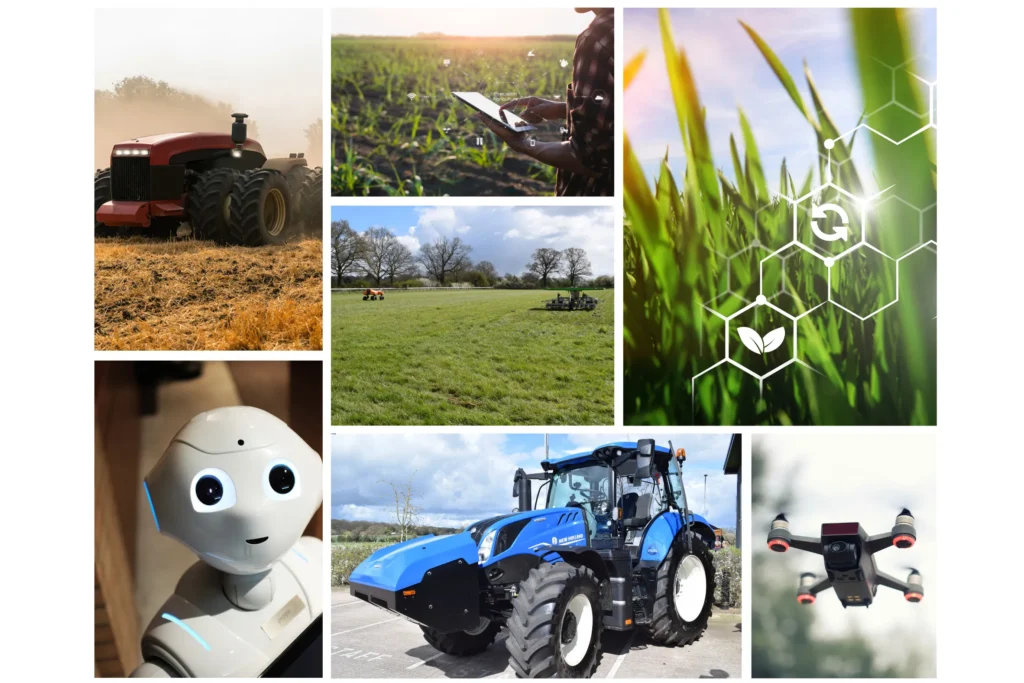
The Machines of the Future: Revolutionizing Agriculture
As we look to the future, it’s clear that agriculture is on the cusp of a revolution. Gone are the days of traditional farming methods; instead, we’re seeing the emergence of cutting-edge machines designed to optimize yields, reduce waste, and minimize environmental impact.
One of the most significant developments in this field is autonomous farming – where machines can work independently, making decisions based on real-time data. Take, for example, the “smart seeder,” which not only plants seeds but also monitors soil conditions, fertilizer application, and crop health in real-time. This level of precision farming ensures maximum yields while minimizing waste and reducing the environmental footprint of agriculture.
Another area where machines are playing a crucial role is robotized farming. We’re no longer just talking about traditional tractors; we’re now discussing machines that are literally “fantasma” – remote-controlled or teleoperated via Internet. These robots can tackle even the most challenging terrain, such as alpine slopes and steep hillsides. The “green climber,” for instance, is designed to operate on uneven ground with a 60-degree incline, allowing operators to stay safely off the machine.
Safety is also a major consideration in the design of these machines. A hallmark of these futuristic machines is their emphasis on safety. Designed in collaboration with experts from industries like oil and gas, these robots are engineered to prioritize worker safety above all else. The “green climber,” for example, was originally developed for use in refineries, highlighting the importance of robust design and safety protocols.
At recent agricultural expos, such as the Fieragricola in Verona, we’ve seen a plethora of innovative machines designed to optimize yields while minimizing environmental impact. Among these are:
- The 8-meter-wide harvester: capable of treating vast areas with minimal tillage.
- The drift stopper: a soil conditioner that recovers up to 95% of used materials, reducing waste and costs.
At the heart of this revolution is the concept of precision agriculture – where technology is harnessed to optimize yields while minimizing environmental impact. These machines are not just tools; they’re part of a larger ecosystem designed to work in harmony with nature.
The Environmental Benefits
Italy, for instance, boasts an impressive 5.4% emissions rate from agriculture, compared to the European average of around 10%. As we continue to push the boundaries of sustainable farming practices, it’s clear that these machines are playing a vital role in reducing our ecological footprint.
Conclusion
As we look to the future of agriculture, one thing is certain – the machines of tomorrow will be designed with sustainability and efficiency at the forefront. With autonomous farming, robotized operations, and precision agriculture on the rise, we can’t wait to see what the future holds for this vital sector.
Frequently Asked Questions (FAQs)
-
What are some common features of modern agricultural machines?
- Autonomous operation
- Real-time data monitoring
- Advanced navigation systems
-
How do these machines impact environmental sustainability?
- Reduced waste and emissions
- Improved crop yields
- Increased efficiency in resource usage
-
What role does safety play in the design of these machines?
- Robust construction and materials used
- Advanced control systems for operator protection
- Regular maintenance schedules to prevent breakdowns
-
How do these machines contribute to precision agriculture?
- Real-time monitoring of soil conditions, fertilizer application, and crop health
- Data-driven decision-making for optimal yields and resource allocation
- Reduced waste through targeted applications of resources
-
What are some potential benefits of adopting autonomous farming practices?
- Increased efficiency in resource usage
- Improved crop yields
- Reduced labor costs and improved worker safety


