
Introduction
The solar system is a vast and complex universe that has captivated human imagination for centuries. With its eight planets, dwarf planets, asteroids, comets, and other celestial bodies, it’s a wonder to behold. In this article, we’ll delve into the fascinating world of our solar system, exploring its history, structure, and unique features.
What is the Solar System?
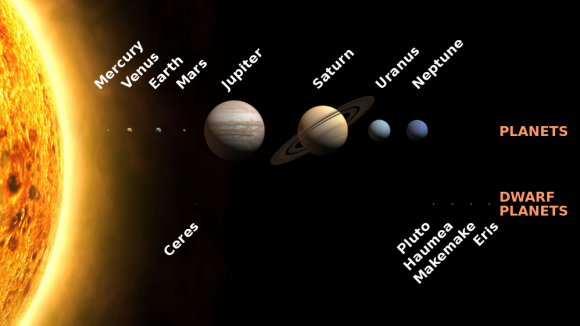
The solar system is a collection of objects that orbit around the Sun, including planets, dwarf planets, asteroids, comets, and other smaller bodies. It’s a hierarchical system, with the Sun at its center, surrounded by eight planets: Mercury, Venus, Earth, Mars, Jupiter, Saturn, Uranus, and Neptune.
The Planets of Our Solar System
Our solar system is home to eight planets, each with its own unique characteristics. Let’s take a closer look:
- Mercury: The smallest planet in our solar system, Mercury is also the closest to the Sun. Its proximity to the Sun means it experiences extreme temperatures, ranging from -170°C to 427°C (-274°F to 801°F).
- Venus: Often called Earth’s twin due to their similar size and mass, Venus has a thick atmosphere that traps heat, making it the hottest planet in the solar system. The surface temperature on Venus reaches as high as 462°C (863°F), making it inhospitable to life.
- Earth: Our home sweet home! Earth is a terrestrial planet, with a solid surface and liquid oceans that support life. It’s the only known planet in the universe that supports life, making it a unique and fascinating place to study.
- Mars: Known as the Red Planet, Mars has a rocky surface and a thin atmosphere. It’s a potential candidate for supporting life beyond Earth, with scientists searching for signs of past or present life on the Martian surface.
- Jupiter: The largest planet in our solar system, Jupiter is a gas giant with massive storms and an enormous magnetic field. Its massive size means it could fit over 1,300 Earths inside it.
- Saturn: Another gas giant, Saturn is known for its stunning ring system, which is made up of ice and rock particles. The rings are incredibly thin, measuring only about 30 feet (10 meters) thick in some areas.
- Uranus: An icy giant, Uranus has a tilted axis that causes extreme seasons on the planet. Its distance from the Sun means it receives very little sunlight, resulting in extremely cold temperatures.
- Neptune: The farthest planet from the Sun, Neptune is an icy giant with strong winds and massive storms. Its atmosphere is mostly composed of hydrogen and helium, similar to Jupiter’s.
Dwarf Planets and Other Celestial Bodies
In addition to the eight planets, our solar system also includes several dwarf planets, such as Pluto, Eris, Ceres, and Haumea. These small bodies offer insights into the formation and evolution of our solar system.
- Pluto: Once considered the ninth planet in our solar system, Pluto is now classified as a dwarf planet due to its small size and irregular orbit.
- Eris: A dwarf planet in the Kuiper Belt, Eris has a highly eccentric orbit and a surface composed primarily of ice and rock.
- Ceres: The largest object in the asteroid belt between Mars and Jupiter, Ceres is a dwarf planet with a surface that’s likely to be water-ice rich. Its size and location make it an important target for future missions.
- Haumea: A dwarf planet in the Kuiper Belt, Haumea has a highly eccentric orbit and a shape that’s not spherical, but rather elongated and irregular.
The Solar System’s Inner Structure
The solar system can be divided into two main regions: the inner system and the outer system. The inner system includes the four rocky planets (Mercury, Venus, Earth, and Mars) and the asteroid belt, while the outer system consists of the gas giants (Jupiter, Saturn, Uranus, and Neptune).
- The Inner System: This region is characterized by small, rocky bodies that orbit close to the Sun. The inner system is home to several dwarf planets, including Ceres.
- The Outer System: This region is dominated by massive gas giants, with Jupiter being the largest planet in our solar system.
The Solar System’s Interplanetary Medium
The interplanetary medium (IPM) is a region of space that fills the gaps between the planets and other celestial bodies. It’s composed primarily of plasma, which is created when the Sun’s energy interacts with the surrounding gas and dust.
- The IPM: This medium plays a crucial role in shaping the solar system, as it influences the orbits of the planets and other objects.
- Plasma: A high-energy state of matter, plasma is composed of ions and electrons that are heated by the Sun’s energy. It can be found in various regions of space, including the interplanetary medium.
Solving for the Solar System
To understand our solar system, we need to consider its history, structure, and unique features. Here are some key questions to answer:
- What is the origin of our solar system?
- How did the planets form and evolve over time?
- What drives the IPM and affects the orbits of the planets?
The Formation of Our Solar System
One of the most fascinating aspects of our solar system is its formation. Theories suggest that our solar system was created around 4.6 billion years ago from a giant cloud of gas and dust called the solar nebula.
- The Birth of the Sun: The Sun is thought to have formed at the center of the solar nebula, with its gravity causing the surrounding material to collapse.
- The Formation of the Planets: As the solar nebula collapsed, it began to spin faster and faster. This spinning motion caused the material to flatten into disks, which eventually became the planets we see today.
The Solar System’s Structure
Our solar system is a hierarchical system, with the Sun at its center and eight planets orbiting around it. The inner system consists of small, rocky bodies that orbit close to the Sun, while the outer system includes massive gas giants.
- The Inner Planets: Mercury, Venus, Earth, and Mars are all terrestrial planets, meaning they have solid surfaces and are relatively small compared to the other planets.
- The Outer Planets: Jupiter, Saturn, Uranus, and Neptune are all gas giants, meaning they are primarily composed of hydrogen and helium. They have massive sizes and storm systems that can be thousands of kilometers wide.
The Solar System’s Unique Features
Our solar system has several unique features that make it fascinating to study. Here are a few examples:
- The Great Red Spot: Jupiter’s Great Red Spot is a massive storm that has been raging for centuries.
- Saturn’s Rings: Saturn’s ring system is made up of ice and rock particles, stretching out for hundreds of thousands of kilometers.
- Uranus’ Tilt: Uranus has a tilted axis that causes extreme seasons on the planet.
Conclusion
The solar system is a vast and complex universe that continues to fascinate us. By exploring its history, structure, and unique features, we can gain a deeper understanding of our place in the cosmos.
Frequently Asked Questions (FAQs)
- What are the planets of our solar system?
Our solar system consists of eight planets: Mercury, Venus, Earth, Mars, Jupiter, Saturn, Uranus, and Neptune. - How many dwarf planets exist in our solar system?
Currently, there are several dwarf planets recognized by the International Astronomical Union (IAU), including Pluto, Eris, Ceres, and Haumea. - What is the inner system of the solar system?
The inner system consists of the four rocky planets (Mercury, Venus, Earth, and Mars) and the asteroid belt. - How does the IPM affect the orbits of the planets?
The interplanetary medium plays a crucial role in shaping the solar system, as it influences the orbits of the planets and other objects. - What is the largest planet in our solar system?
Jupiter is the largest planet in our solar system, with massive sizes and storm systems that can be thousands of kilometers wide. - What are some unique features of our solar system?
Our solar system has several unique features, including Jupiter’s Great Red Spot, Saturn’s ring system, Uranus’ tilt, and the asteroid belt.
The Future of Space Exploration
As we continue to explore our solar system, we’re likely to discover even more fascinating phenomena. Here are a few examples:
- Mars Exploration: NASA’s Curiosity rover has been exploring Mars since 2012, searching for signs of past or present life on the Martian surface.
- Jupiter’s Moons: The Juno mission is currently exploring Jupiter’s moons, including Io and Europa.
- Saturn’s Rings: The Cassini mission explored Saturn’s rings from 2004 to 2017, providing stunning images and valuable data.
Conclusion
Our solar system is a fascinating place, full of mysteries waiting to be solved. By continuing to explore and study our solar system, we can gain a deeper understanding of the universe and our place within it.


