
Introduction
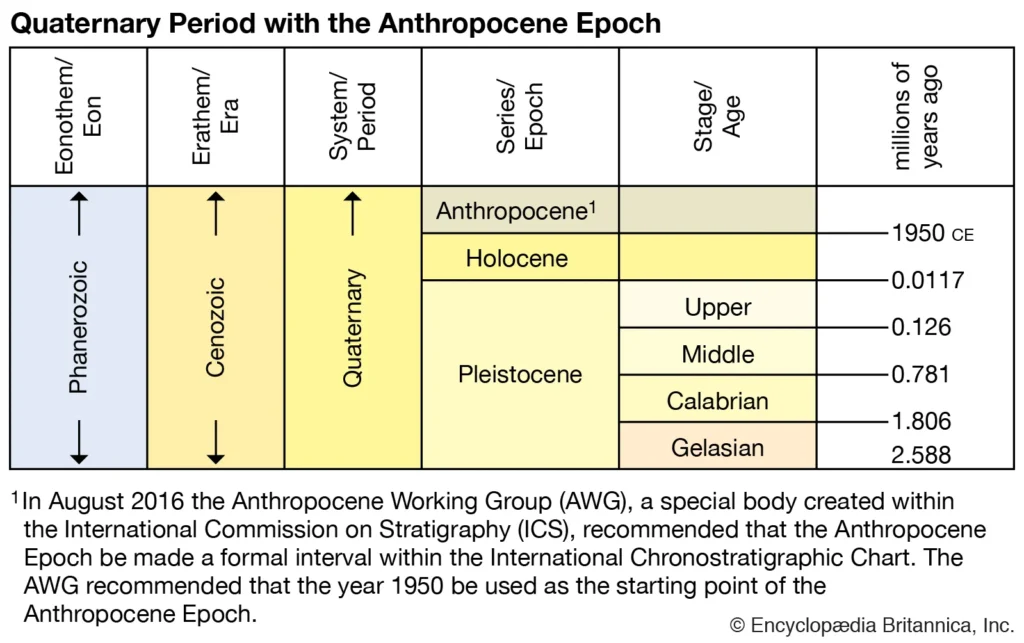
As we stand at the forefront of human history, it’s essential to acknowledge the impact our actions have on the planet. The term “Anthropocene” refers to the current geological era, marked by humanity’s dominant influence on the Earth’s systems. This concept has been gaining traction in recent years, and it’s time to explore its significance, implications, and potential solutions.
What is the Anthropocene?
The Anthropocene is a relatively new term, coined in the 1980s by biologist Eugene Stoermer. It describes an era where human activities have become a significant factor in shaping the Earth’s climate, ecosystems, and geological processes. The term “Anthropocene” comes from the Greek word “anthropos,” meaning humanity.
The Emergence of the Anthropocene
The concept of the Anthropocene gained momentum in the early 2000s, with Paul Crutzen, a Nobel laureate, using it as the title for his book “Benvenuti nell’Antropocene” (Welcome to the Anthropocene). This marked a significant shift in our understanding of human impact on the planet.
The Impact of Human Activities
Human activities have been altering the Earth’s systems at an unprecedented rate. Our consumption patterns, agricultural practices, and industrial processes are causing widespread damage to ecosystems, biodiversity, and climate stability. The consequences of these actions will be felt for generations to come.
One of the most significant human impacts on the planet is our increasing greenhouse gas emissions. These emissions have led to global warming, which is causing sea levels to rise, glaciers to melt, and extreme weather events to become more frequent. Our reliance on fossil fuels has also led to deforestation, habitat destruction, and pollution of air and water.
Risks of Extinction
The Anthropocene poses a significant risk to the survival of our planet and its inhabitants. As we continue to exploit natural resources, we are putting ourselves in danger of losing the very foundation of life on Earth. It’s essential that we acknowledge this threat and take immediate action to mitigate its effects.
Climatological Changes
The Anthropocene is also characterized by significant climatological changes. The warming of the planet has led to an increase in extreme weather events, such as hurricanes, droughts, and wildfires. This has resulted in loss of life, displacement of communities, and economic devastation.
Ocean Acidification
Our increasing levels of carbon dioxide emissions have also had a profound impact on the world’s oceans. Ocean acidification is causing coral bleaching, damage to marine ecosystems, and disruption of the ocean’s food chain. The consequences of this process will be felt for generations to come.
Changes in Land Use
The Anthropocene has also led to significant changes in land use. Our increasing demand for agricultural products, urbanization, and infrastructure development have resulted in deforestation, habitat destruction, and loss of biodiversity.
Soil Degradation
Our agricultural practices have also had a profound impact on soil health. Soil degradation is causing nutrient depletion, erosion, and reduced fertility. This has significant implications for global food security, as we rely on the land to produce our food.
The Museum of Anthropocene Technology
Frank Raes, a physicist specializing in atmospheric science, has launched the Museum of Anthropocene Technology (MAT). This initiative aims to raise awareness about the impact of human technology on the environment and promote sustainable practices. The MAT showcases artifacts and stories highlighting the consequences of our actions and encourages visitors to reflect on their own role in shaping the future.
Exhibits at the MAT
The MAT features a range of exhibits that explore the impact of human activities on the planet. These include:
- The Carbon Cycle: This exhibit highlights the significance of carbon dioxide emissions and their impact on global warming.
- The Food System: This exhibit explores the challenges facing our food system, including soil degradation, water scarcity, and climate change.
- The Ocean’s Impact: This exhibit showcases the devastating effects of ocean acidification and pollution.
Conclusion
The Anthropocene represents a critical juncture in human history, where we must confront the consequences of our actions and decide whether to continue down a path of destruction or transition towards a more sustainable future. By acknowledging the impact of human activities and working together to address these challenges, we can ensure a livable world for generations to come.
Frequently Asked Questions
- What is the Anthropocene, and why is it significant?
The Anthropocene refers to the current geological era marked by humanity’s dominant influence on the Earth’s systems. It’s essential because it highlights our impact on the planet and the need for sustainable practices. - How has human activity affected the environment?
Human activities have led to widespread damage to ecosystems, biodiversity, and climate stability. Our consumption patterns, agricultural practices, and industrial processes are major contributors to these issues. - What are the risks of extinction associated with the Anthropocene?
The Anthropocene poses a significant risk to the survival of our planet and its inhabitants due to our continued exploitation of natural resources. - How can we mitigate the effects of the Anthropocene?
We must adopt sustainable practices, reduce waste, and transition towards renewable energy sources. By working together, we can ensure a livable world for generations to come. - What is the Museum of Anthropocene Technology (MAT), and what does it aim to achieve?
The MAT aims to raise awareness about the impact of human technology on the environment and promote sustainable practices. It showcases artifacts and stories highlighting the consequences of our actions. - Can we still reverse the effects of the Anthropocene?
While it’s challenging, it’s not impossible. By taking immediate action and adopting sustainable practices, we can mitigate the effects of the Anthropocene and create a better future for ourselves and future generations. - What role can individuals play in addressing the challenges associated with the Anthropocene?
Individuals can make a significant impact by making conscious choices about their consumption patterns, reducing waste, and promoting sustainable practices in their communities. - How can we work together to address the challenges of the Anthropocene?
We must collaborate globally, sharing knowledge and best practices to develop effective solutions for the challenges associated with the Anthropocene.


