
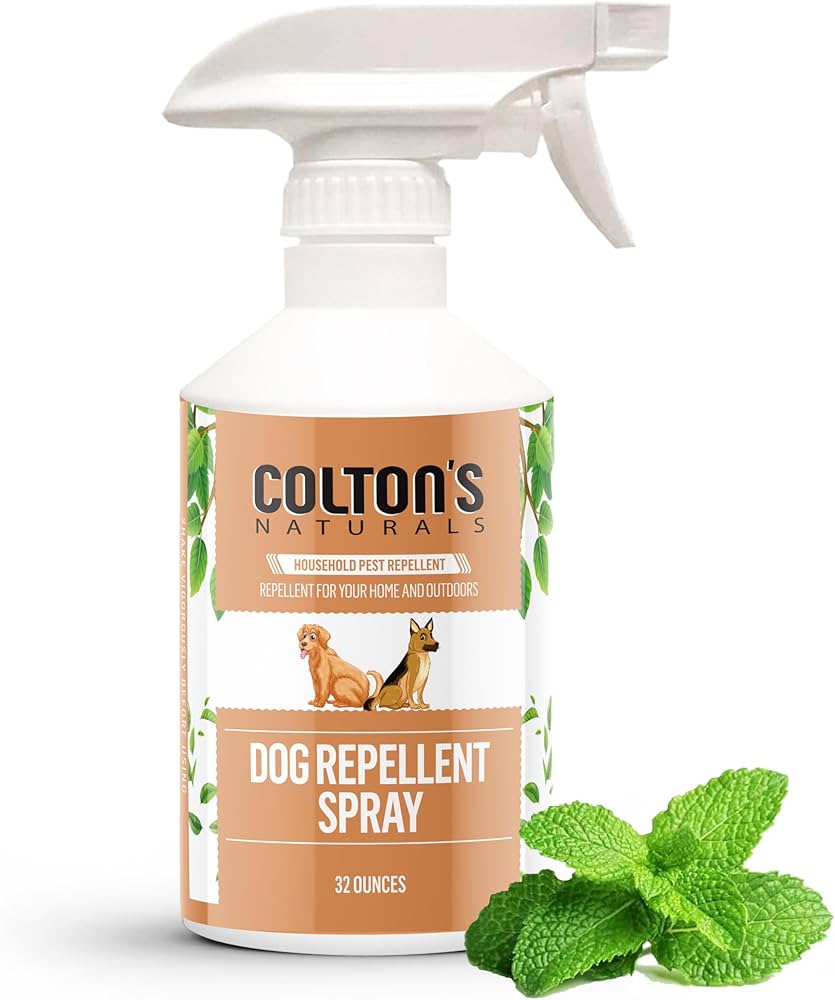
As we strive to reduce our environmental footprint, choosing natural repellents is the best option. Not only do they have a lower impact on the environment, but they also help us avoid using toxic substances that can harm ourselves and others.
Why Choose Natural Repellents?
There are instances where we need to keep unwanted animals or insects away from our homes, gardens, or even our pets. A natural repellent can help deter them without eliminating them entirely. Let’s explore some homemade remedies passed down through generations that have proven effective in keeping pests at bay.
Repellents for Dogs
Dogs sometimes leave their mark on areas we’d rather keep clean and odor-free. To address this issue, we can use a natural repellent specifically designed for dogs. One simple mixture is equal parts acetic acid and baking soda, which can be applied to floors and surfaces that need protection. Additionally, strong-smelling foods like pepper, garlic, and onions can help deter dogs from marking specific areas.
When it comes to eliminating dog urine odors, using water with lemon juice is a recommended solution. However, avoid using bleach or other harsh chemicals that can harm both humans and pets.
Another effective natural repellent for dogs is the use of citrus fruits like lemons, oranges, and grapefruits. These fruits can be used to create a mixture that deters dogs from entering certain areas.
Repellents for Cats
An effective natural repellent for cats can be created by mixing rosemary, lavender, and cinnamon in water and spraying it around areas where we don’t want our feline friends to enter. While these herbs may not be appealing to humans, they repel cats. When it comes to citrus fruits like lemons, their peels can also be used as a repellent for cats.
In the kitchen, we can use coffee grounds or powdered cinnamon in powder form to keep cats away from our homes. Cats are known to dislike strong-smelling foods and spices, making them an effective deterrent.
Repellents for Ants
When dealing with ants, using lemon juice and eucalyptus oil is a simple yet effective solution. These natural ingredients are non-toxic and repel ants effectively. We can also mix soap and water and spray it directly into the ant trail to block their path.
Another approach is to sprinkle pepper on entry points or use hot peppers like jalapeno or cayenne pepper to deter ants from entering our homes. The heat from these spices is enough to keep ants away without harming them.
Repellents for Mosquitoes
During the summer months, we often seek natural repellents against mosquitoes. One effective method is using eucalyptus oil and lemon juice, applied directly to the skin. Citronella and geranium are also great options for keeping mosquitoes away when placed around outdoor areas like balconies or patios.
Another natural repellent for mosquitoes is lavender oil. When combined with other essential oils, lavender can create a potent mixture that repels these pests effectively.
Repellents for Flies
If you’re dealing with a fly infestation in your home or garden, using garlic can help deter them. Crushed garlic can be sprinkled on surfaces where flies tend to gather, and the strong smell will keep them away.
Lavender oil is also an effective repellent against flies, which can be used as an after-punture remedy for alleviating itching. The calming properties of lavender make it a great option for people who experience itchiness from fly bites.
Repellents for Wasps
If you’re being attacked by wasps in your garden or home, a homemade solution of beer and sugar can help deter them. Another method involves mixing equal parts water and sugar, with a tablespoon of red wine vinegar added to the mixture.
To make this repellent more effective, add some essential oils like peppermint or lemongrass to the mixture. The strong scent will repel wasps and keep them away from your home or garden.
Conclusion
While these natural repellents may not be as potent as commercial products, they offer a safe and effective alternative for keeping unwanted animals and insects at bay. By incorporating these homemade remedies into our daily lives, we can reduce our reliance on harsh chemicals and create a healthier environment for both humans and pets.
Frequently Asked Questions
- Q: Are natural repellents just as effective as commercial products?
A: While not all natural repellents are created equal, many can be just as effective as commercial products when used correctly. - Q: Can I use these natural repellents on my pet’s skin or fur?
A: Before using any natural repellent on your pet, ensure you follow proper application instructions and test for any adverse reactions. - Q: Are there any specific types of herbs that repel pests better than others?
A: Certain herbs like mint, basil, and rosemary are known to repel various pests, while others may be more effective against specific types of insects or animals. - Q: How often should I reapply natural repellents to ensure their effectiveness?
A: The frequency of reapplication depends on the type of repellent used, as well as environmental conditions like temperature and humidity. -
Q: Are natural repellents suitable for use in areas with high pest activity?
A: In areas with severe pest infestations, it’s recommended to combine multiple natural repellents or seek professional advice before attempting to control pests using homemade remedies. -
Q: Can I use natural repellents indoors, especially around food and pets?
A: Always follow proper application instructions when using natural repellents indoors, taking care not to contaminate food sources or surfaces. -
Q: Are there any specific types of plants that repel pests naturally?
A: Certain plants like citronella, lemongrass, and lavender are known for their natural pest-repelling properties. -
Q: Can I use natural repellents on plants to prevent pests from feeding on them?
A: Yes, using certain herbs or essential oils around plants can help deter pests naturally, but be cautious not to overuse these methods as they can have unintended effects on plant health.
By embracing the benefits of natural repellents and understanding their uses, we can create a more harmonious coexistence between humans, pets, and animals in our homes and gardens.


