
As we age, our bodies undergo significant changes. One of the most significant events is the onset of menopause. However, some women experience premature menopause, also known as early or induced menopause, which can be a confusing and distressing condition.
In this article, we will delve into the causes, symptoms, and treatment options for premature menopause, as well as explore its impact on mental health and overall well-being.
What is Premature Menopause?
Premature menopause occurs when the ovaries stop functioning before the age of 40. This can be caused by a combination of genetic, autoimmune, iatrogenic, viral, or metabolic factors. Unlike natural menopause, which typically occurs between the ages of 45 and 55, premature menopause can occur much earlier.
Causes of Premature Menopause
While the exact causes of premature menopause are not fully understood, research has identified several potential triggers:
- Genetic predisposition: Some women may have a family history of premature menopause.
- Autoimmune disorders: Conditions such as thyroiditis or Hashimoto’s disease can trigger premature menopause.
- Iatrogenic factors: Certain medications, chemotherapy, and radiation therapy can cause the ovaries to stop functioning prematurely.
- Viral infections: Certain viral infections, such as mumps, can damage the ovaries and lead to premature menopause.
- Metabolic disorders: Conditions such as polycystic ovary syndrome (PCOS) or insulin resistance can increase the risk of premature menopause.
Symptoms of Premature Menopause
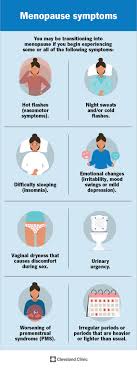
The symptoms of premature menopause are similar to those experienced during natural menopause. These may include:
- Hot flashes
- Sleep disturbances
- Decreased libido
- Mood changes, such as anxiety and depression
- Vaginal dryness
While these symptoms can be uncomfortable, it’s essential to remember that premature menopause is a medical condition, not just a personal failing.
Treatment Options for Premature Menopause
Fortunately, there are treatment options available for premature menopause. These may include:
- Hormone replacement therapy (HRT): HRT with estrogen and progesterone can help alleviate symptoms such as hot flashes and vaginal dryness.
- Alternative therapies: Acupuncture, herbal supplements, and yoga may also be effective in managing symptoms.
Before starting any treatment, it’s essential to consult with a healthcare provider to discuss the potential risks and benefits. They will assess your overall health and provide guidance on the best course of action.
Lifestyle Changes for Premature Menopause
In addition to medical treatment, making lifestyle changes can help alleviate symptoms and reduce the risk of associated health problems. These may include:
- Quit smoking: Smoking cessation can reduce the risk of heart disease and other cardiovascular conditions.
- Reduce stress through meditation or yoga: Stress-reducing techniques can help alleviate mood changes and anxiety.
- Engage in regular exercise: Regular physical activity can improve overall health and well-being.
- Maintain a balanced diet: Eating a healthy, balanced diet can reduce the risk of osteoporosis and other metabolic disorders.
By taking control of our health and well-being, we can manage the symptoms of premature menopause and improve our overall quality of life.
Frequently Asked Questions
Q: What is the difference between premature menopause and natural menopause?
A: Premature menopause occurs before the age of 40, while natural menopause typically occurs between the ages of 45 and 55.
Q: Can I still have children if I experience premature menopause?
A: While it’s possible to conceive during premature menopause, the chances of success are lower than with natural menopause. Alternative options, such as in vitro fertilization (IVF), may be available.
Q: What are some common health problems associated with premature menopause?
A: Premature menopause has been linked to an increased risk of osteoporosis, cardiovascular disease, and autoimmune disorders.
Q: How can I manage my symptoms and improve my overall well-being during premature menopause?
A: By making lifestyle changes, such as quitting smoking, reducing stress, and engaging in regular exercise, you can alleviate symptoms and reduce the risk of associated health problems. Additionally, discussing your treatment options with a healthcare provider is essential.
Q: Is there any hope for reversing premature menopause?
A: While some women may experience a natural recovery of their ovaries, others may not. In these cases, hormone replacement therapy (HRT) or alternative therapies may be necessary to manage symptoms and improve quality of life.
Q: Can I still have sex during premature menopause?
A: Yes, but it’s essential to discuss any concerns with your healthcare provider. Hormone replacement therapy (HRT) can help alleviate vaginal dryness and other related issues.
Q: How do I know if I’m experiencing premature menopause?
A: If you’re experiencing symptoms such as hot flashes, sleep disturbances, or decreased libido before the age of 40, it’s essential to consult with a healthcare provider. They will assess your overall health and provide guidance on treatment options.
In conclusion, premature menopause is a complex condition that requires careful management and attention. By understanding its causes, symptoms, and treatment options, women can take control of their health and well-being during this life transition.


